Partners in Focus
UGC content creators
Travel | Hotel | Wildlife
About us
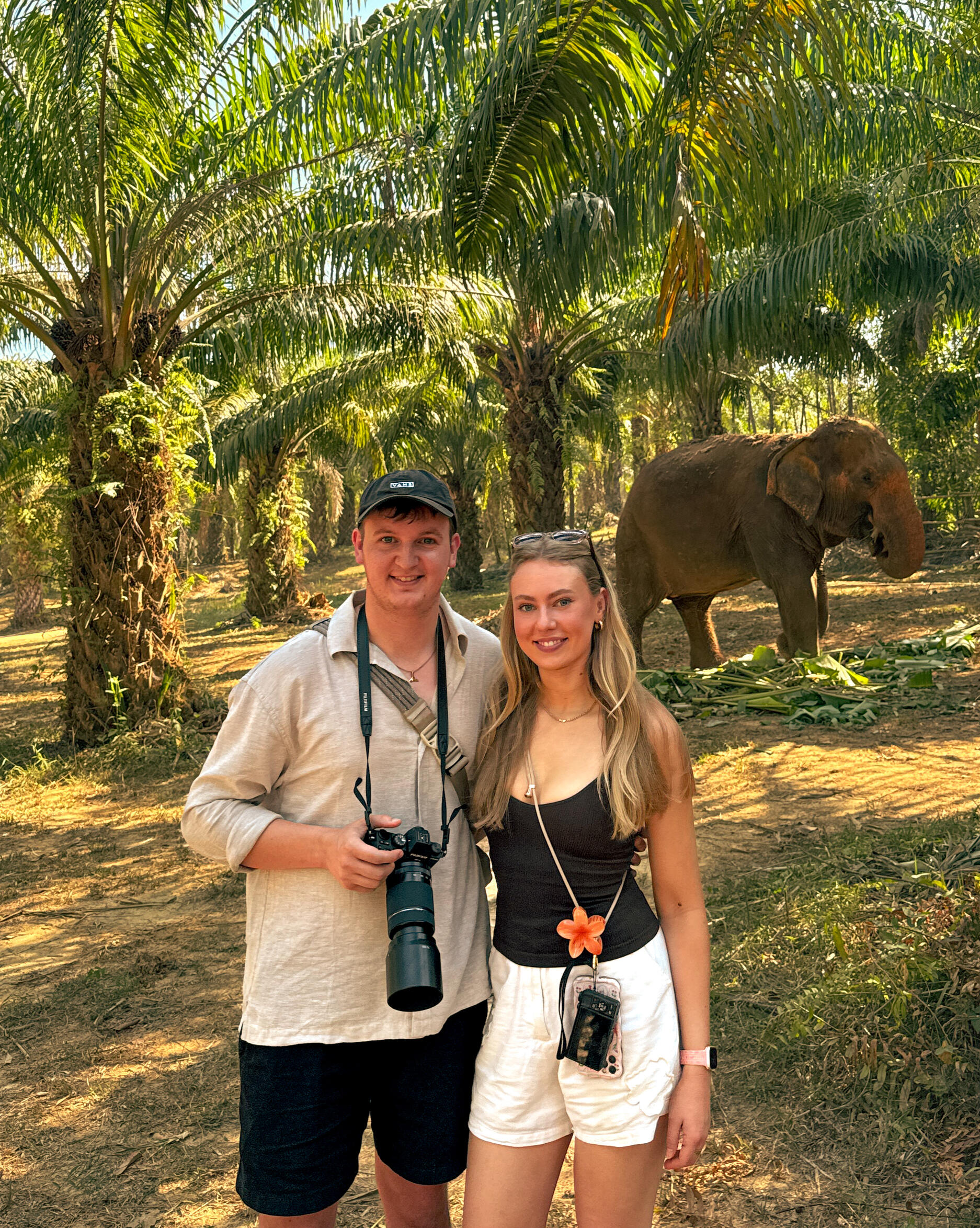
Who are we?We’re Joe & Frankie, a British couple (both 26) who have spent the past five years travelling together across 20+ countries. We share a passion for travel, photography, and wildlife, capturing meaningful moments and unique places along the way.What do we do?We create authentic photo and video content for hotels, stays, and wildlife experiences. Our focus is on natural, story-driven visuals that showcase atmosphere, detail, and connection.How can we help?Partner with us and focus on what you do best, while we capture content that helps your space or experience stand out. We provide high-quality visuals designed for websites, social media, and marketing.
hotels
Visual storytelling for hotels, villas, eco stays, and travel brands across the world.
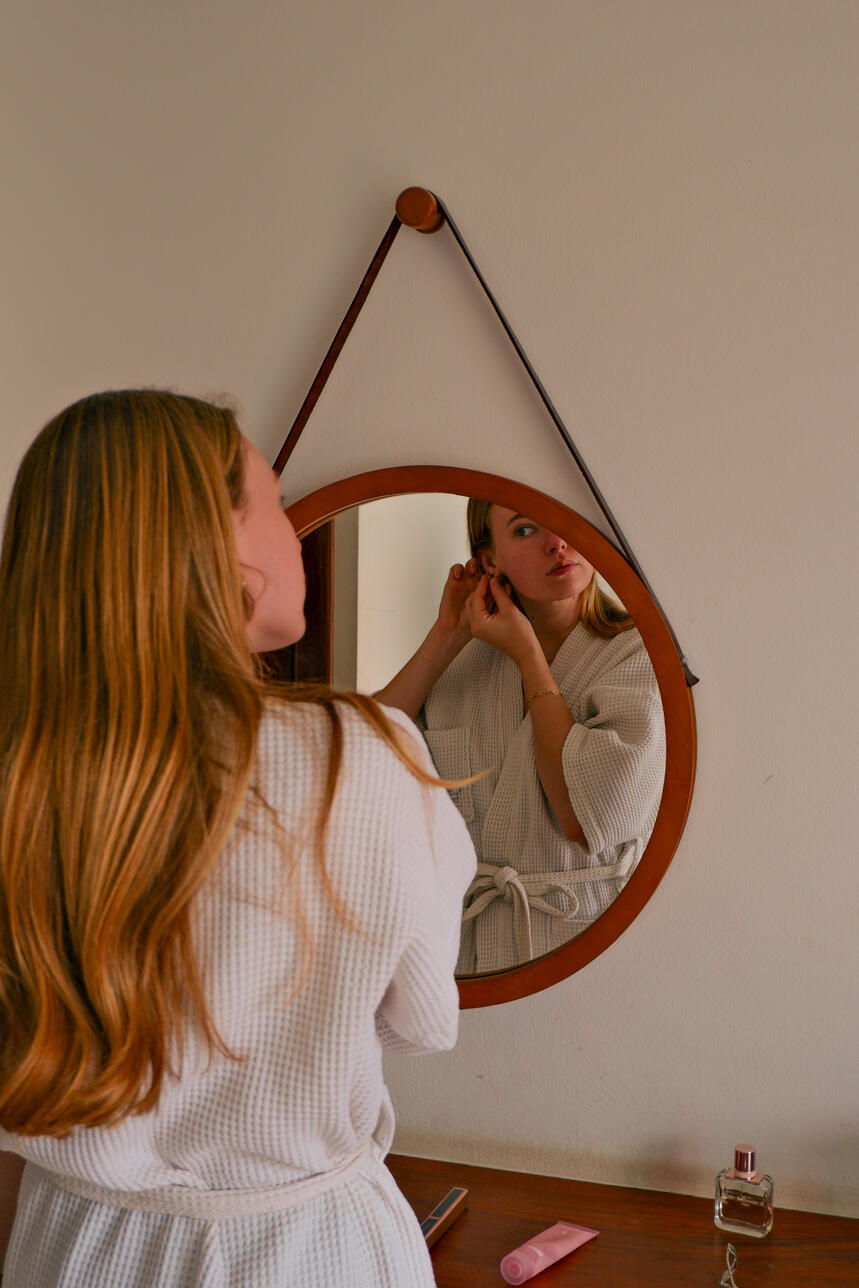
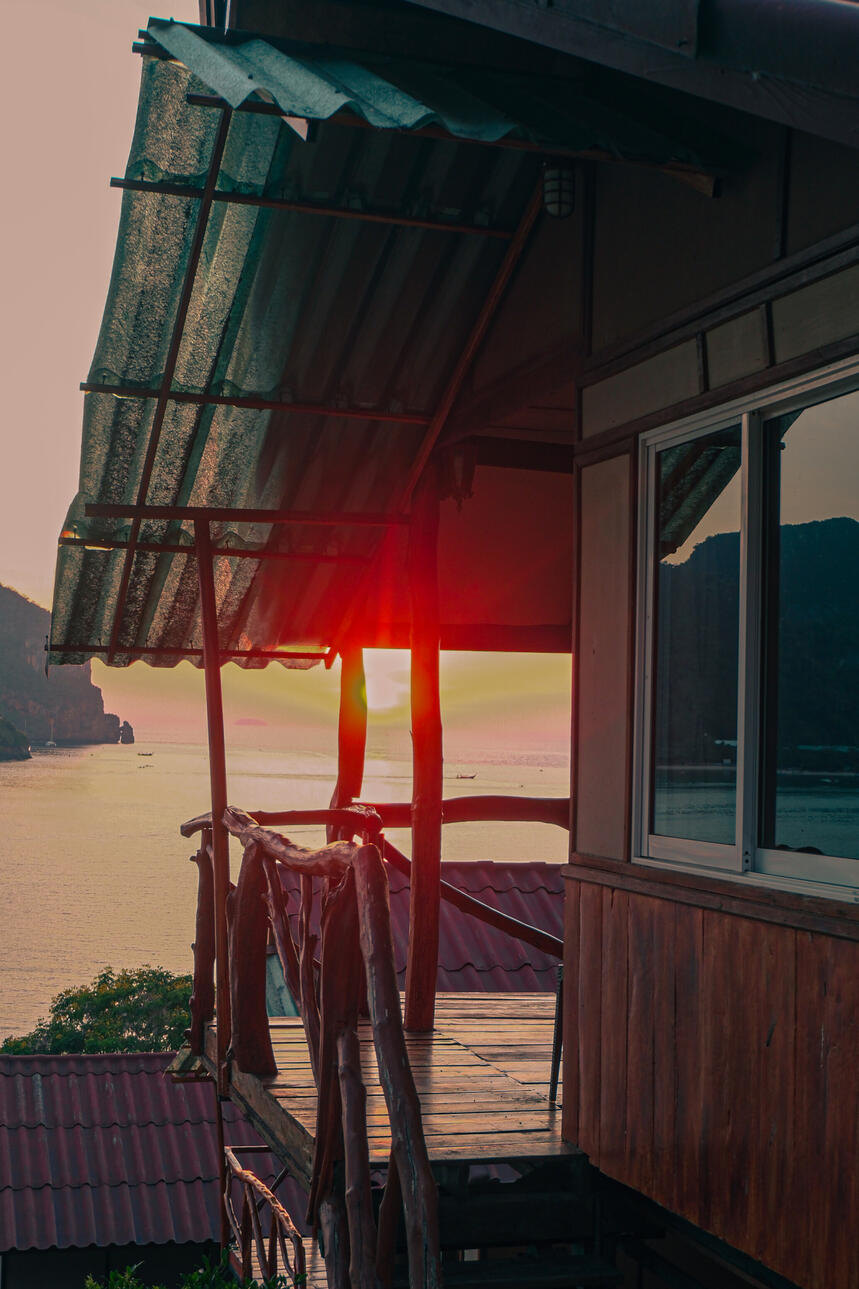
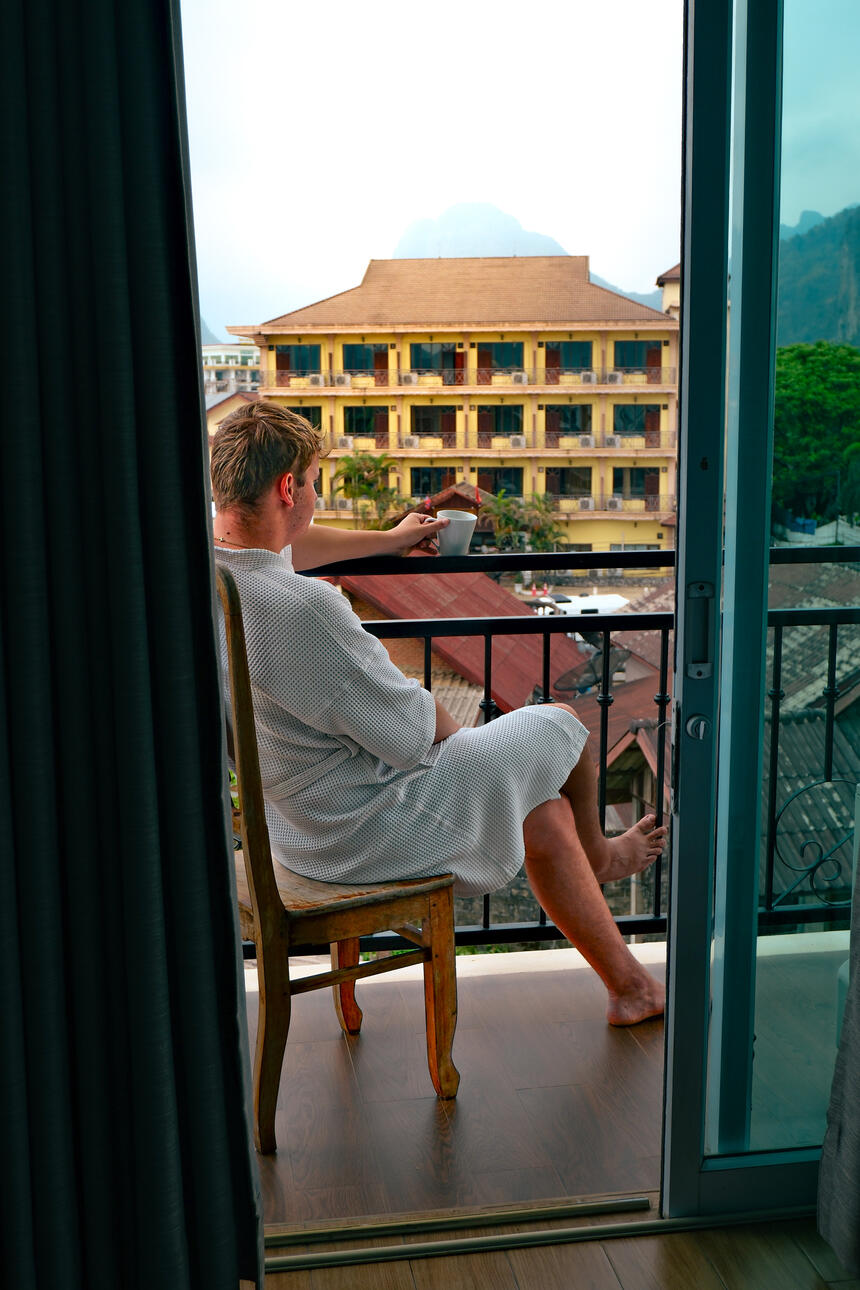
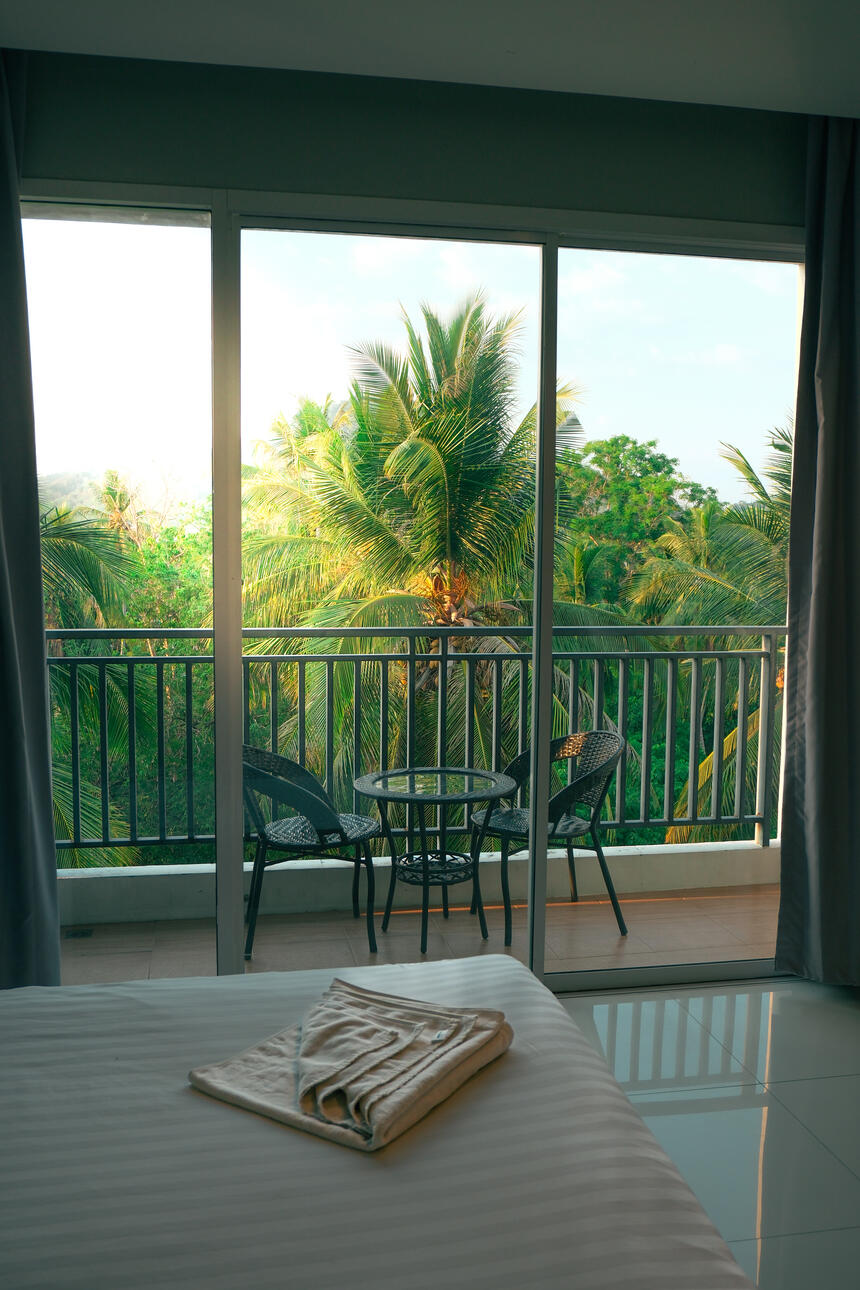

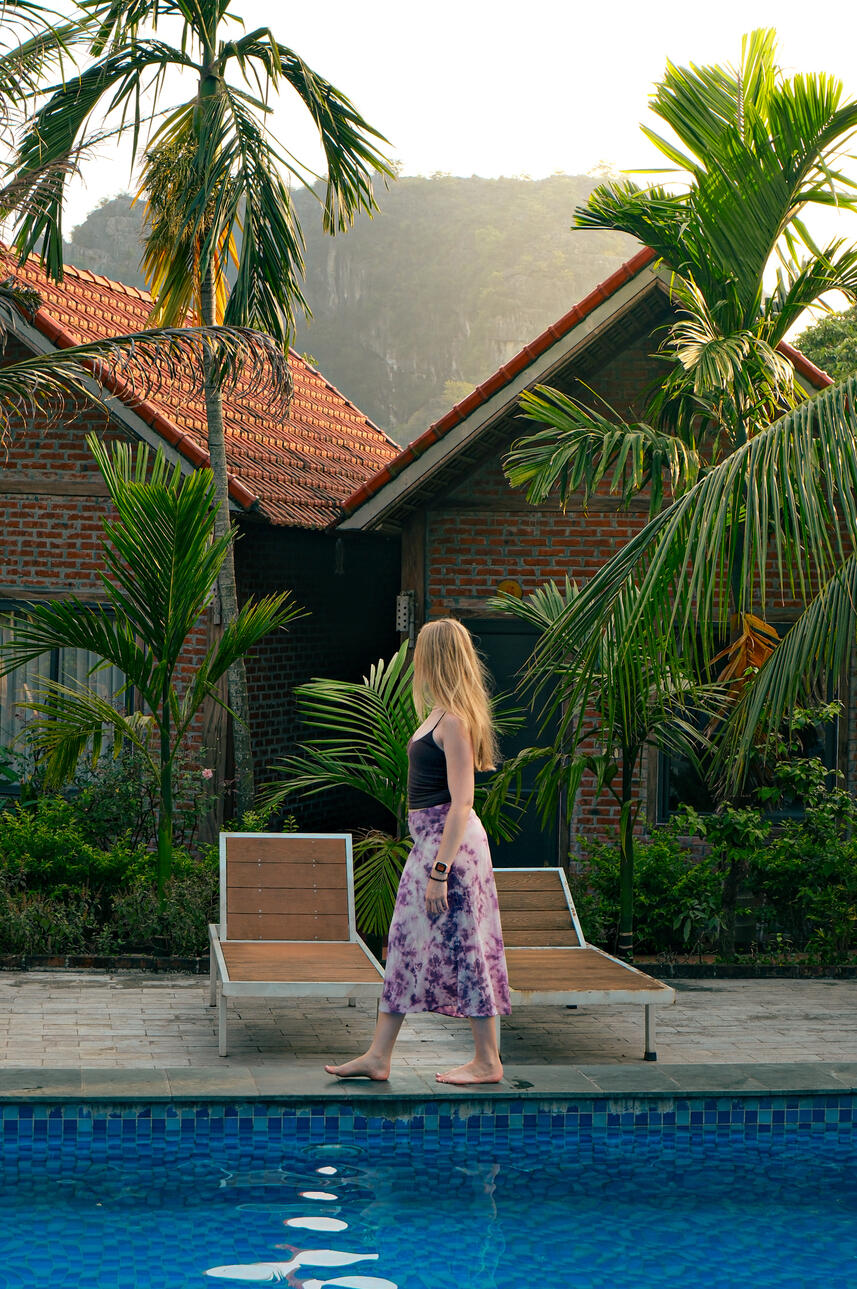
Stays | Airbnbs | Villas
wildlife
Ethical wildlife photography focused on conservation, natural behaviour, and the environments animals call home.
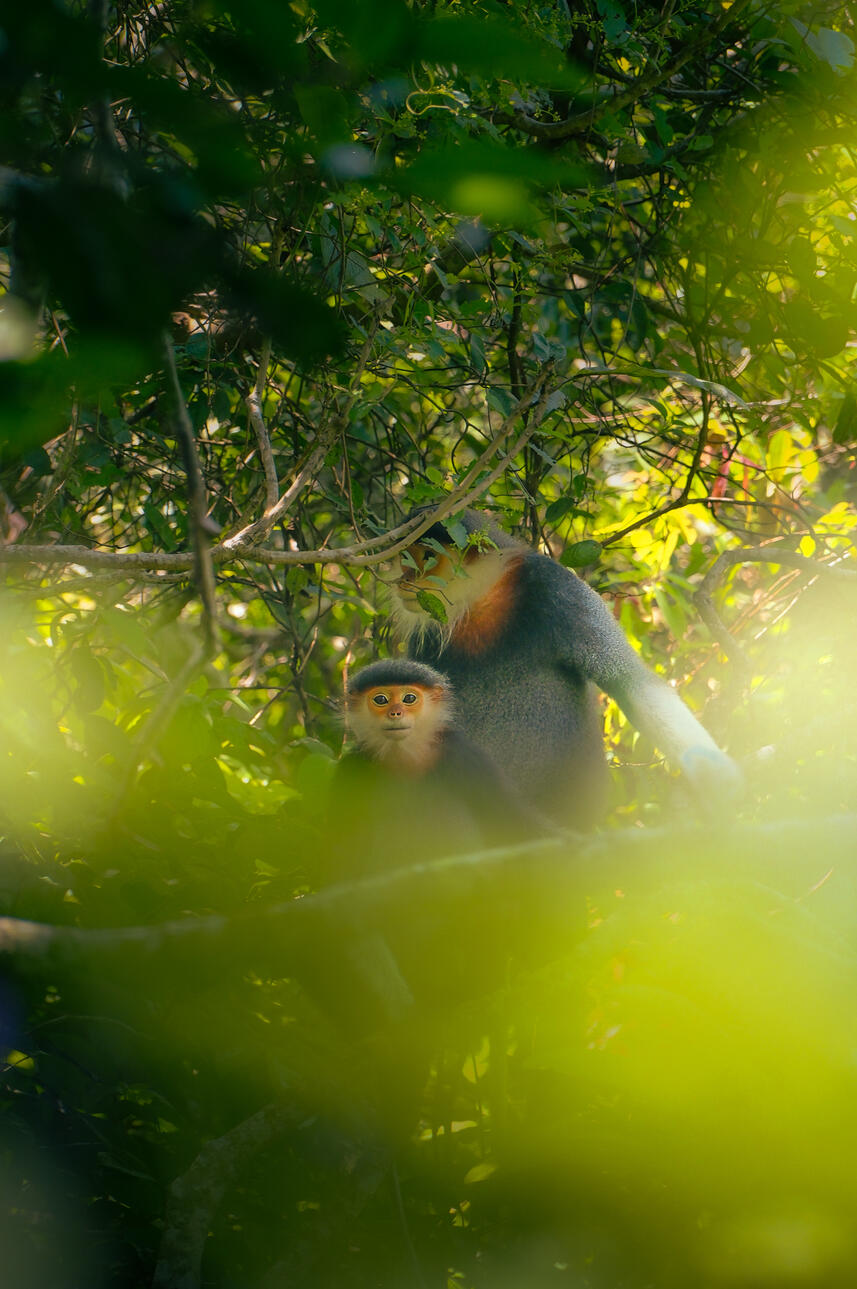
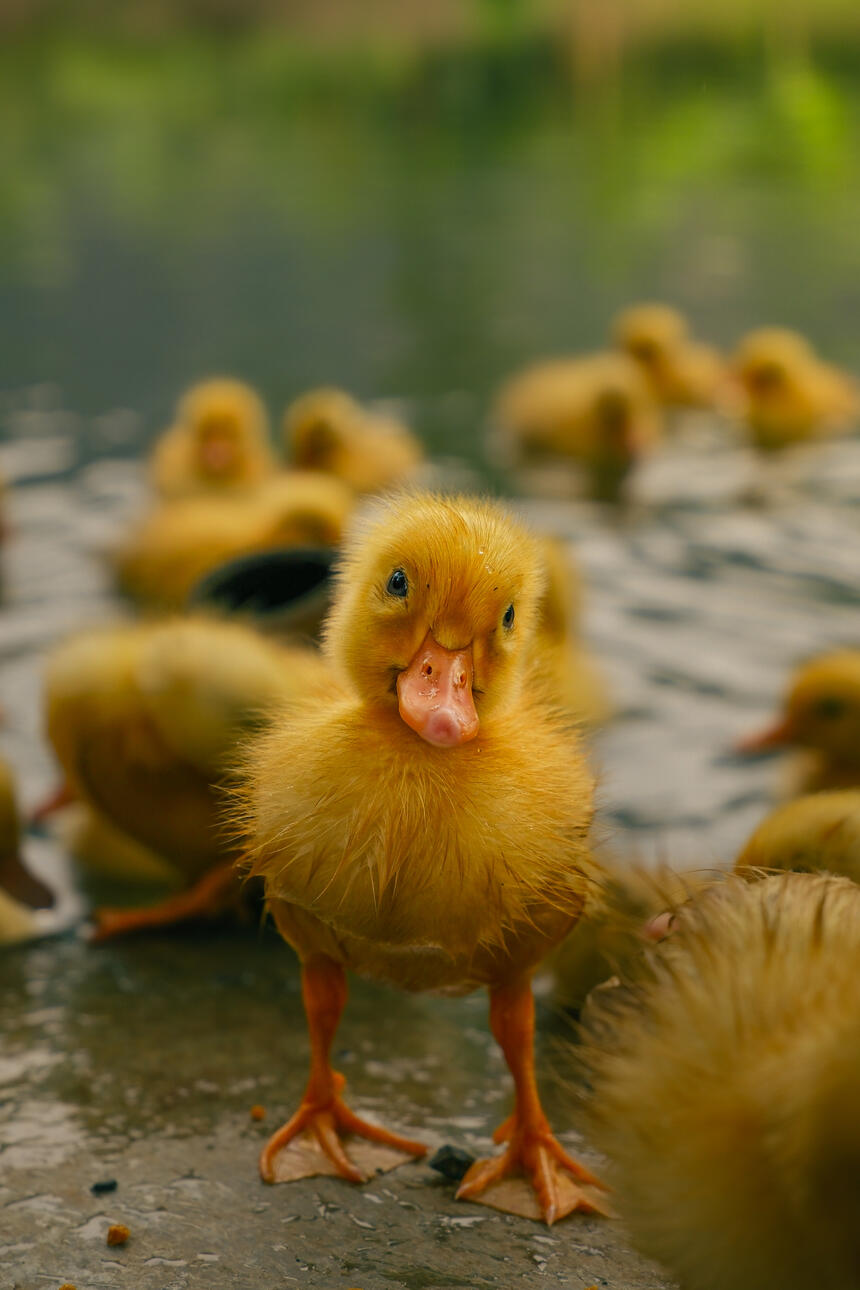
Mammals | Reptiles | Birds
gallery
Moments, landscapes, textures, and travel photography captured throughout our journeys.

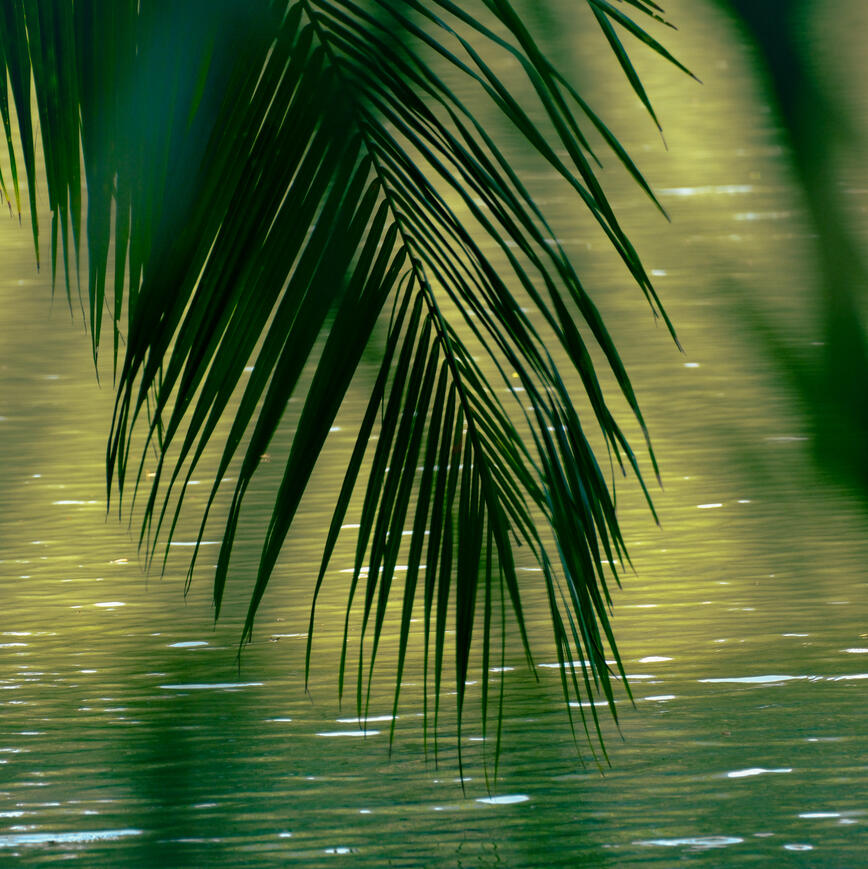
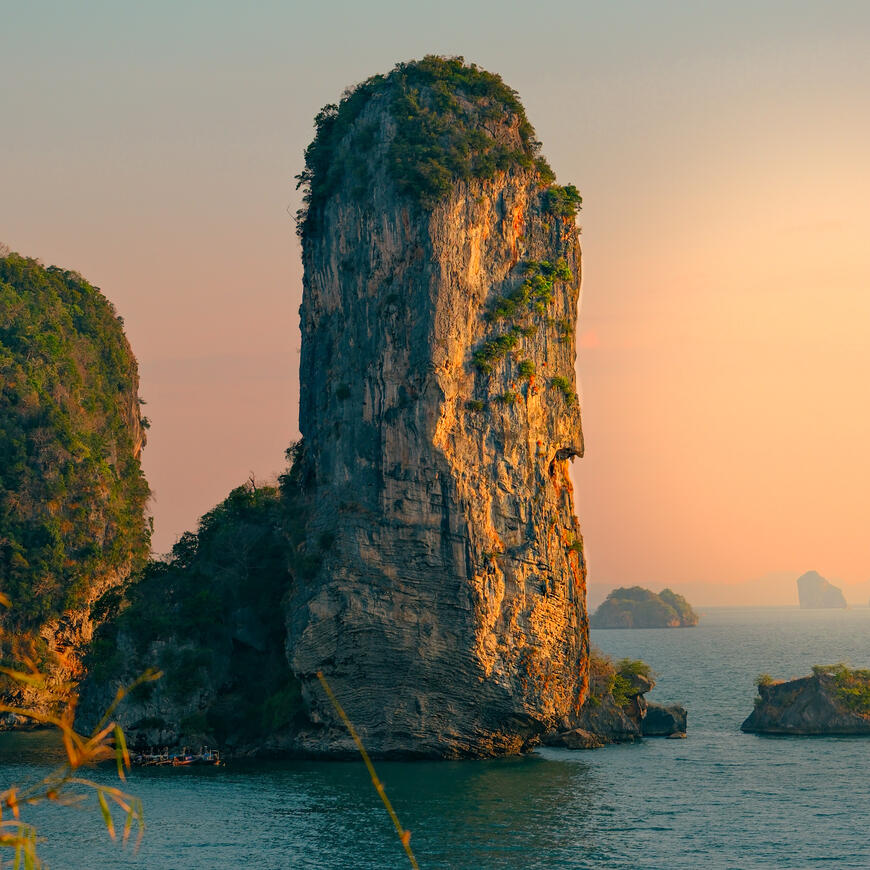
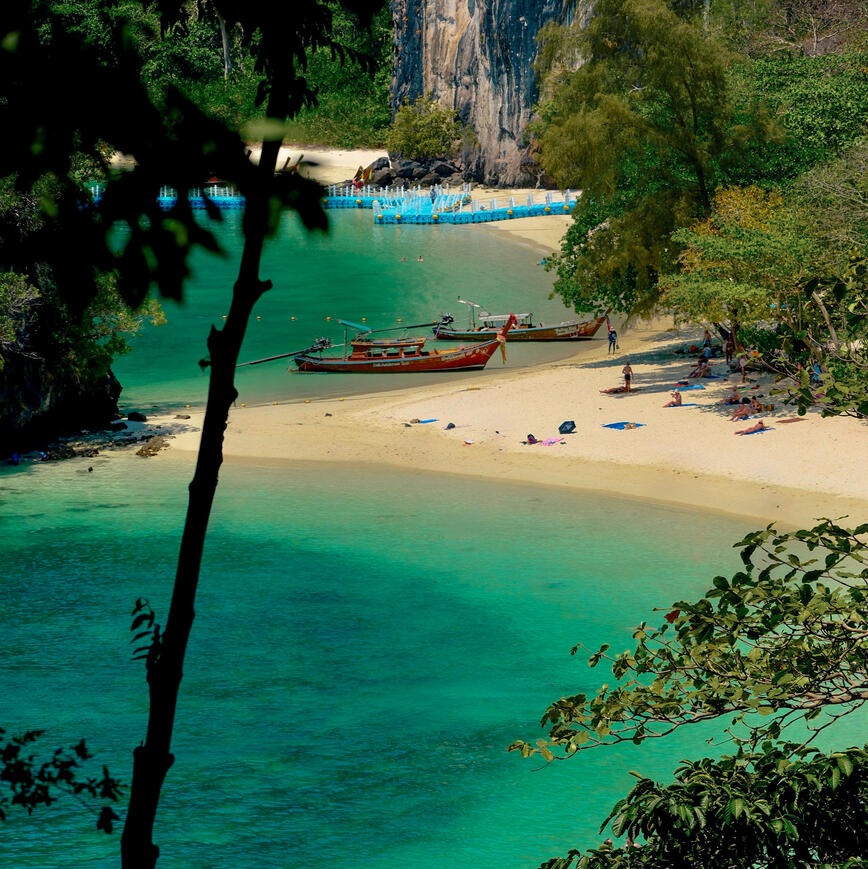

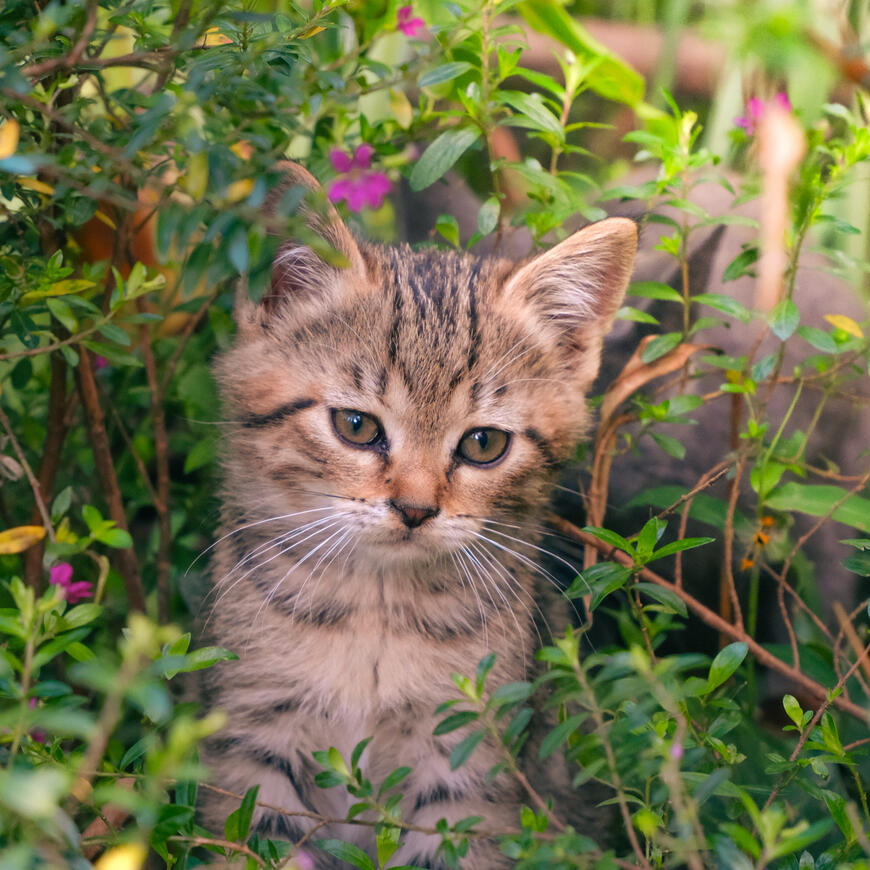
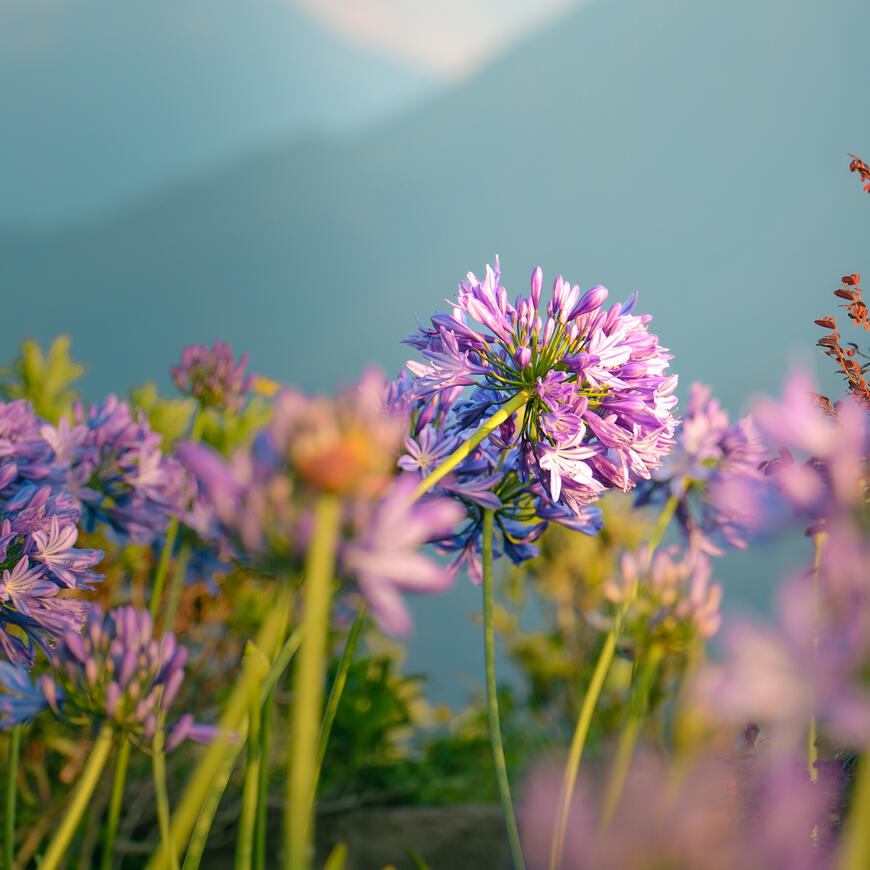
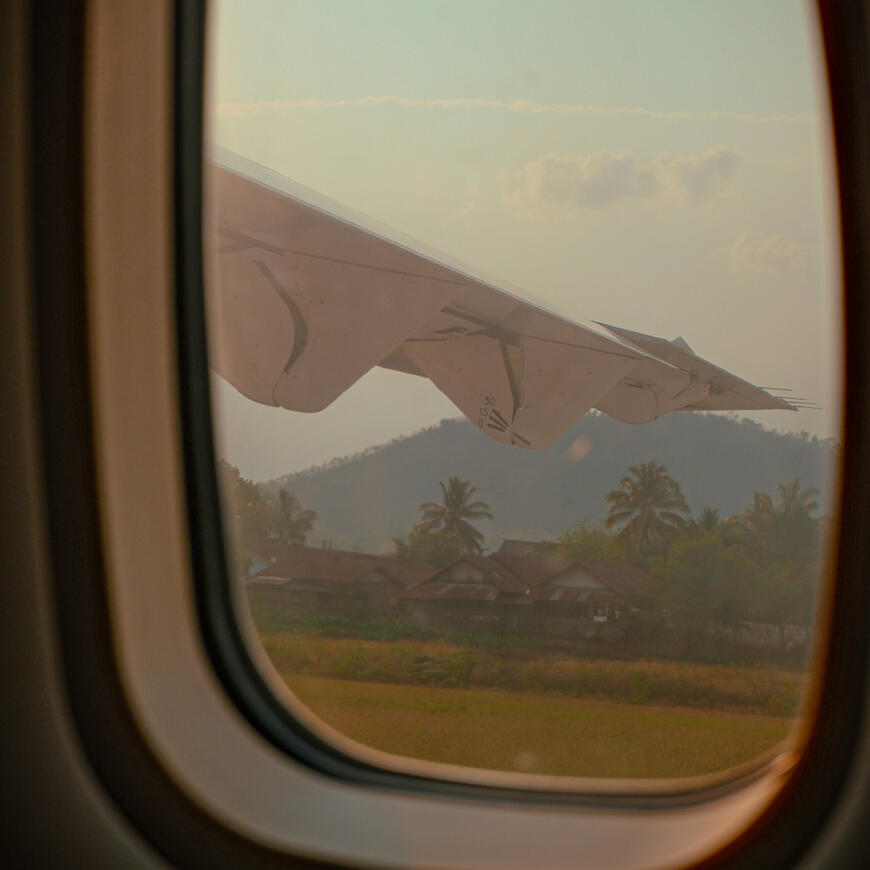
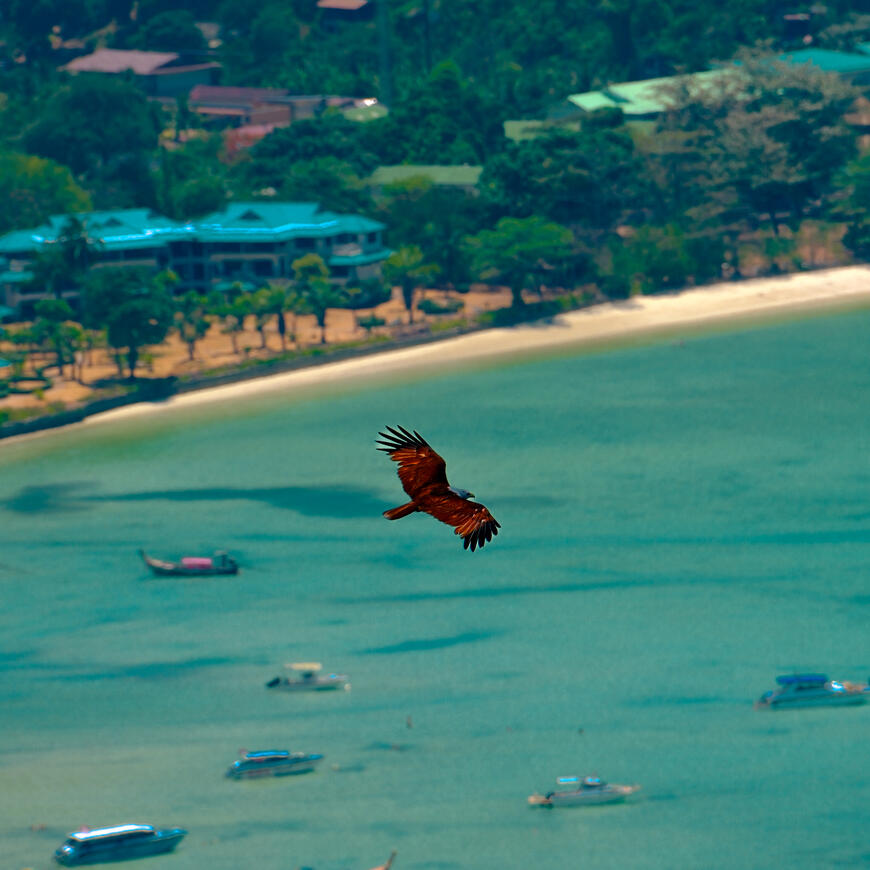
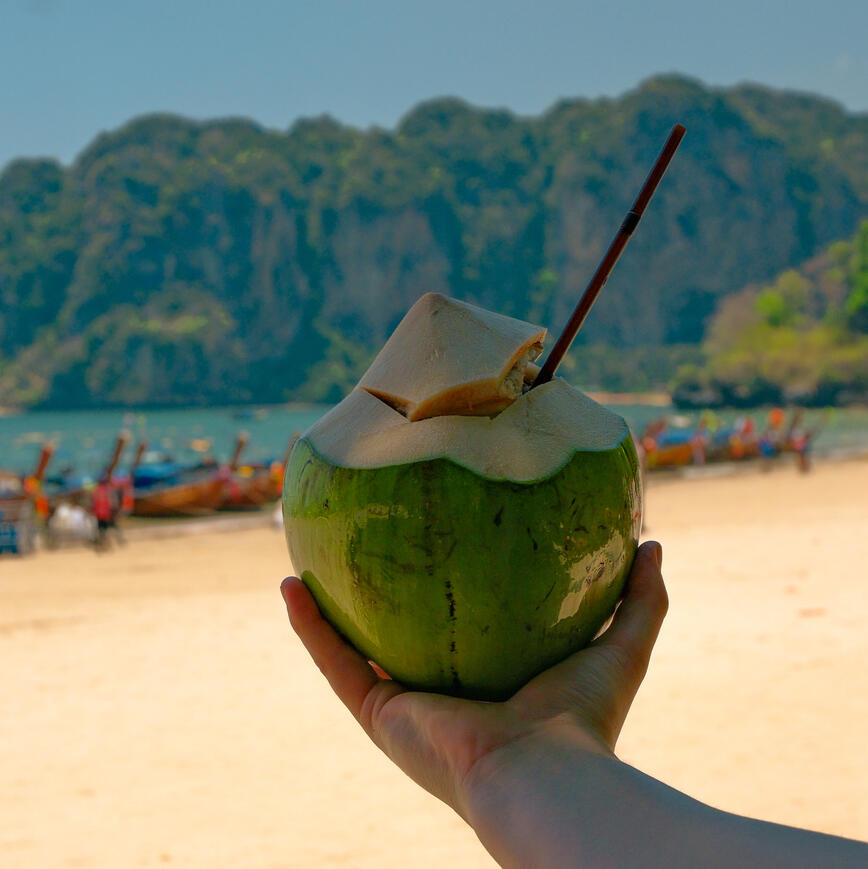
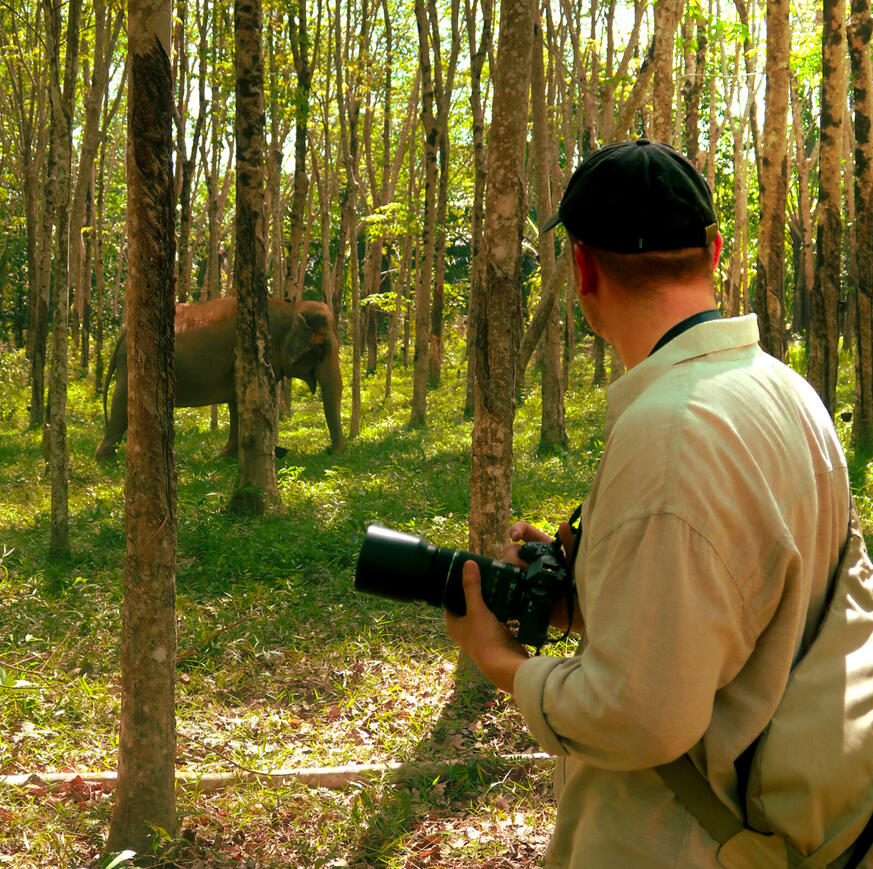

Travel | Nature | Lifestyle
our services
Package Essential
10 Edited Photos
3 Short Vertical Videos
Delivered within 7 Days
Package Growth
20 Edited Photos
5 Short Vertical Videos
1 Edited Reel
Delivered within 7 Days
Package Premium
30+ Edited Photos
10 Short Vertical Videos
2-3 Edited Reels
Delivered within 10 Days
Every collaboration is tailored to the property and project scope. If you’re interested in working together, get in touch below, and we’ll provide a custom quote. Complimentary and discounted collaborations are considered for selected properties and conservation-focused brands.
Contact
Partners in Focus
UGC content creators
Travel | Hotel | Wildlife
Wildlife Index
Shot on the Fujifilm X-S20 with 15-45mm and 70-300mm lenses, our wildlife content captures real moments in the wild and within ethical sanctuaries. We are committed to responsible, non-invasive photography that respects animals, protects habitats, and promotes conscious travel.
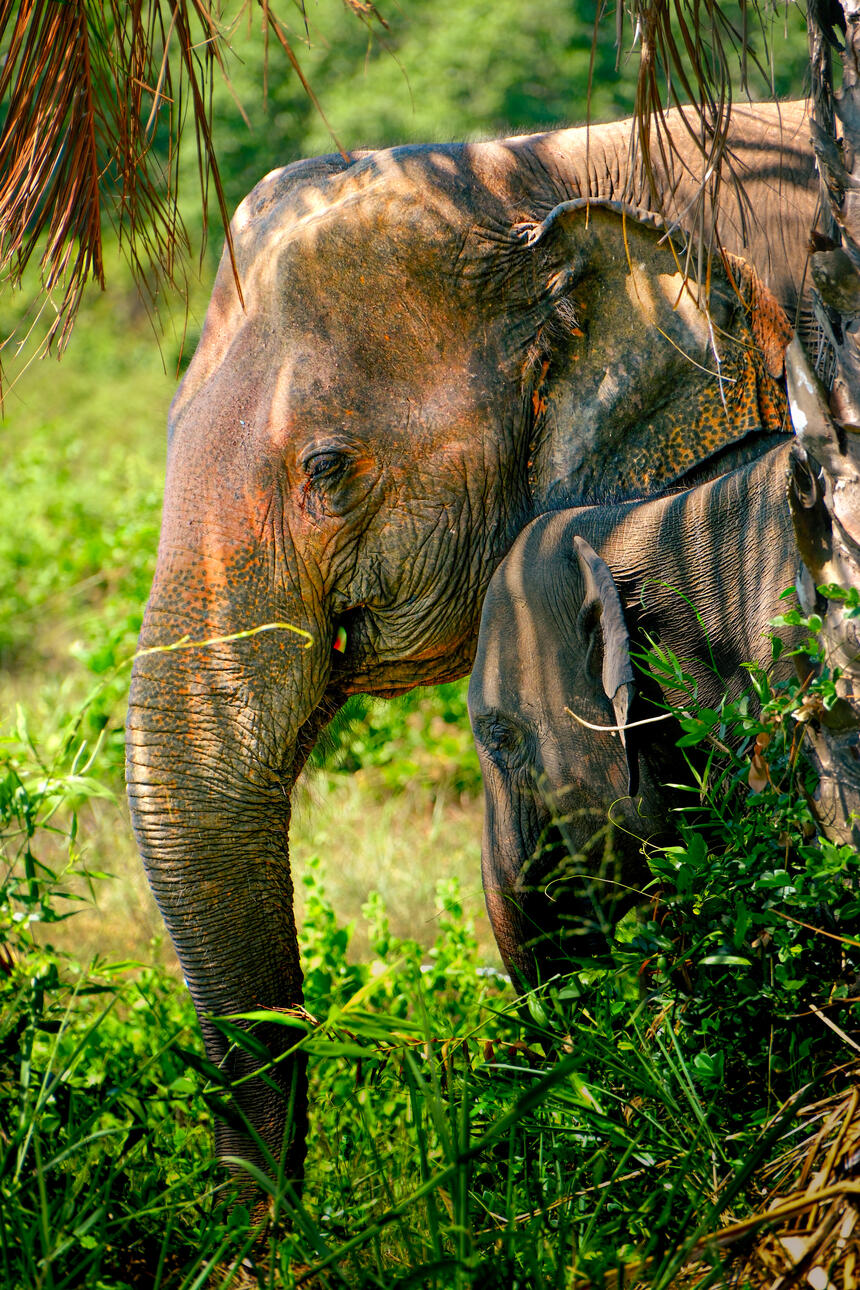
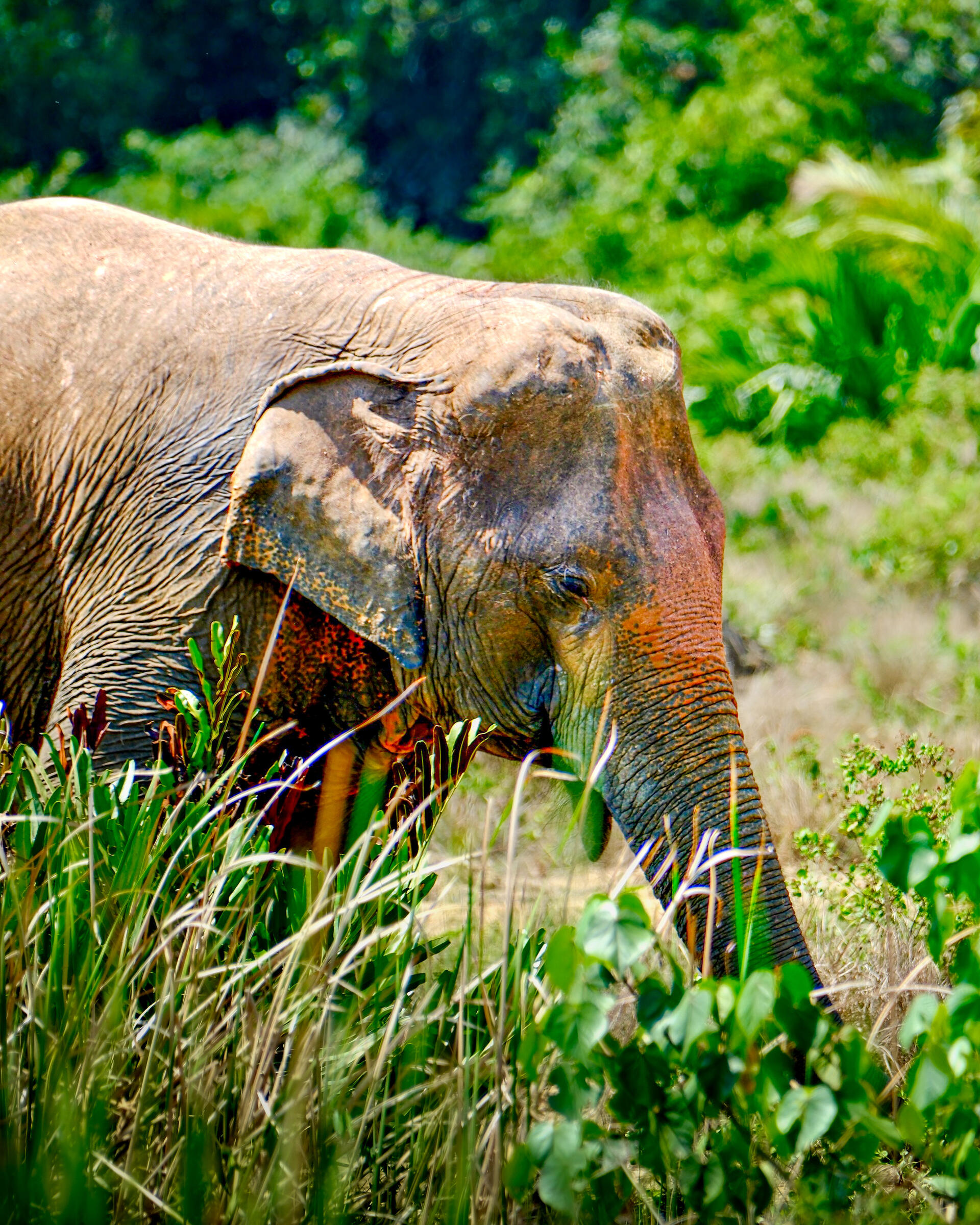
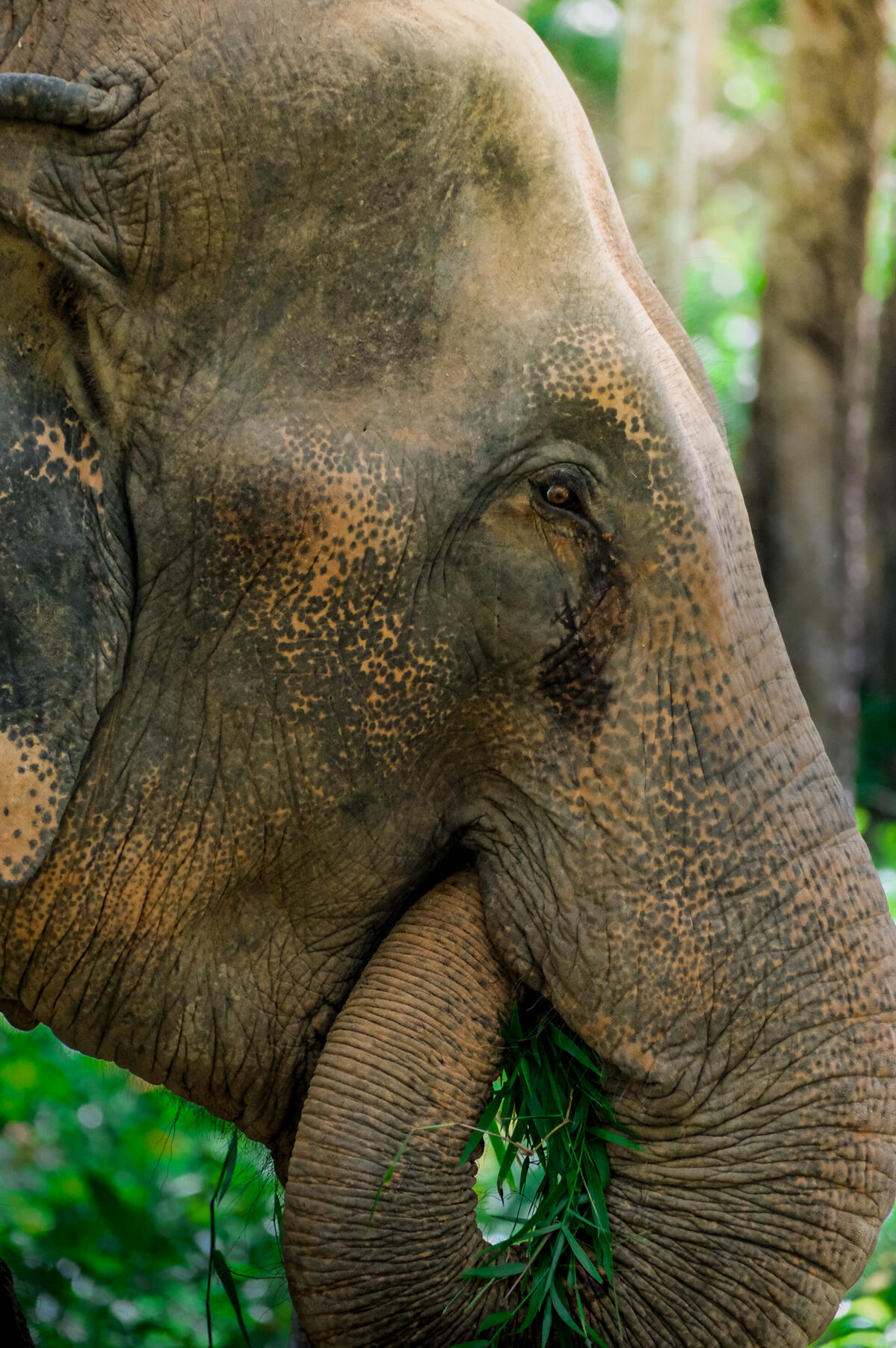
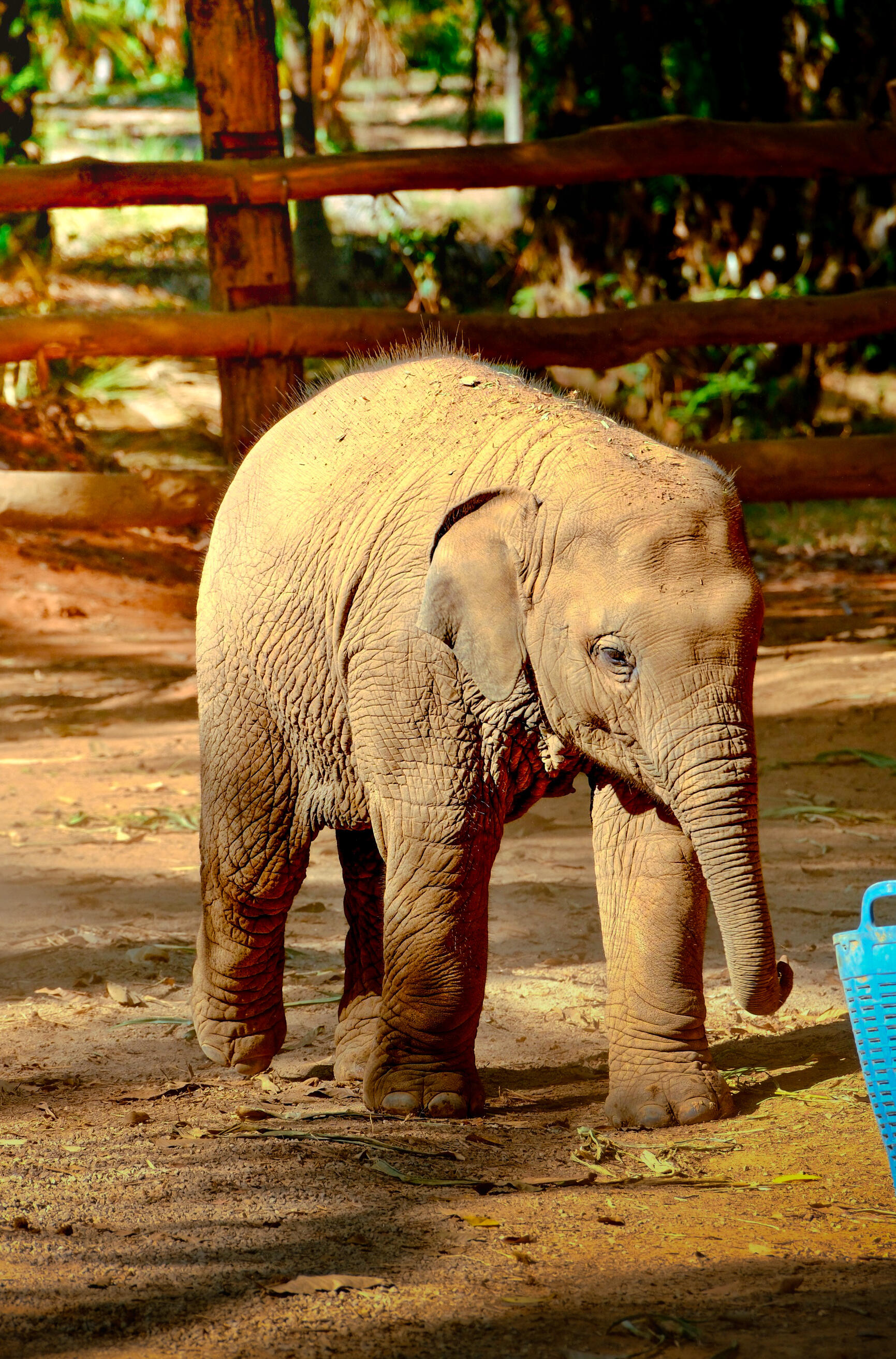
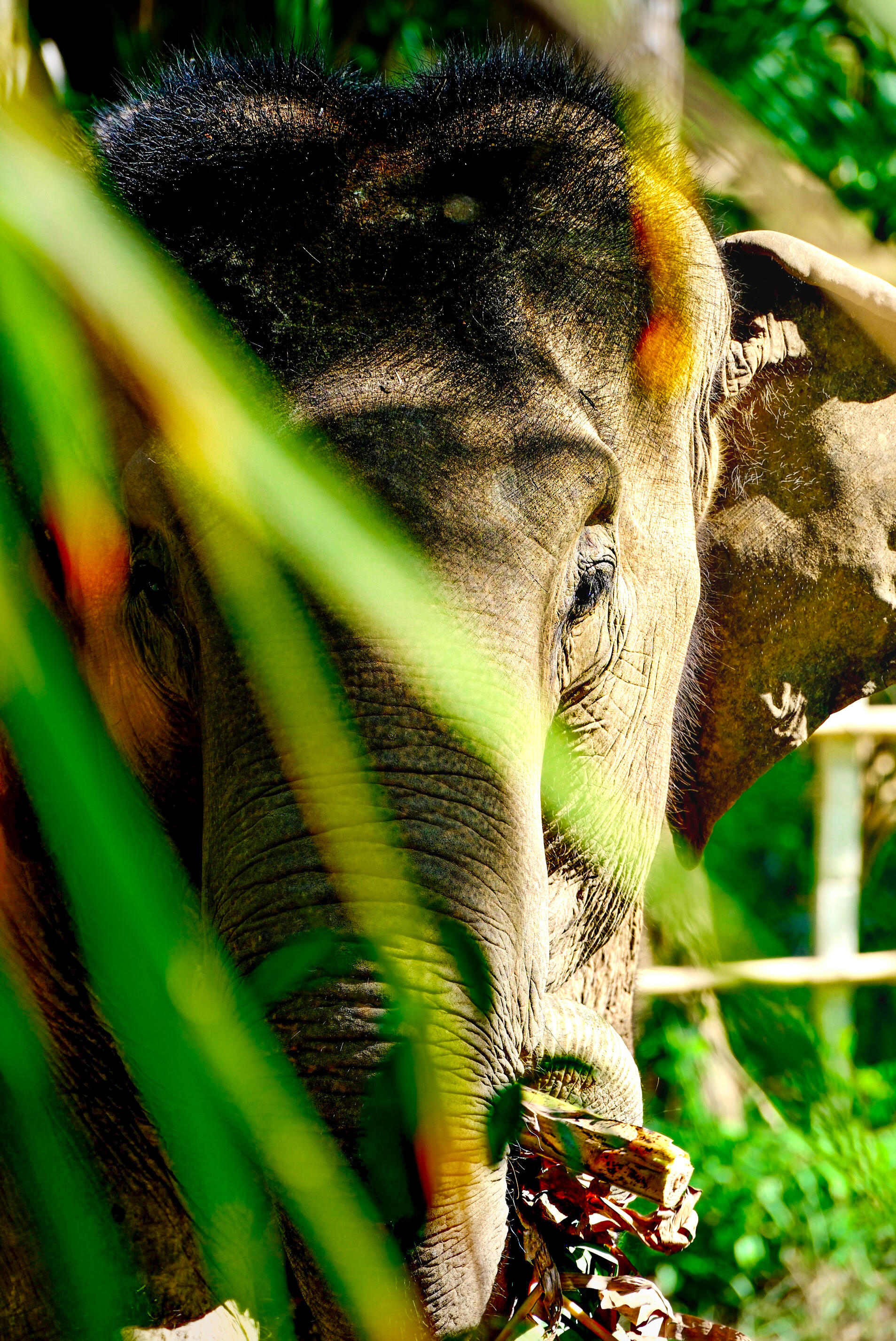
Asian Elephant
Captured in Thailand • Sanctuary
Range:
Thailand, Sri Lanka, India
Conservation Status:
Endangered
Wild Population:
Estimated at 40,000–50,000 individuals remaining in the wild
Captured at:
Krabi, Thailand
Filming Context:
Photographed at Following Giants Elephant Sanctuary, Krabi. In a protected forest environment while the elephants were freely roaming and foraging under the care of an ethical conservation-focused sanctuary
Description:
The Asian Elephant is the largest land mammal in Asia, known for its intelligence, strong social bonds, and importance in local ecosystems. Wild populations are threatened by habitat loss and human-wildlife conflict. These images were captured responsibly from a distance to avoid disturbance to natural behaviour.
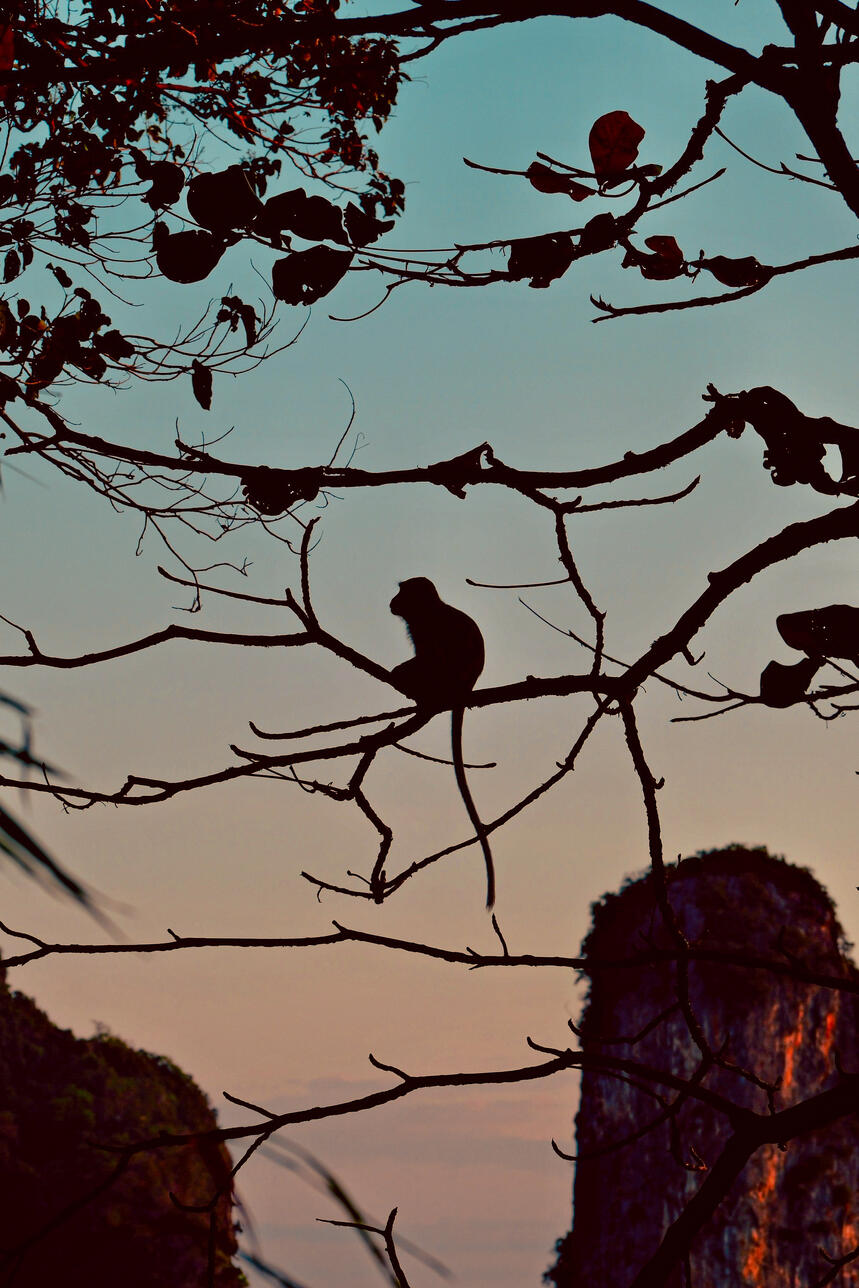
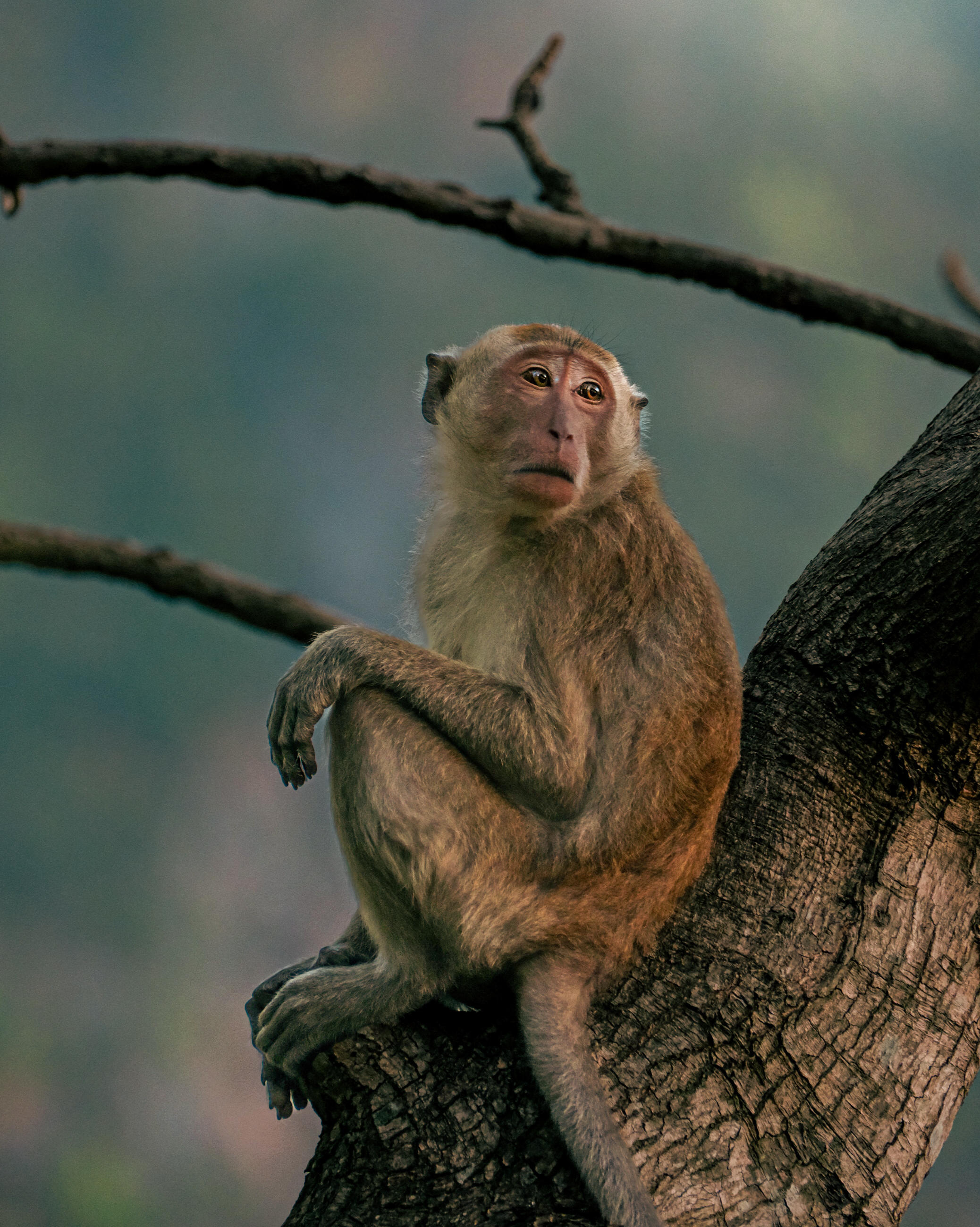
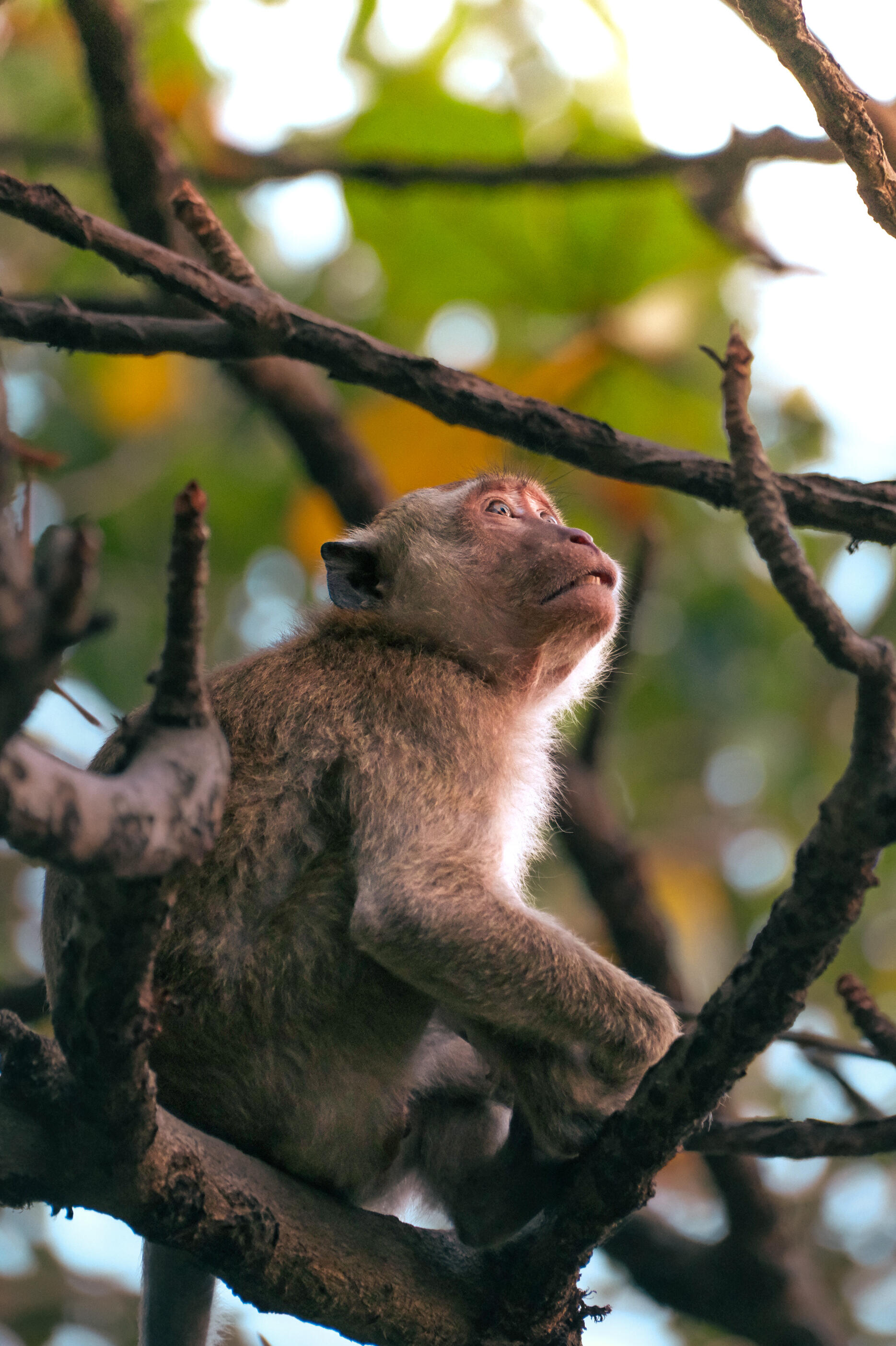
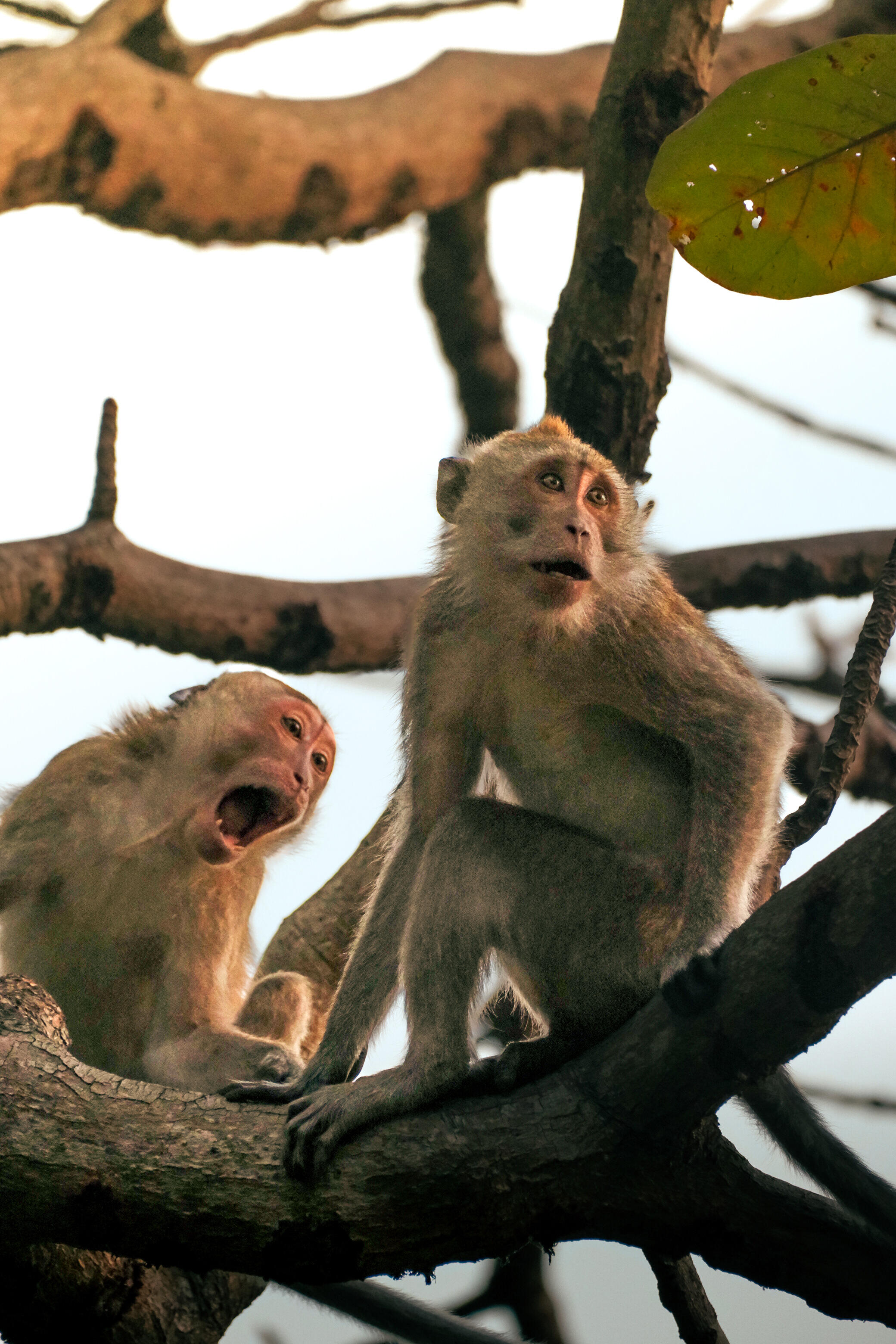
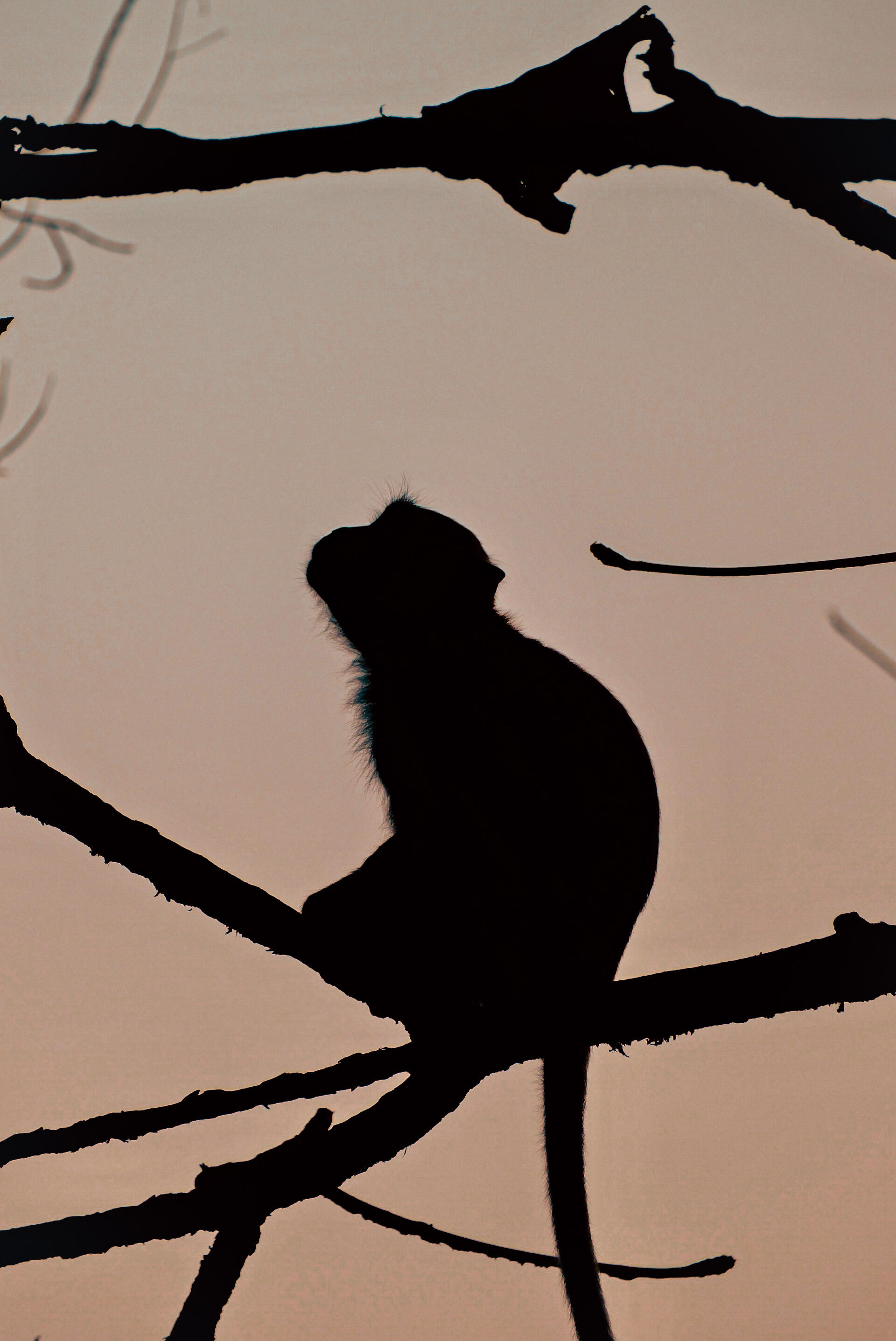
Long-tailed macaque
Captured in Thailand • Wild
Range:
Southeast Asia
Conservation Status:
Endangered
Population:
Approximately 1 million globally, but heavily declining
Captured at:
Krabi, Thailand
Filming Context:
Photographed from a distance on Monkey Trail, in Ao Nang. Where they were observed playing and moving through the trees along the forested coastal path
Description:
The Long-tailed Macaque is an intelligent and highly adaptable primate commonly found in coastal forests and jungle environments. Known for their expressive faces and social group behaviour, they are often seen foraging or moving through the trees. All content was captured from a respectful distance while the macaques were freely roaming in their natural habitat, ensuring no disturbance to their behaviour.
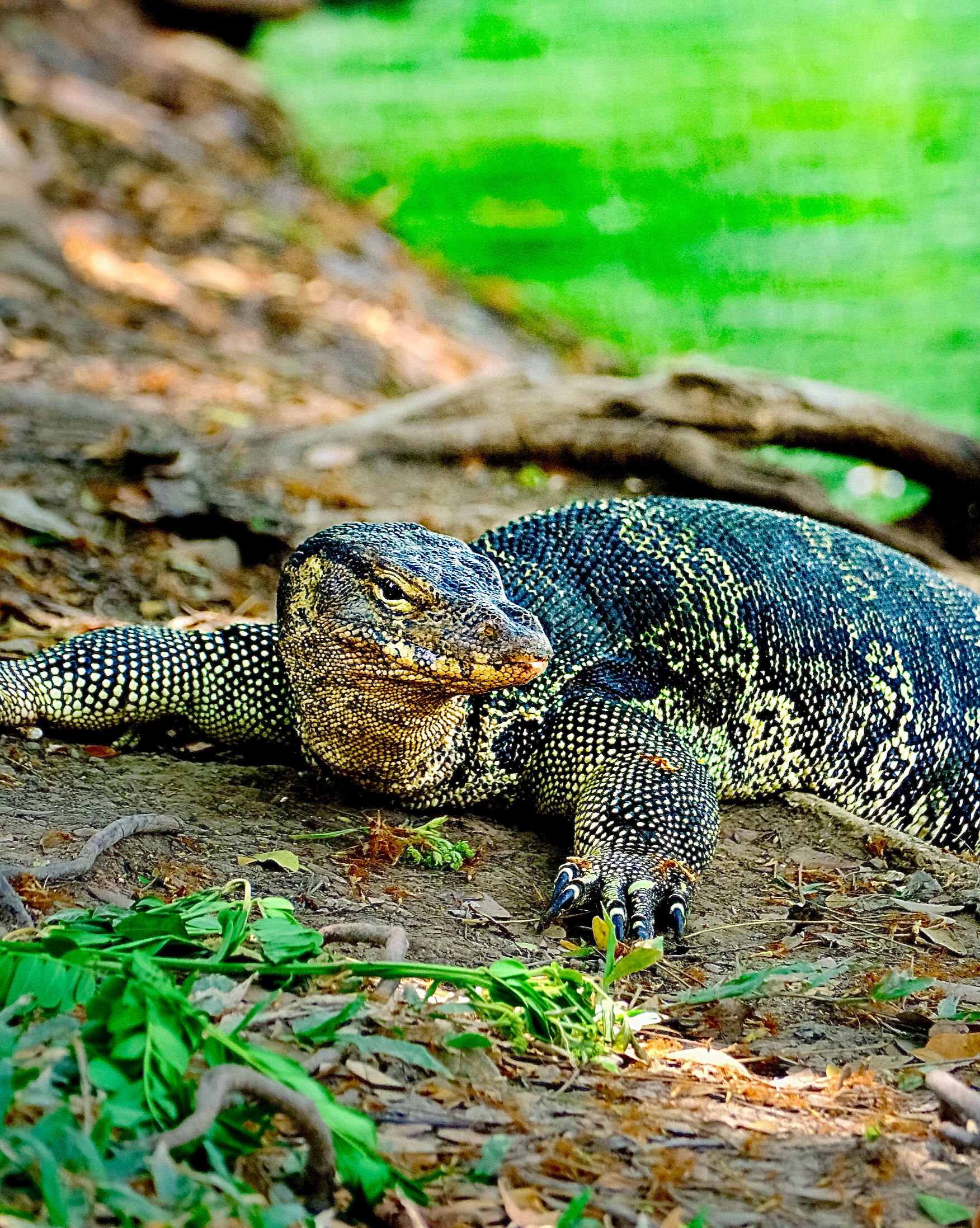
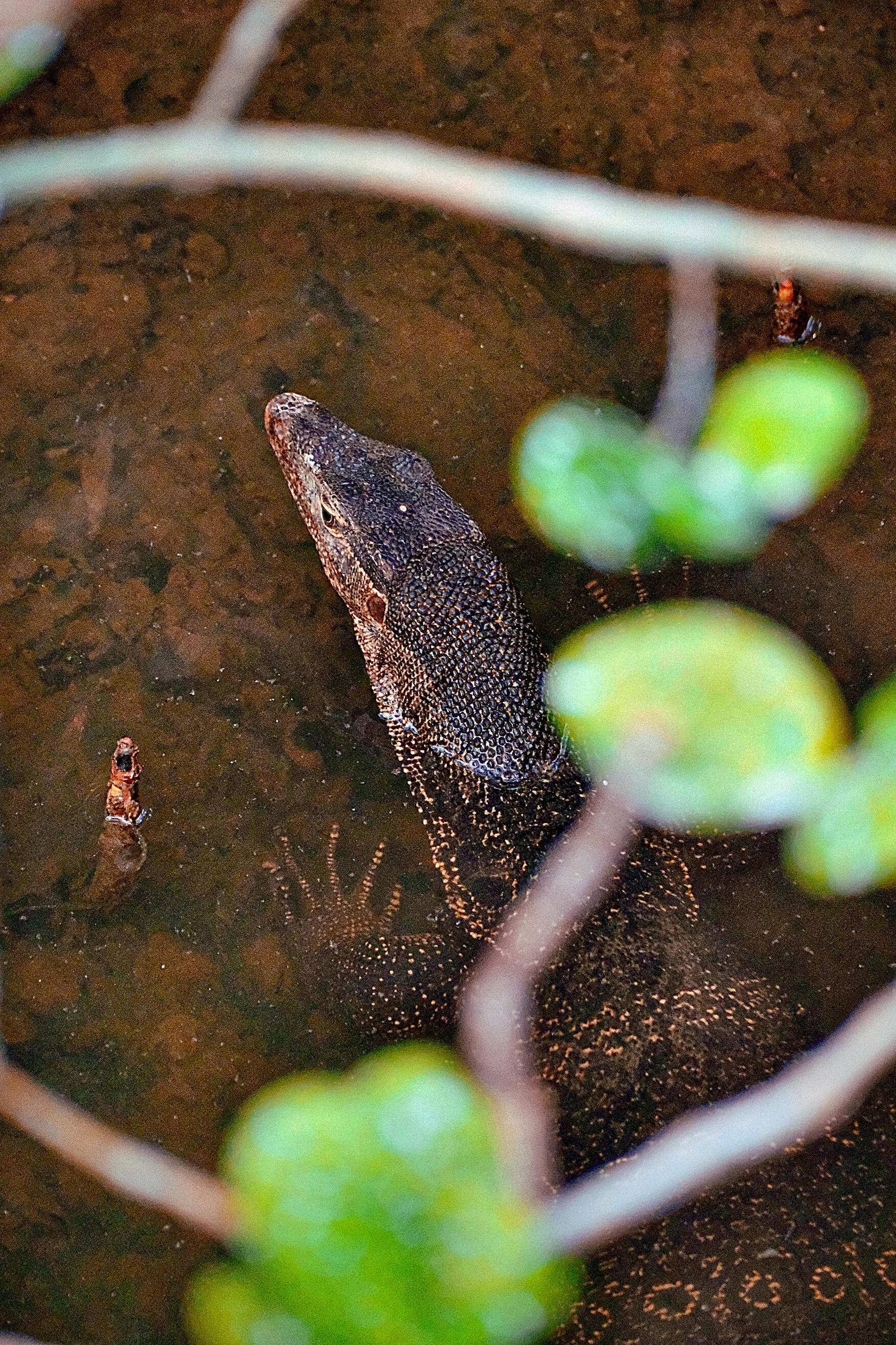
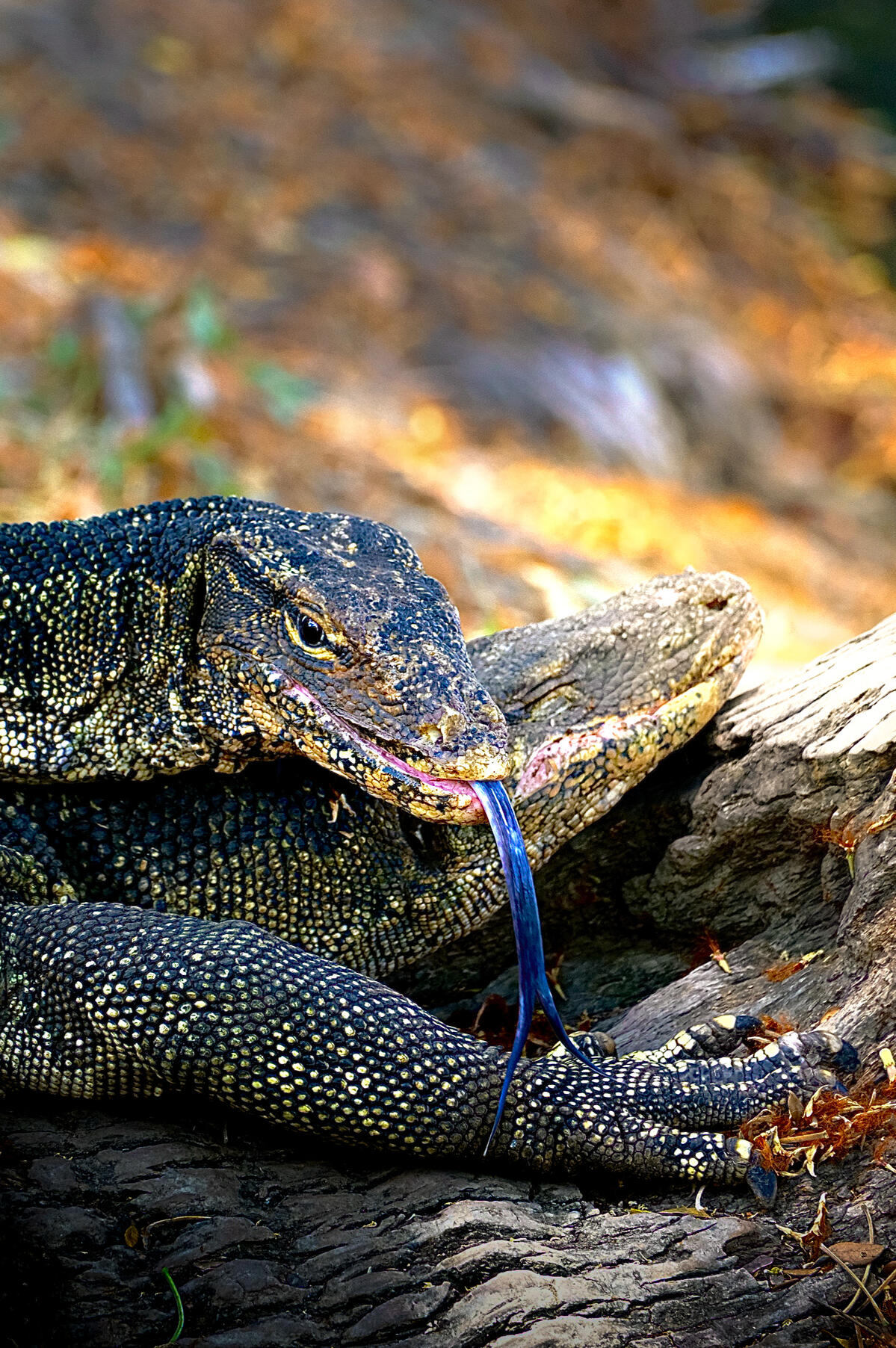
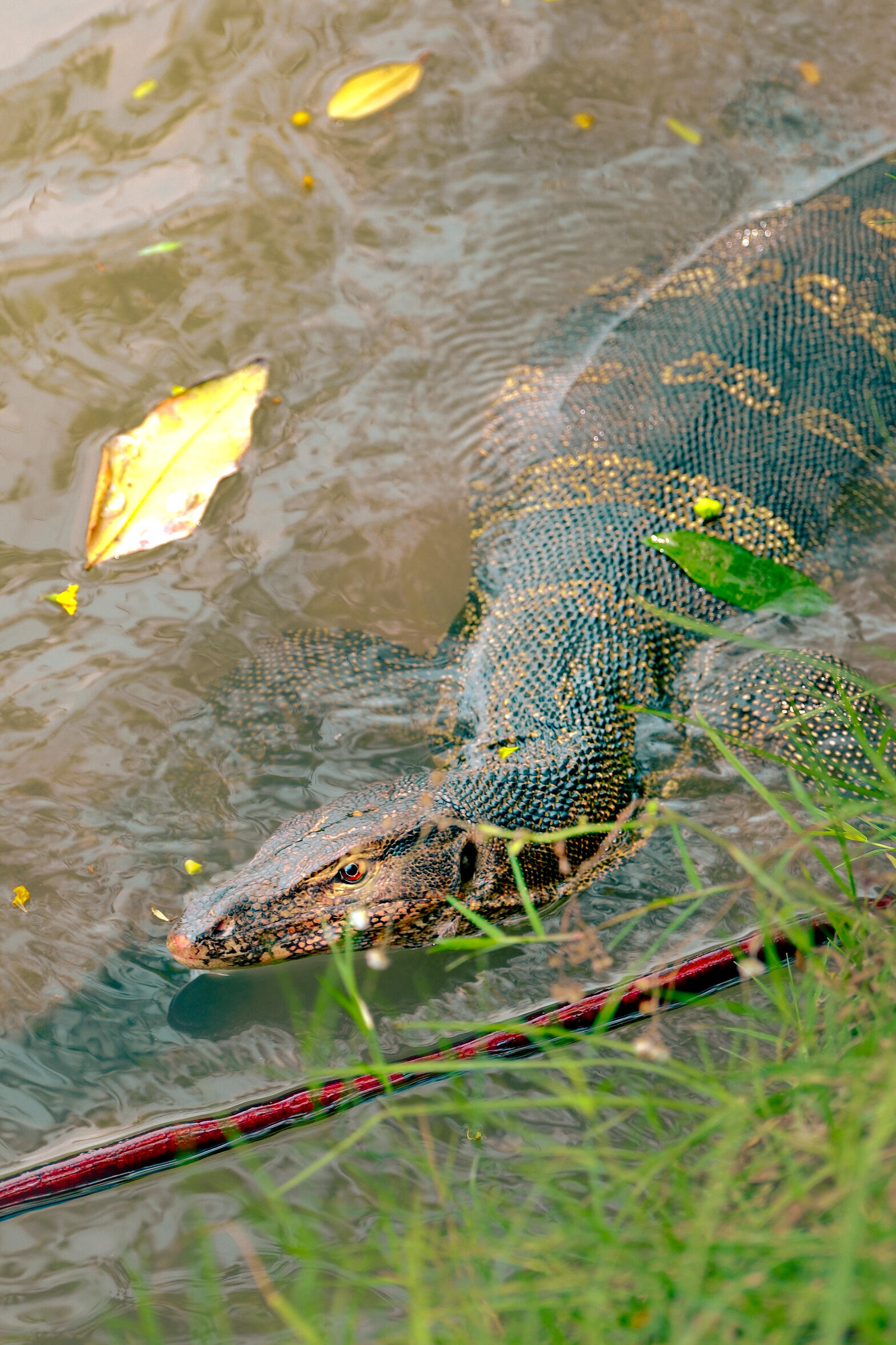
Water monitor
Captured in Thailand • Wild
Range:
South and Southeast Asia
Conservation Status:
Least Concern
Wild Population:
Widespread and abundant across much of its range, with no reliable global population estimate
Captured at:
Bangkok, Thailand
Filming Context:
Photographed freely roaming and swimming in Lumphini Park, where wild individuals have adapted to living alongside people while continuing to display natural behaviour
Description:
The Water Monitor is one of the largest lizard species in the world, recognised for its striking yellow and black scaled skin and powerful swimming ability. Often seen calmly moving between land and water, they play an important role in maintaining ecosystem balance. All content was captured from a distance while the monitor lizards were freely roaming, ensuring their natural behaviour was not disturbed.
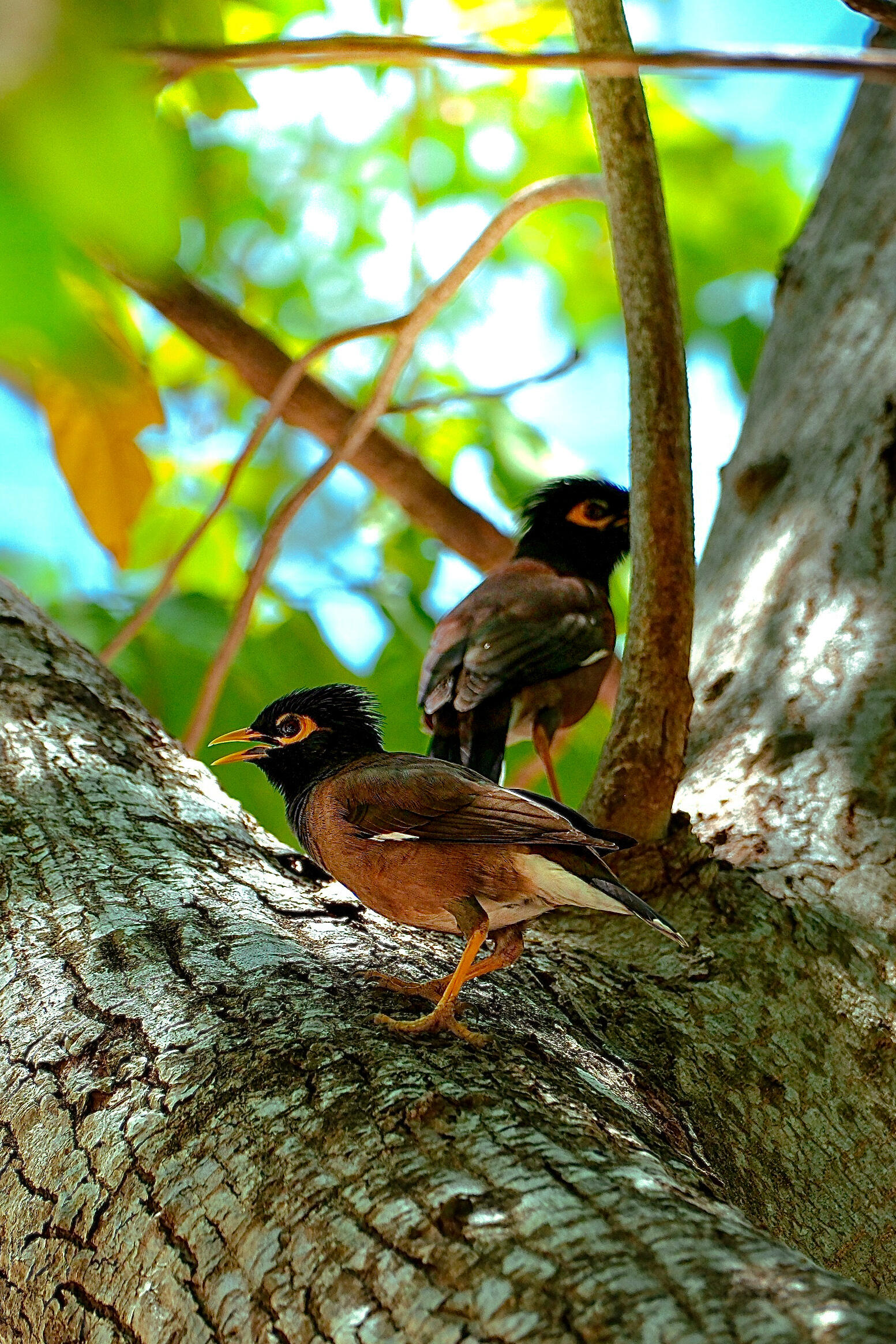
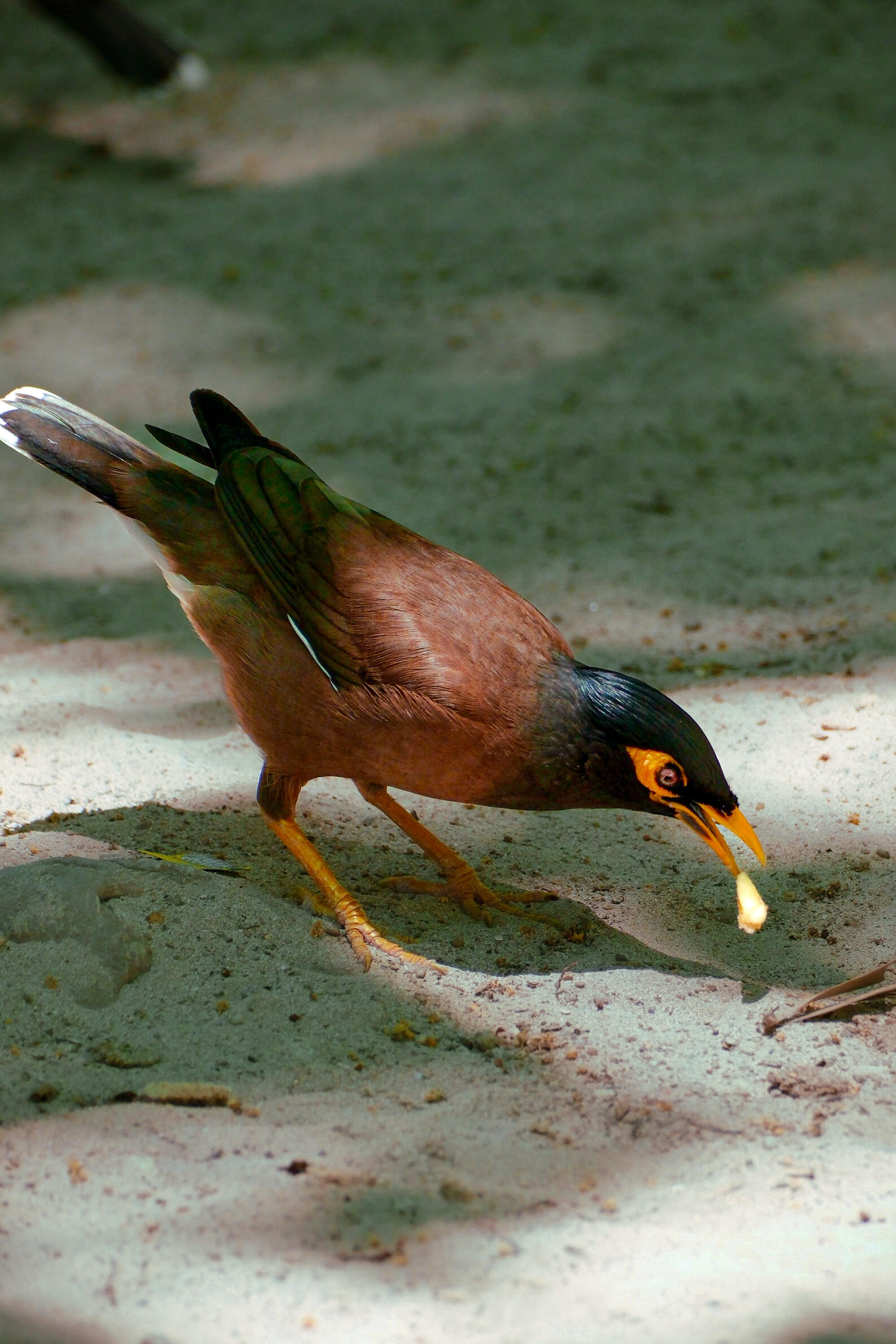
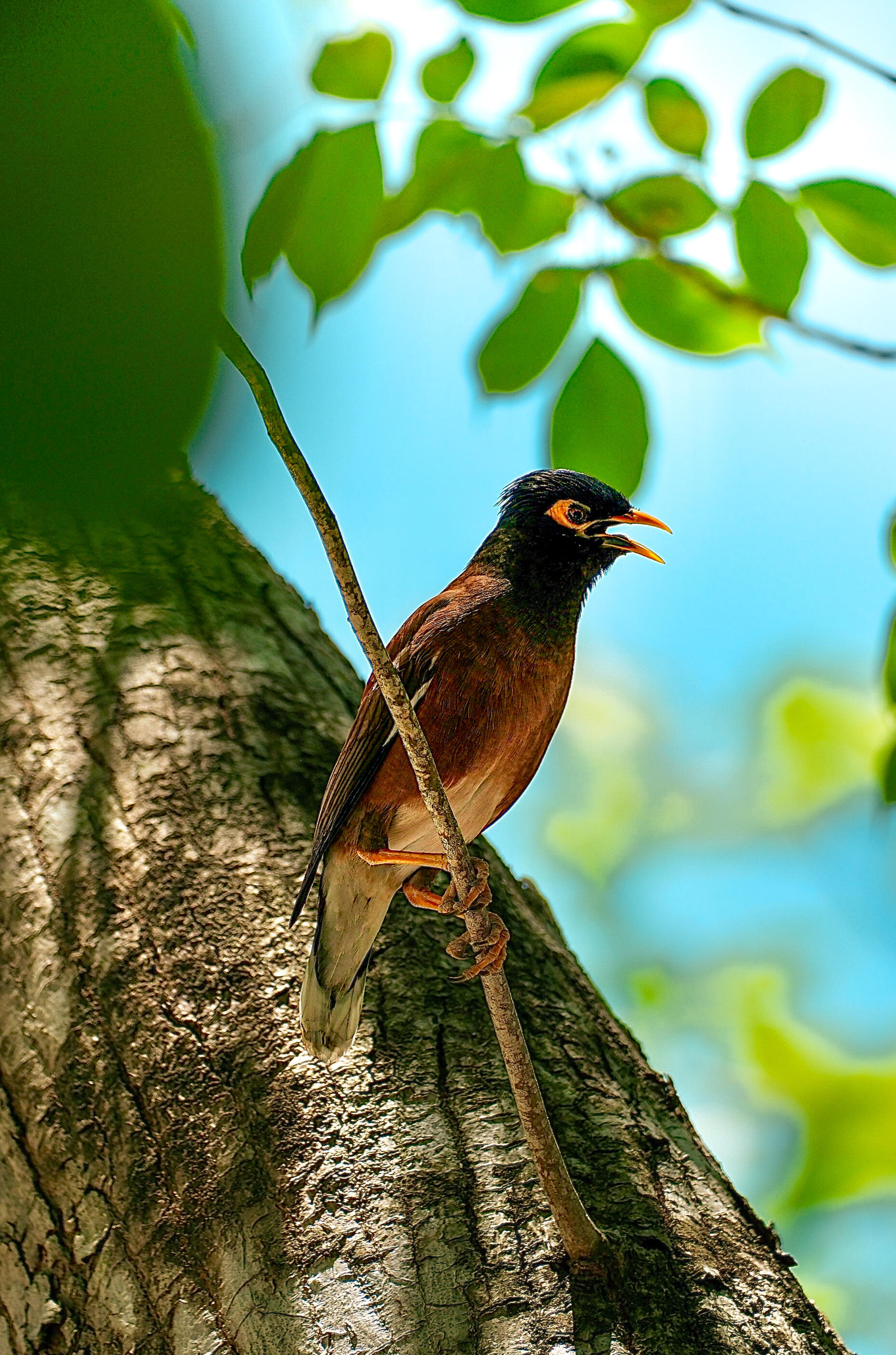
Common Myna
Captured in Thailand • Wild
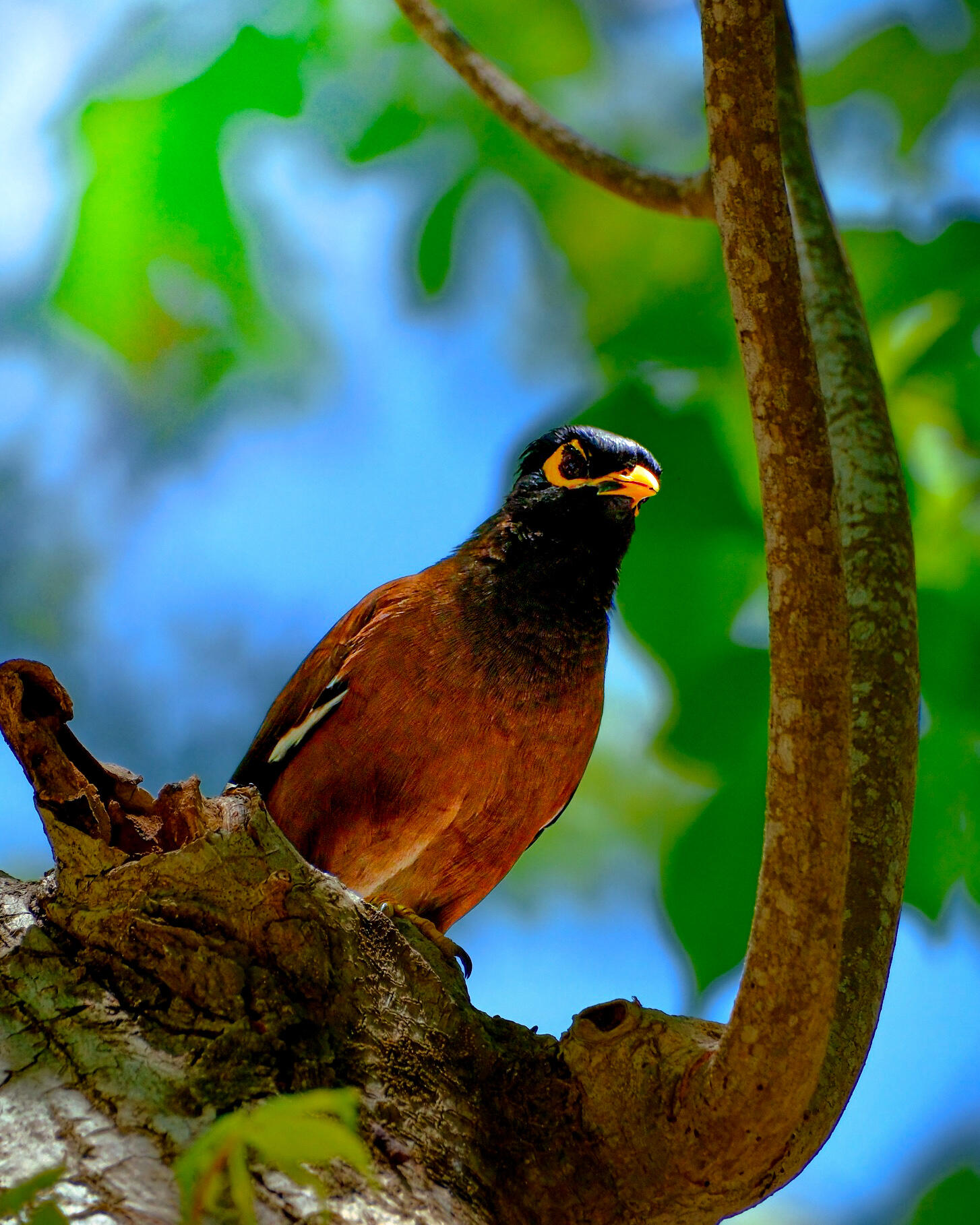
Range:
South and Southeast Asia
Conservation Status:
Least Concern
Wild Population:
Estimated at many millions of individuals globally
Captured at:
Krabi, Thailand.
Filming Context:
Photographed on Hong Island, where this individual was observed foraging and perching in the coastal trees surrounding the island’s beaches and limestone cliffs
Description:
The Common Myna is a confident and highly adaptable bird, recognised by its warm brown body, black head and distinctive yellow eye patch and beak. Often seen walking along the ground searching for insects and fruit, they are known for their intelligence and curious nature.
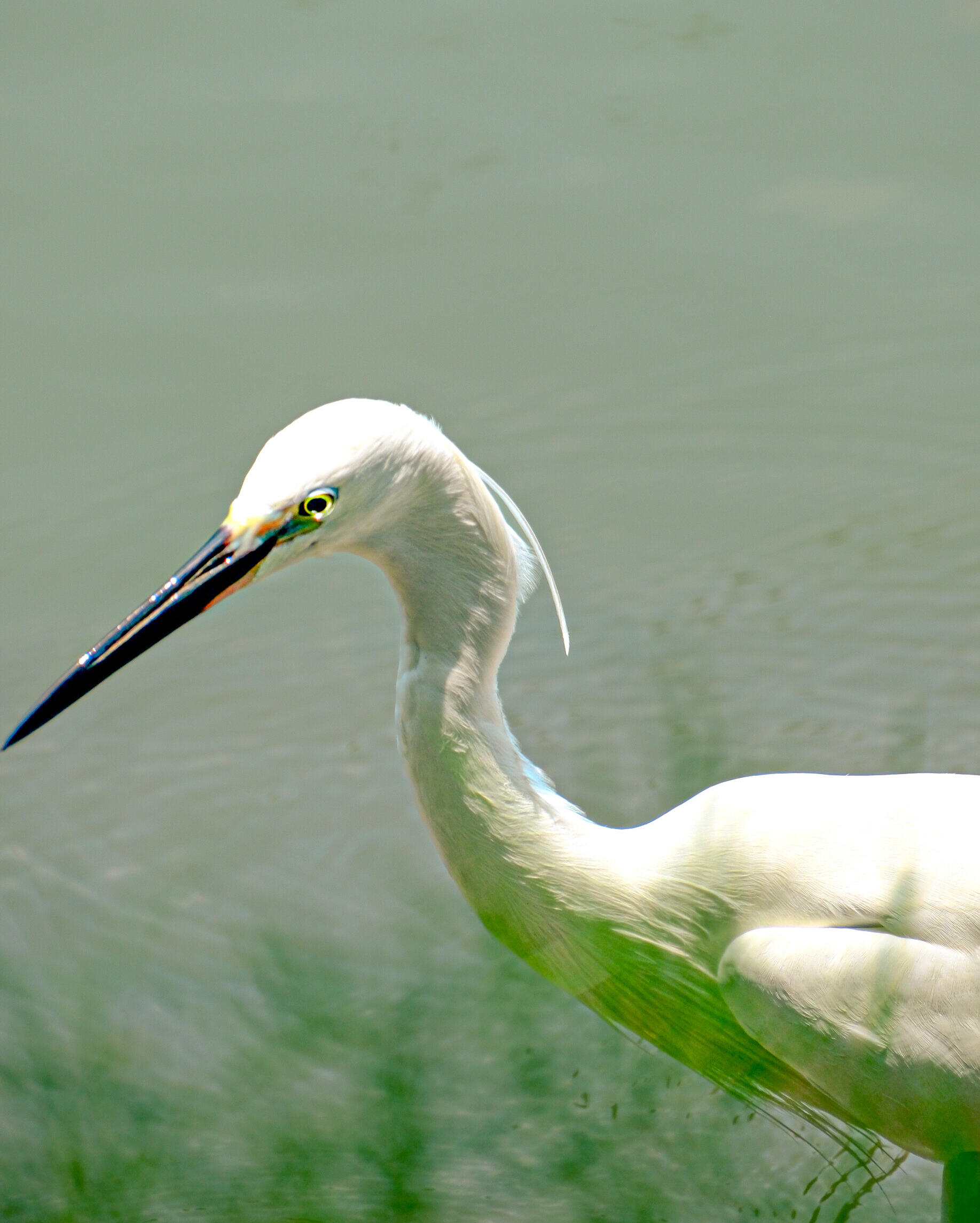
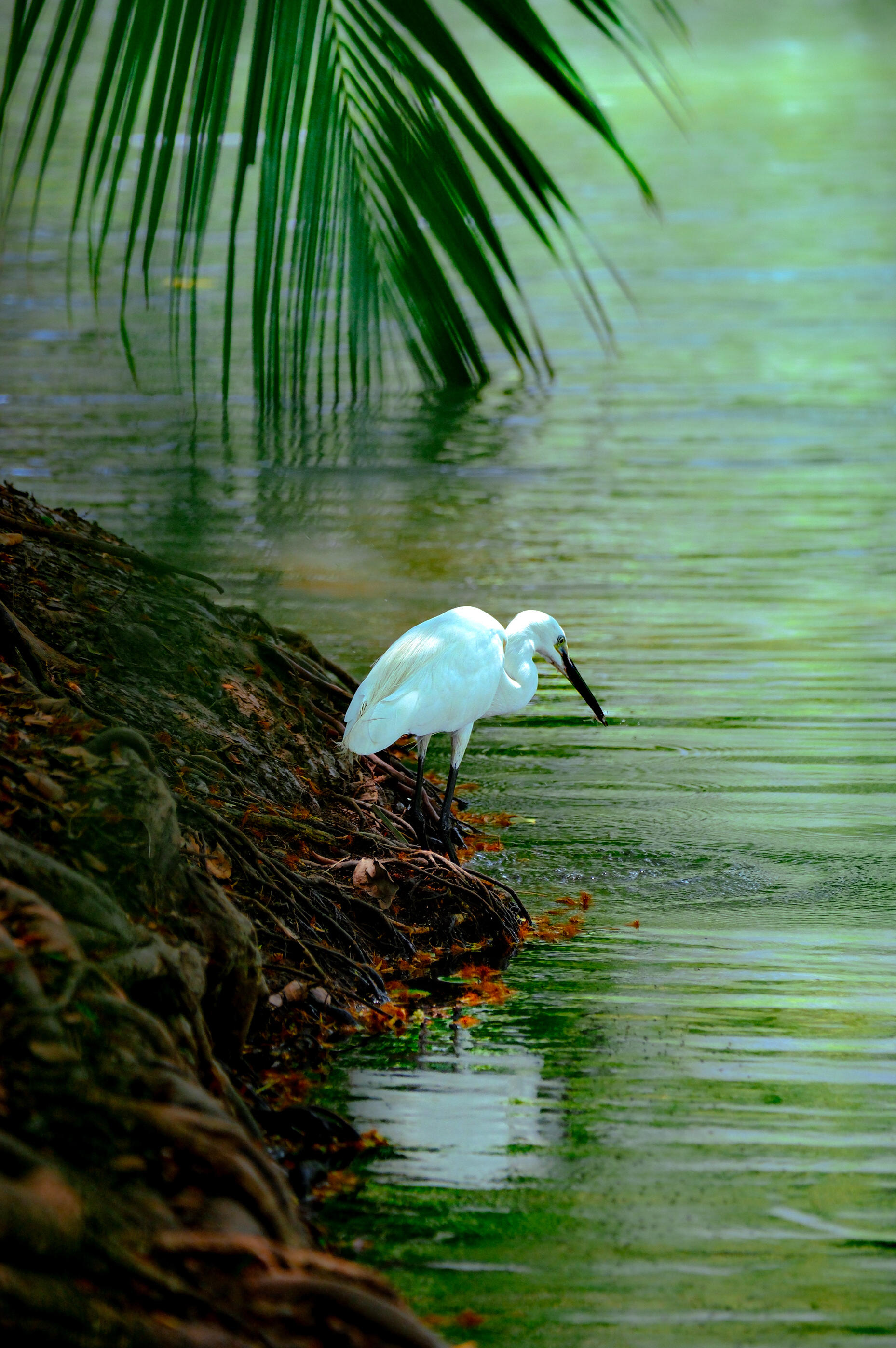
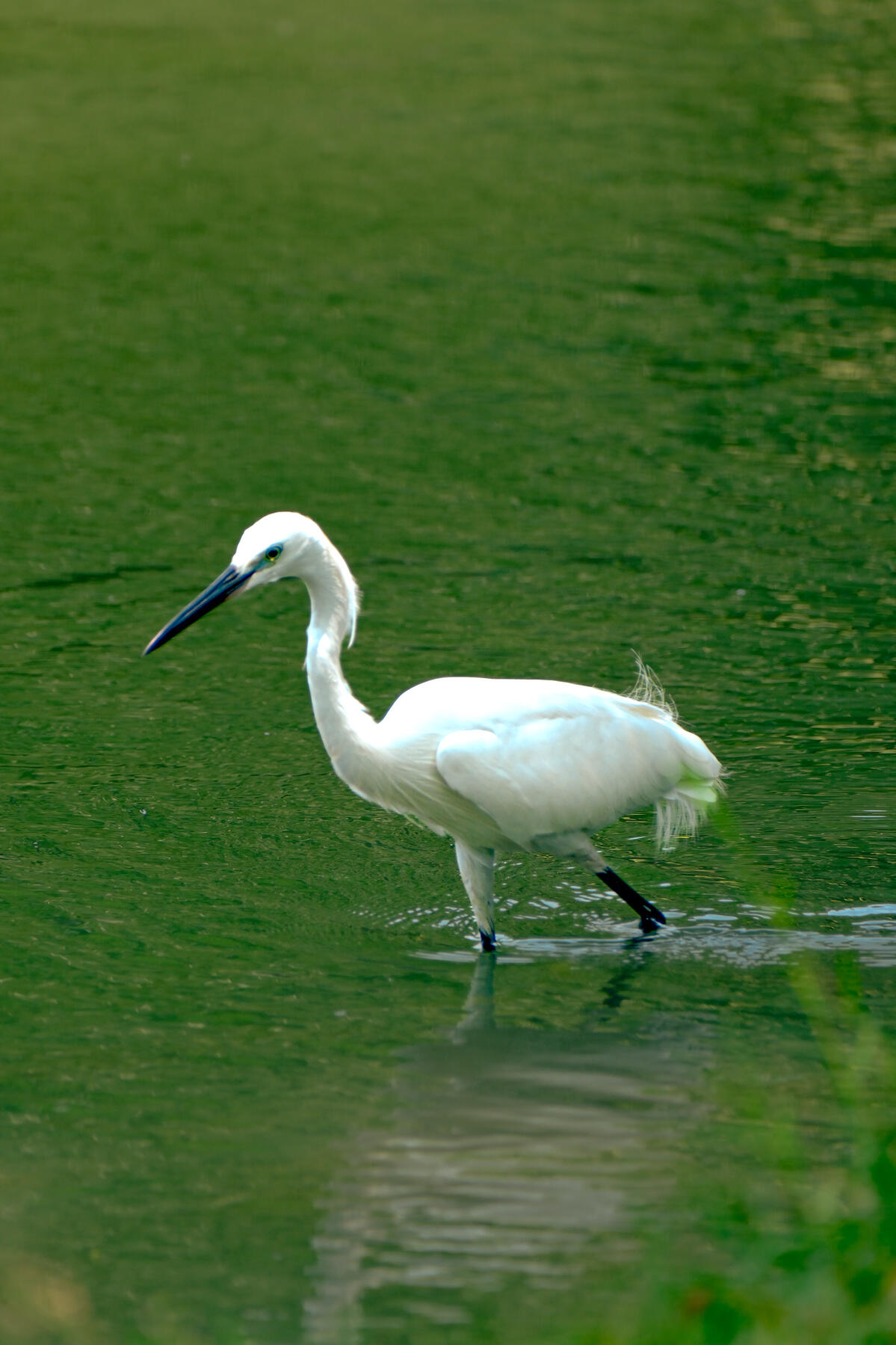
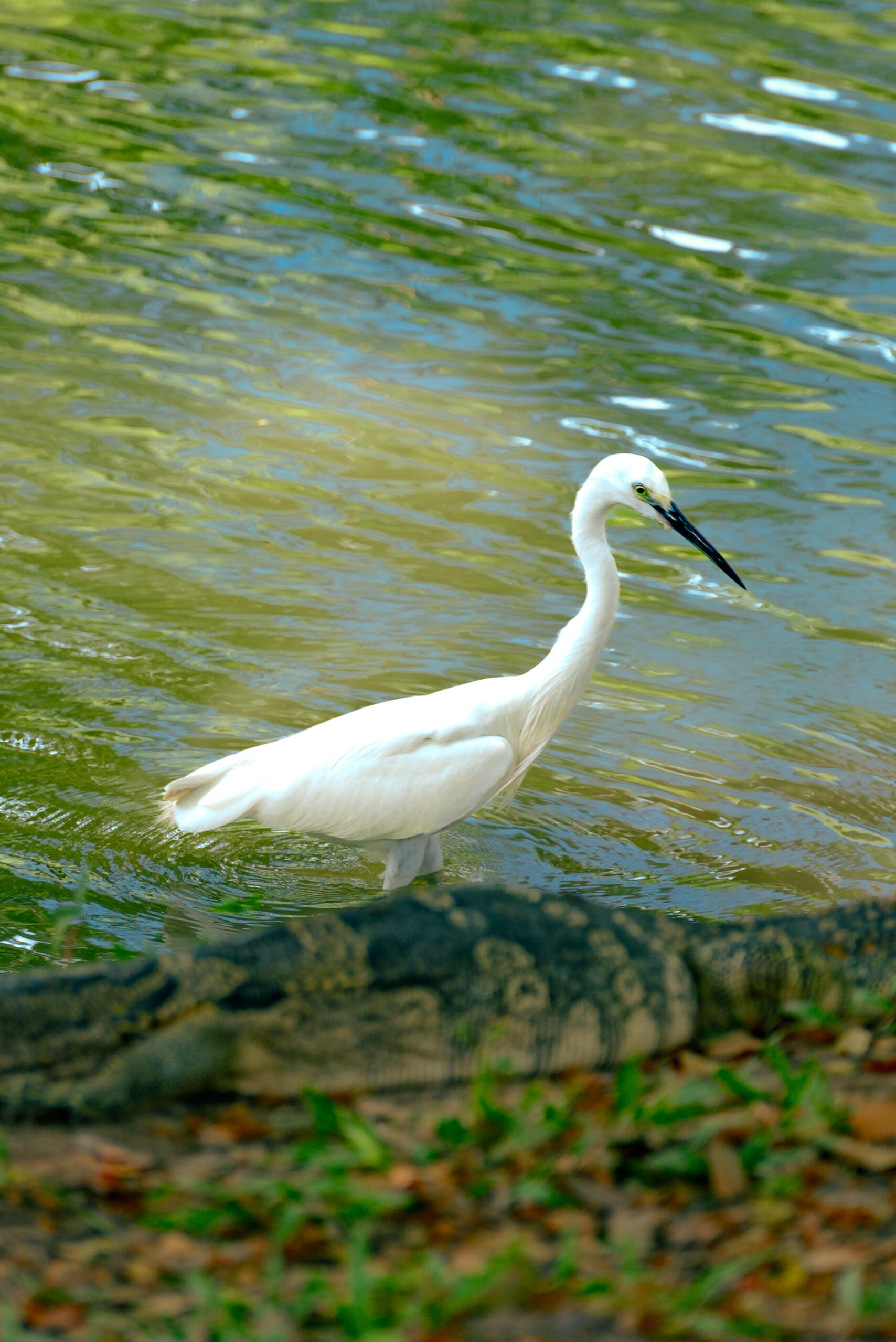
little egret
Captured in Thailand • Wild
Range:
Europe, Africa, Asia, and parts of Australia
Conservation Status:
Least Concern
Wild Population:
Estimated at 660,000–3,150,000 individuals globally
Captured at:
Bangkok, Thailand
Filming Context:
Photographed freely hunting along the water’s edge in Lumpini park, where the birds have become accustomed to people while continuing to display natural behaviour
Description:
The Little Egret is a small species of heron, recognised for its bright white plumage, slender black bill, and elegant hunting movements through shallow water. They are highly adaptable wetland birds often seen feeding on fish, frogs, crustaceans, and insects in lakes, rivers, mangroves, and urban parks. During flight, they tuck their neck into an “S” shape while slowly beating their broad white wings.
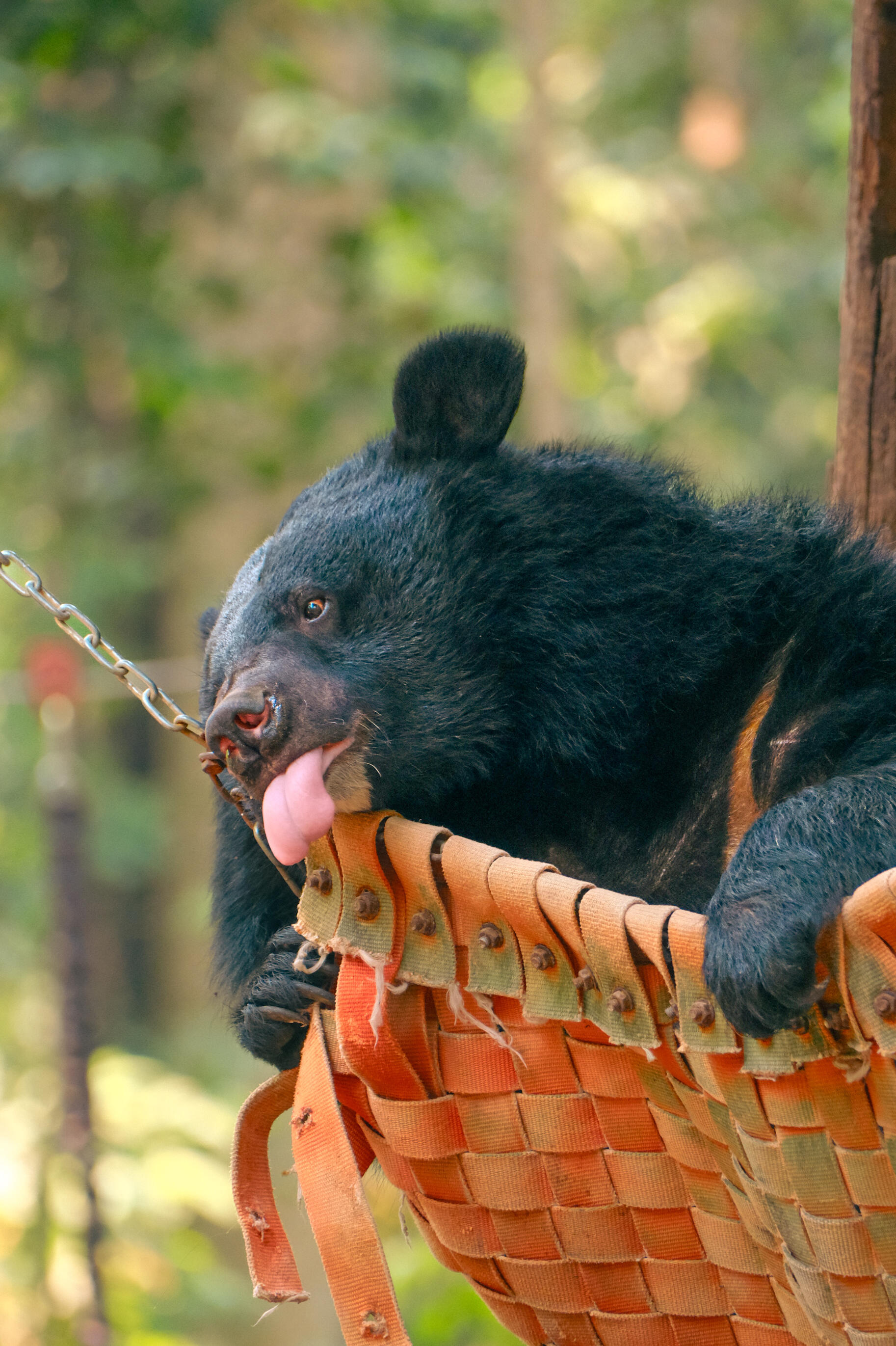
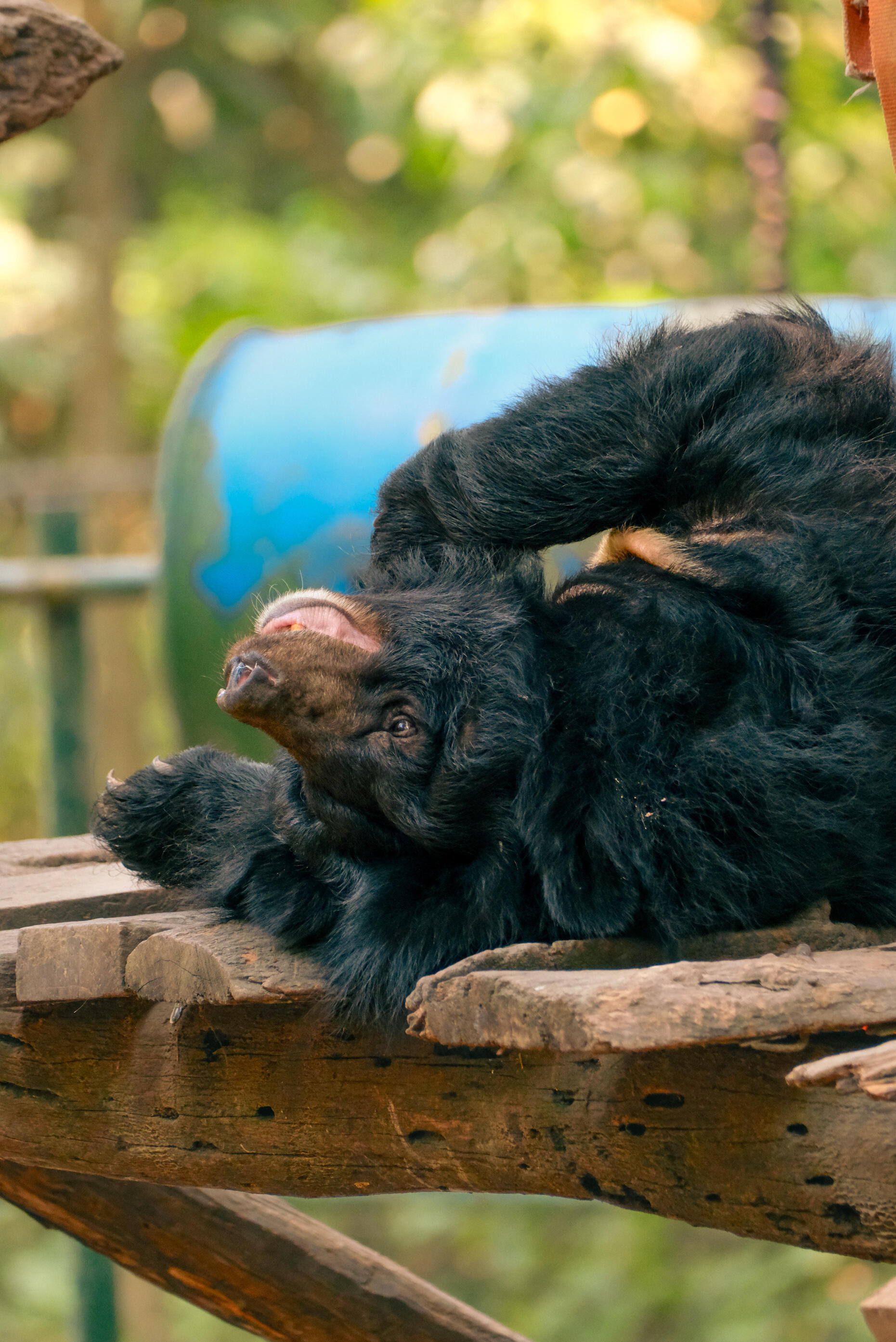
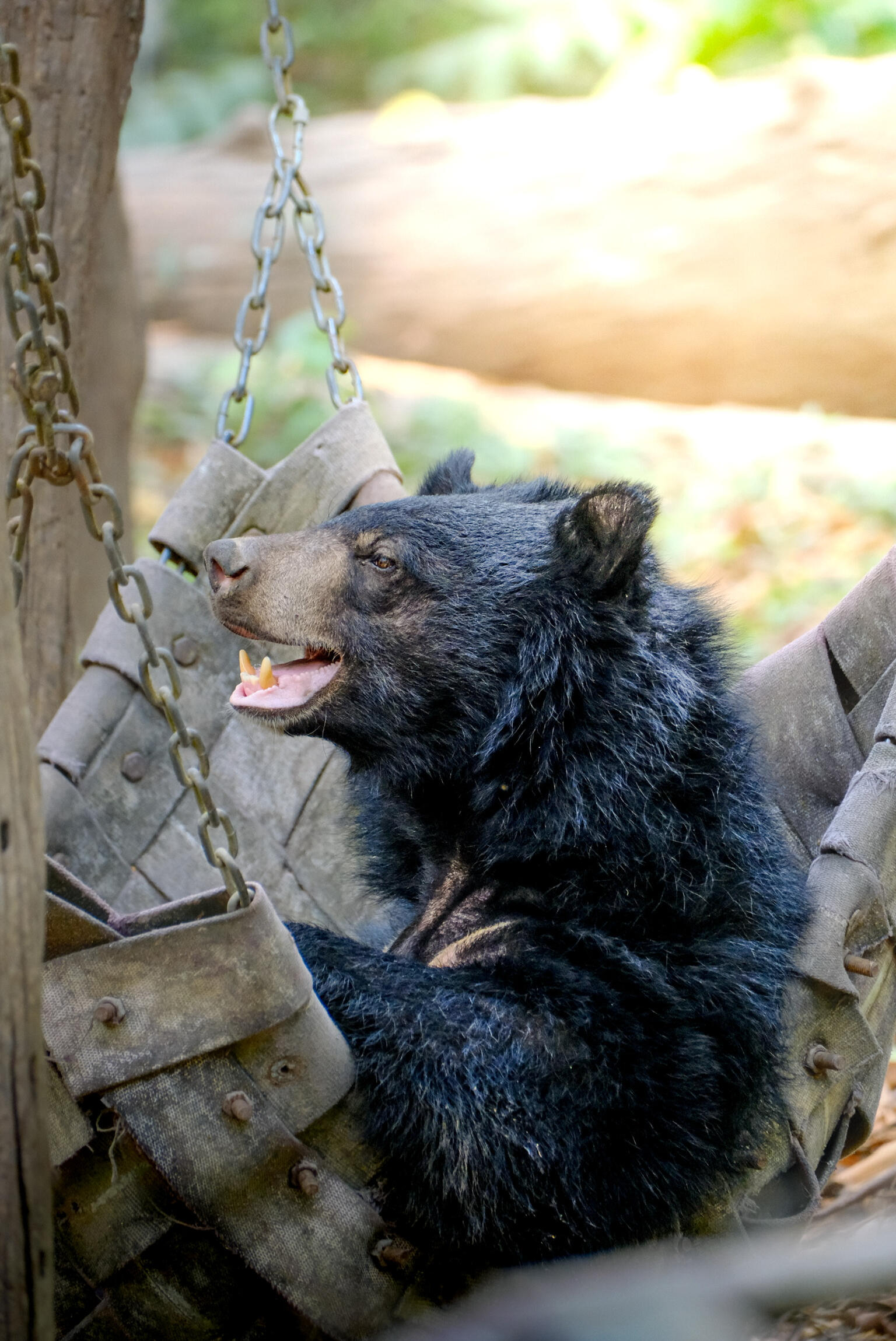
Asiatic Black bear
Captured in Laos • Sanctuary
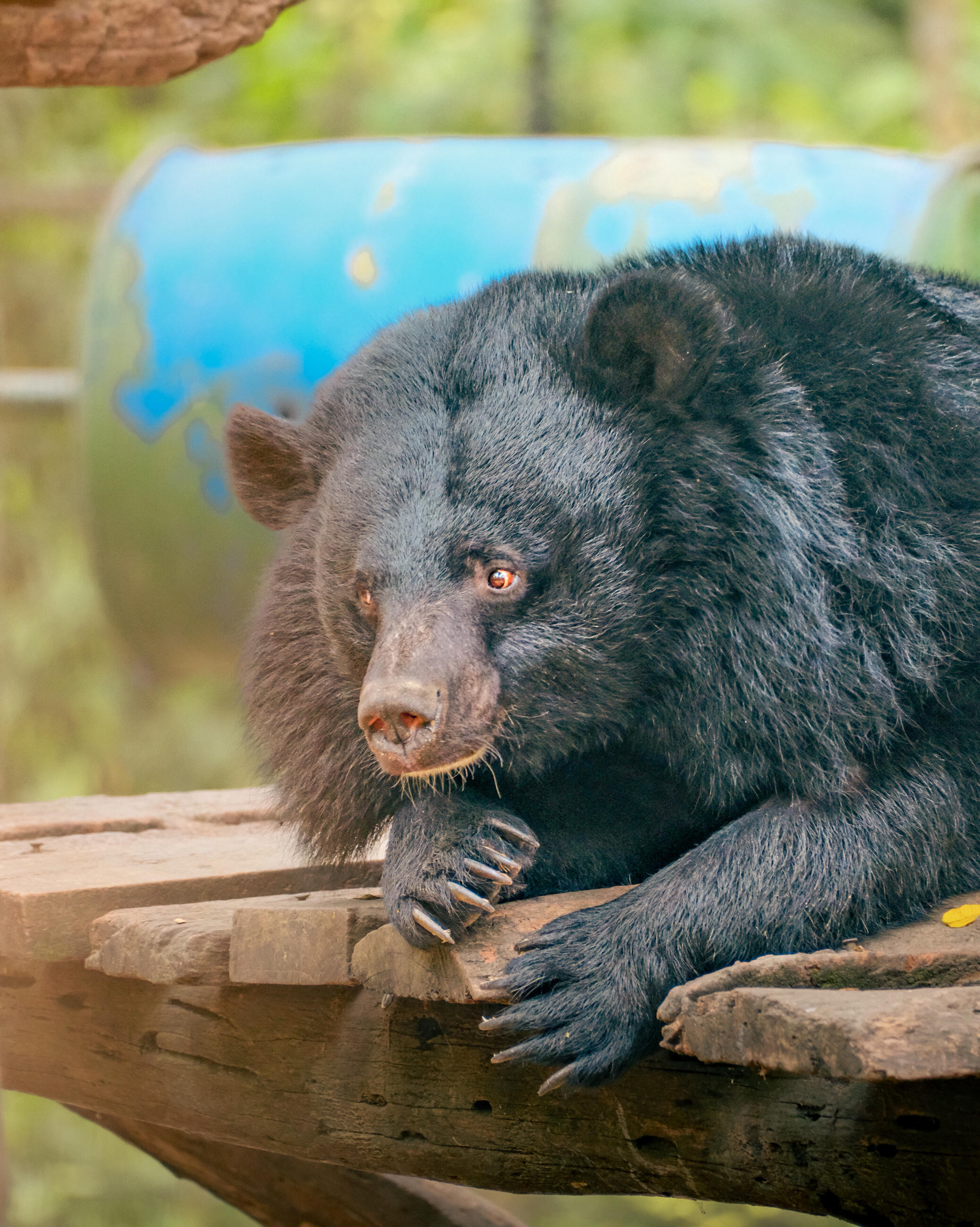
Range:
South and Southeast Asia
Conservation Status:
Vunerable
Wild Population:
Estimated fewer than 50,000
Captured at:
Luang Prabang, Laos
Filming Context:
Photographed within a forest enclosure at Kuang Si Bear Rescue Centre, where rescued bears are able to climb, forage, and rest in a protected environment.
Description:
The Asiatic Black Bear is a medium-sized bear species recognised for its thick black fur, rounded ears, and the pale crescent-shaped marking often found across its chest, giving rise to the name “Moon Bear”. Primarily inhabiting forests and mountainous regions across Asia, they are skilled climbers and spend much of their time foraging for fruits, nuts, insects, and small animals. Despite their powerful build, Moon Bears are often surprisingly playful and intelligent animals, frequently observed climbing, wrestling, and resting high above the ground.
Many Asiatic Black Bears across Southeast Asia have been heavily impacted by habitat loss and the illegal bile farming industry, where bears were historically confined to extremely small cages so bile could be extracted for use in traditional medicine. The bears photographed here now live within a protected rescue sanctuary in Laos after being rescued from that trade. Although they can no longer be safely returned to the wild, sanctuaries like this provide a far more ethical and enriching environment, allowing the bears space to roam, climb, rest, and display natural behaviours in safety.
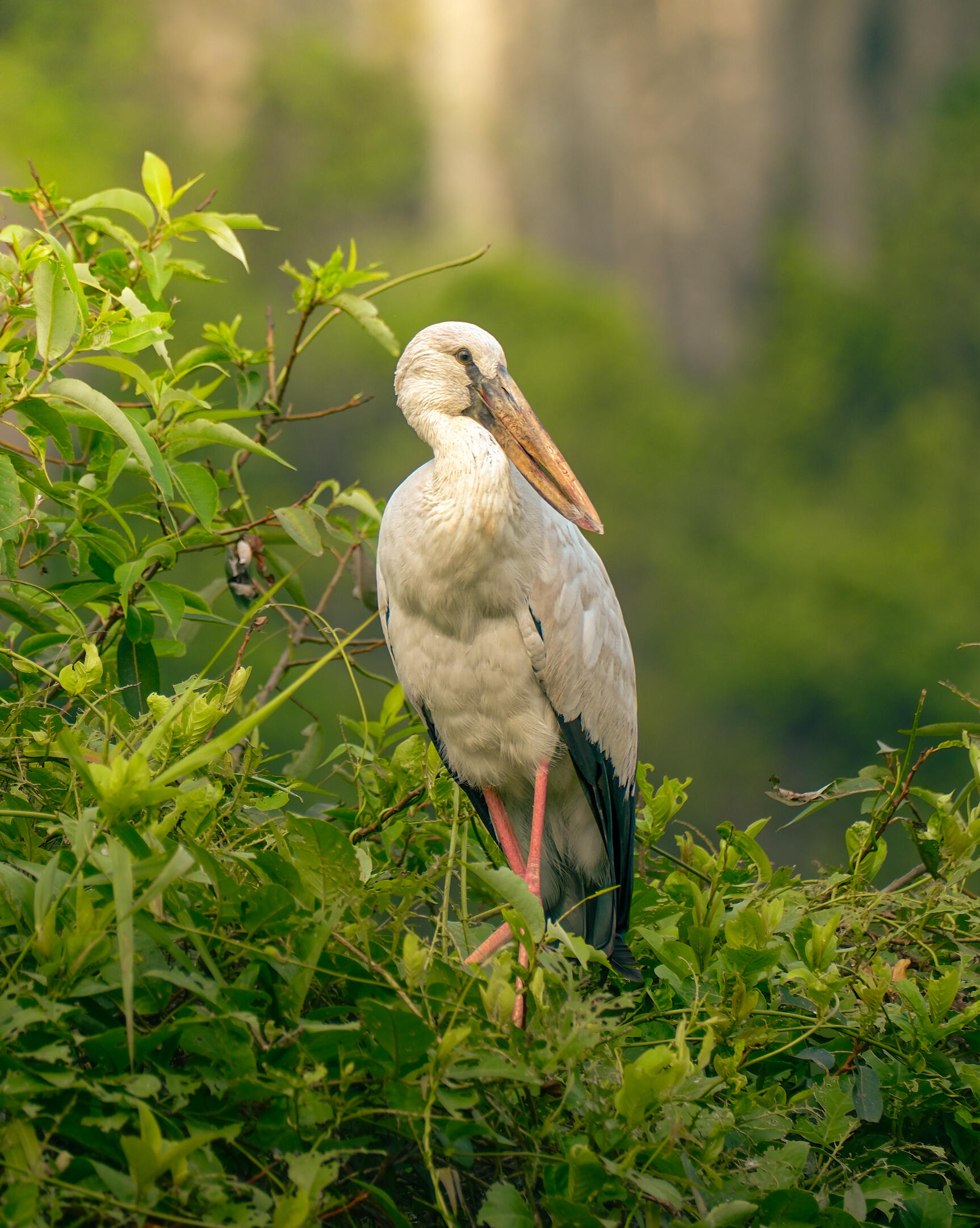
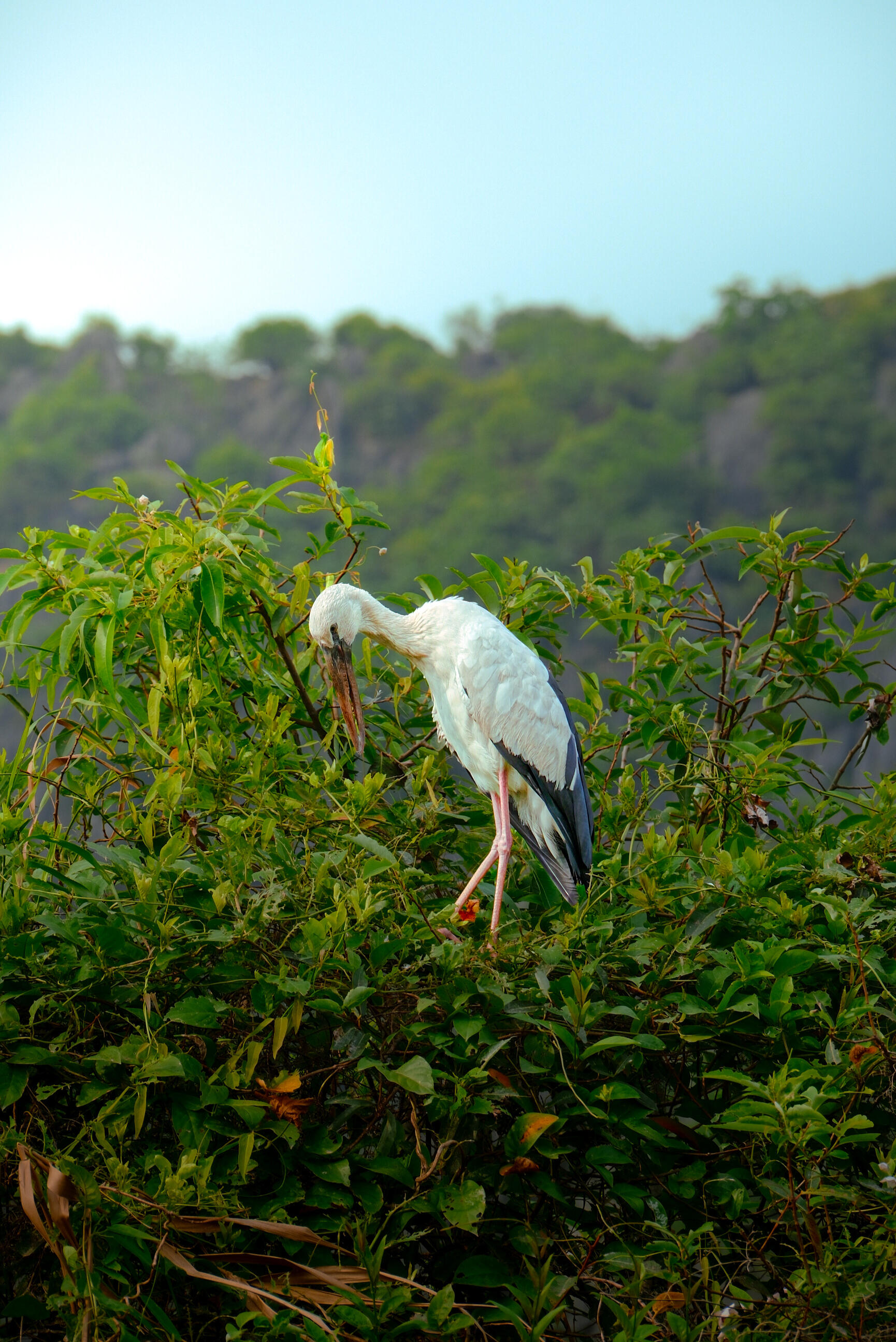
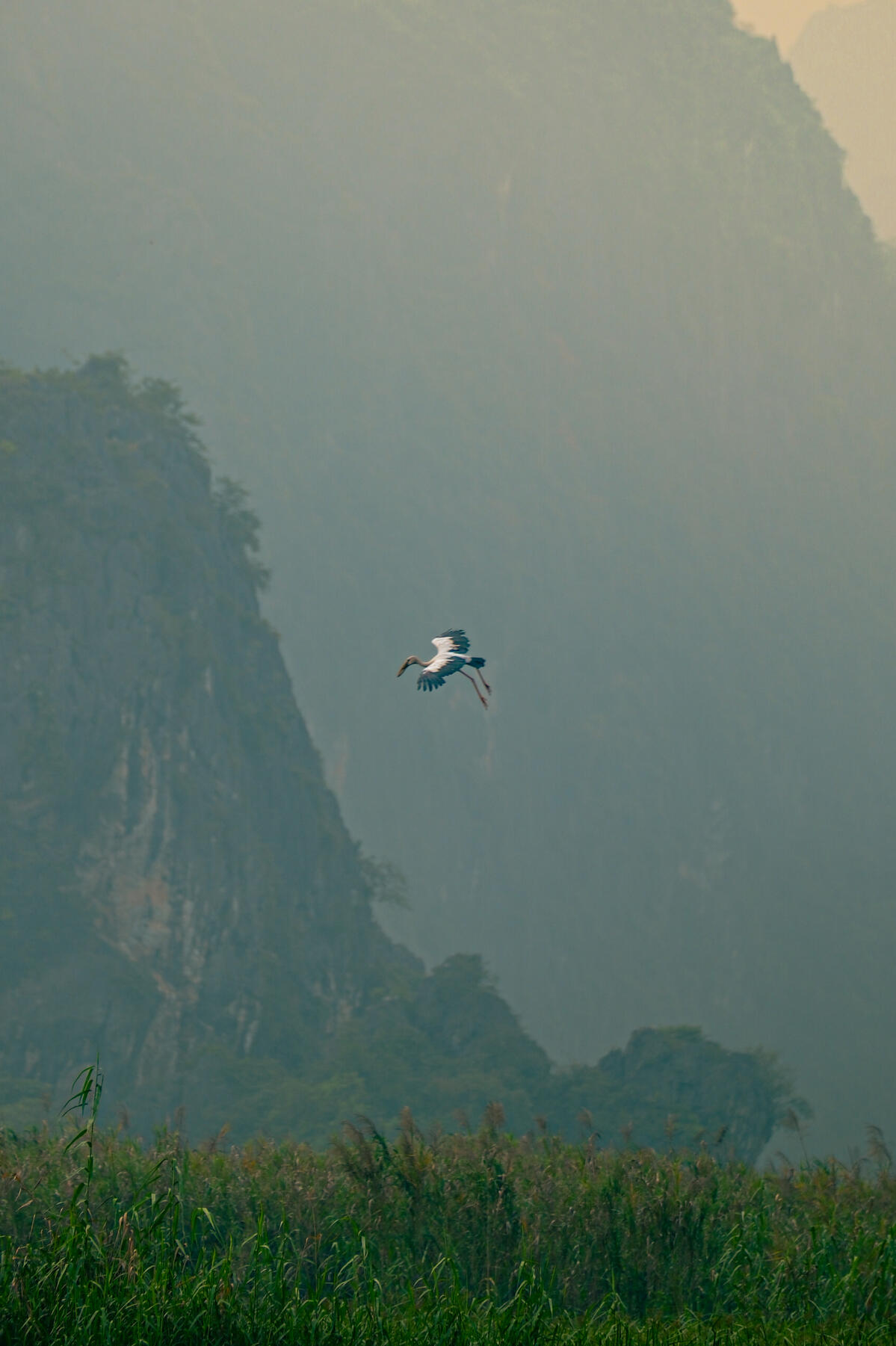
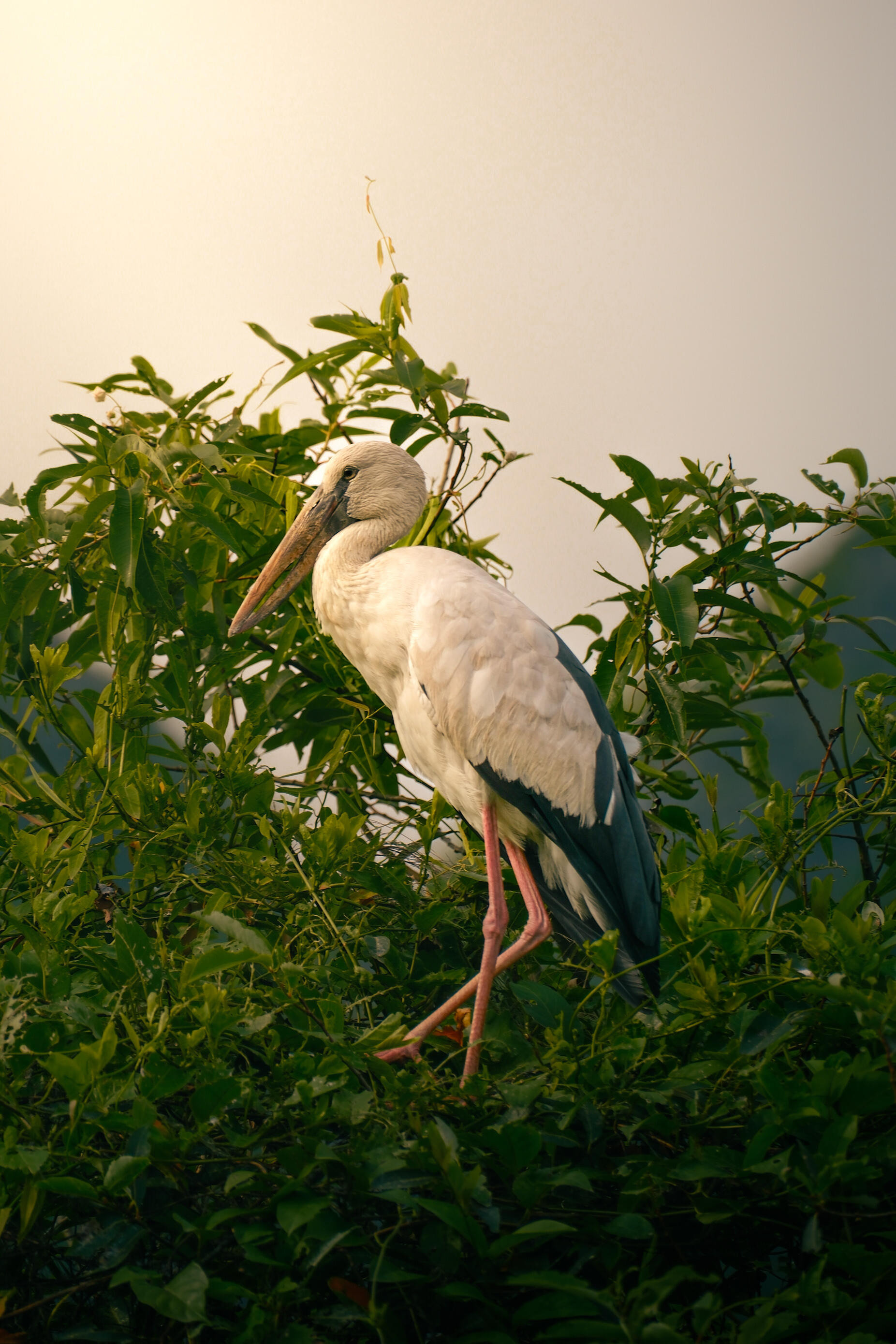
Asian Openbill stork
Captured in Vietnam • Wild
Range:
South and Southeast Asia
Conservation Status:
Least Concern
Wild Population:
Estimated over 300,000
Captured at:
Van Long Wetlands Nature Reserve, Ninh Bình, Vietnam
Filming Context:
Photographed from a traditional wooden boat during a guided tour of Van Long Wetland Reserve, allowing close observation without disturbing the bird
Description:
The Asian Openbill Stork is a distinctive wetland bird found across South and Southeast Asia. Its uniquely gapped bill is specially adapted for feeding on freshwater snails, allowing it to thrive in marshes, rice paddies, and flooded grasslands. Elegant and highly social, these storks are a familiar sight in many of Asia’s wetlands.
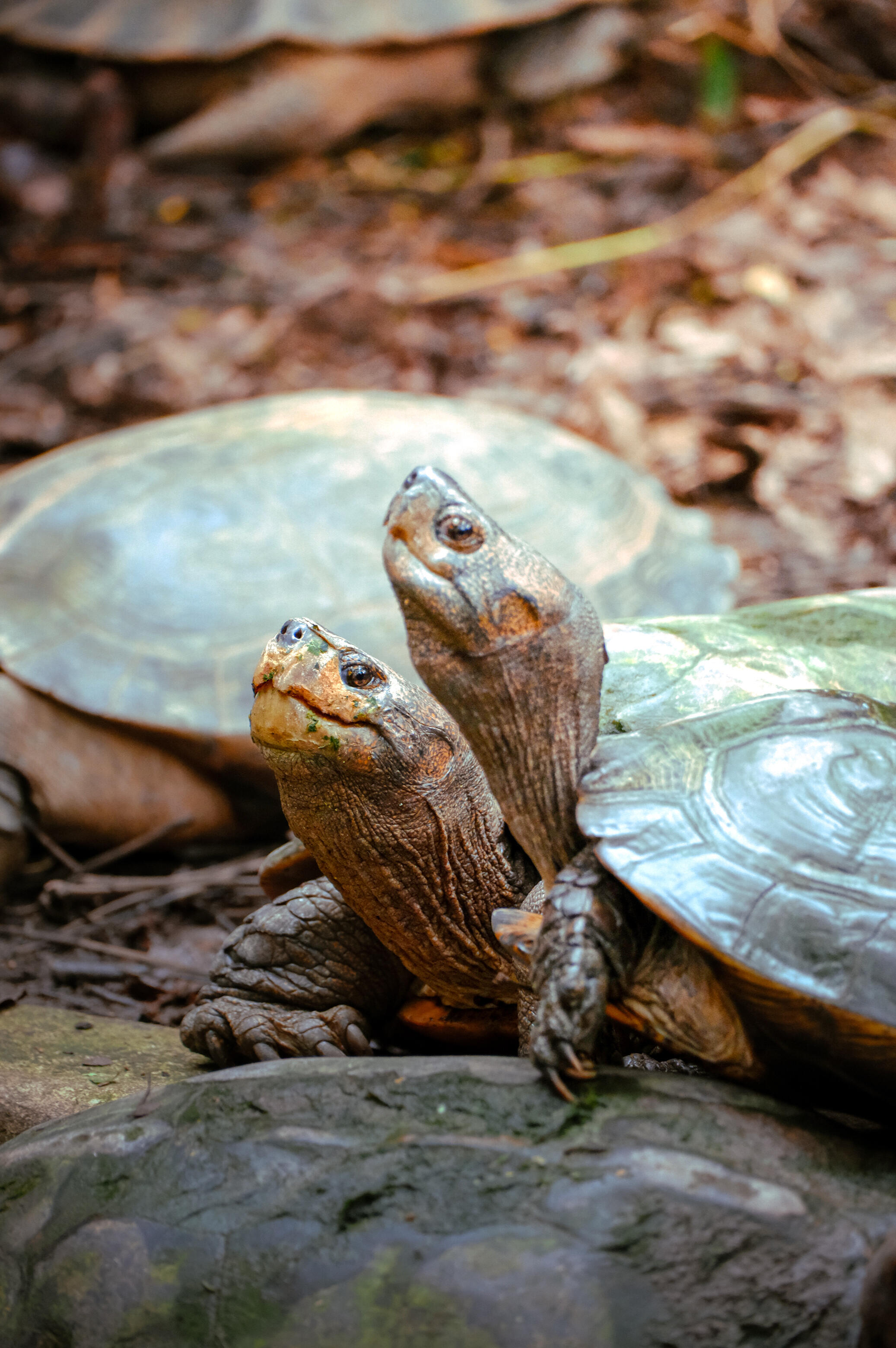
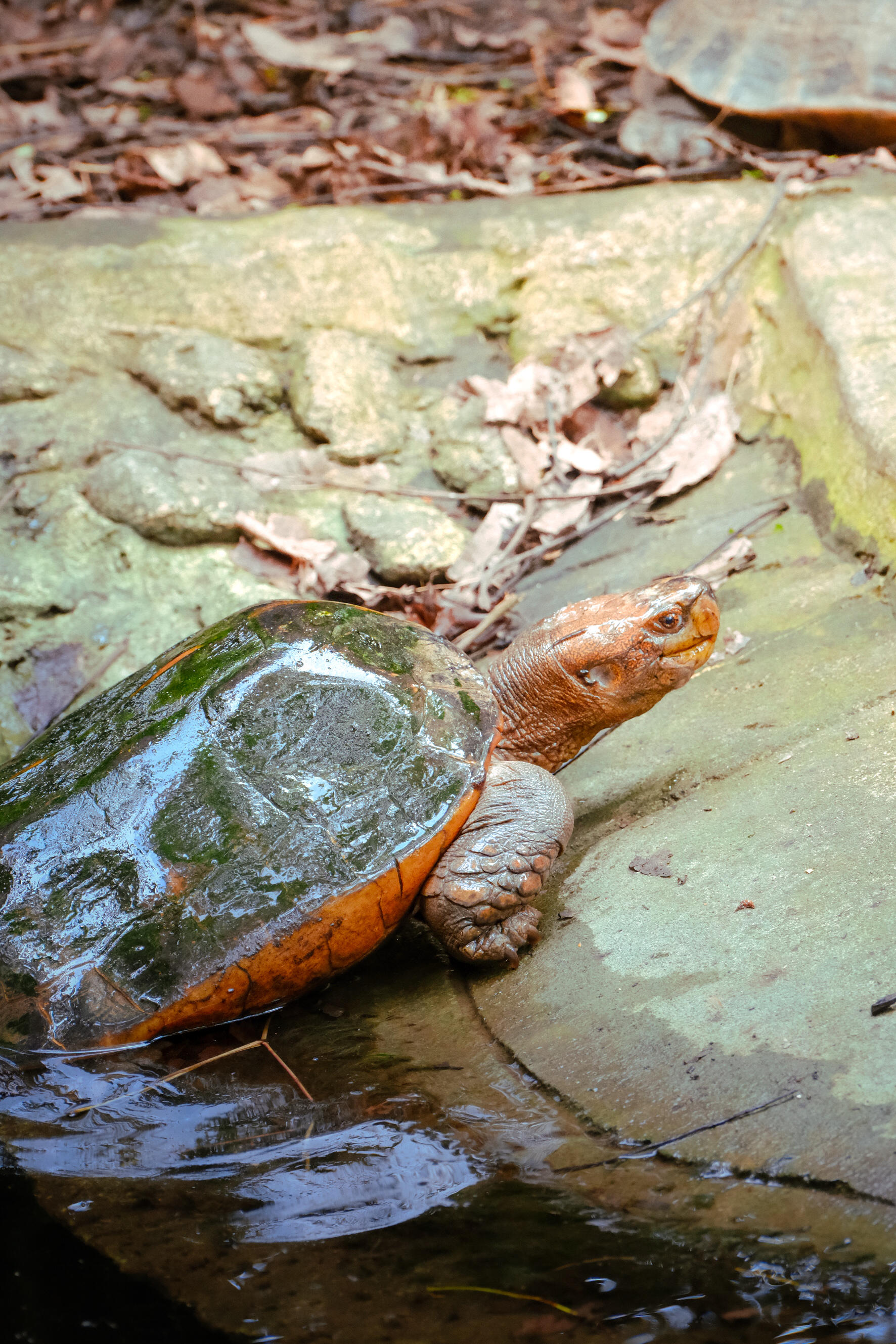
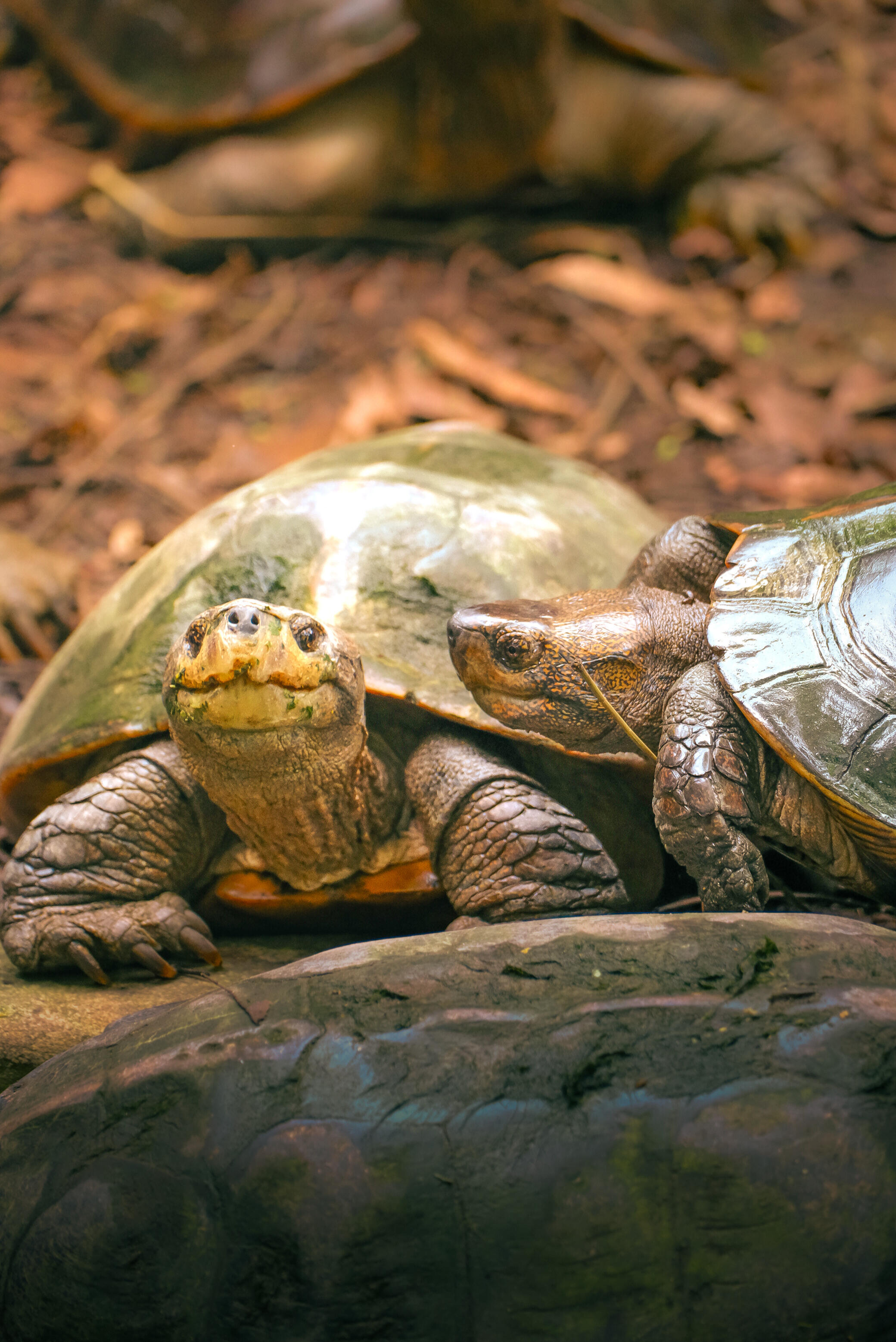
Giant Asian Pond Turtle
Captured in Vietnam • Rescue Center
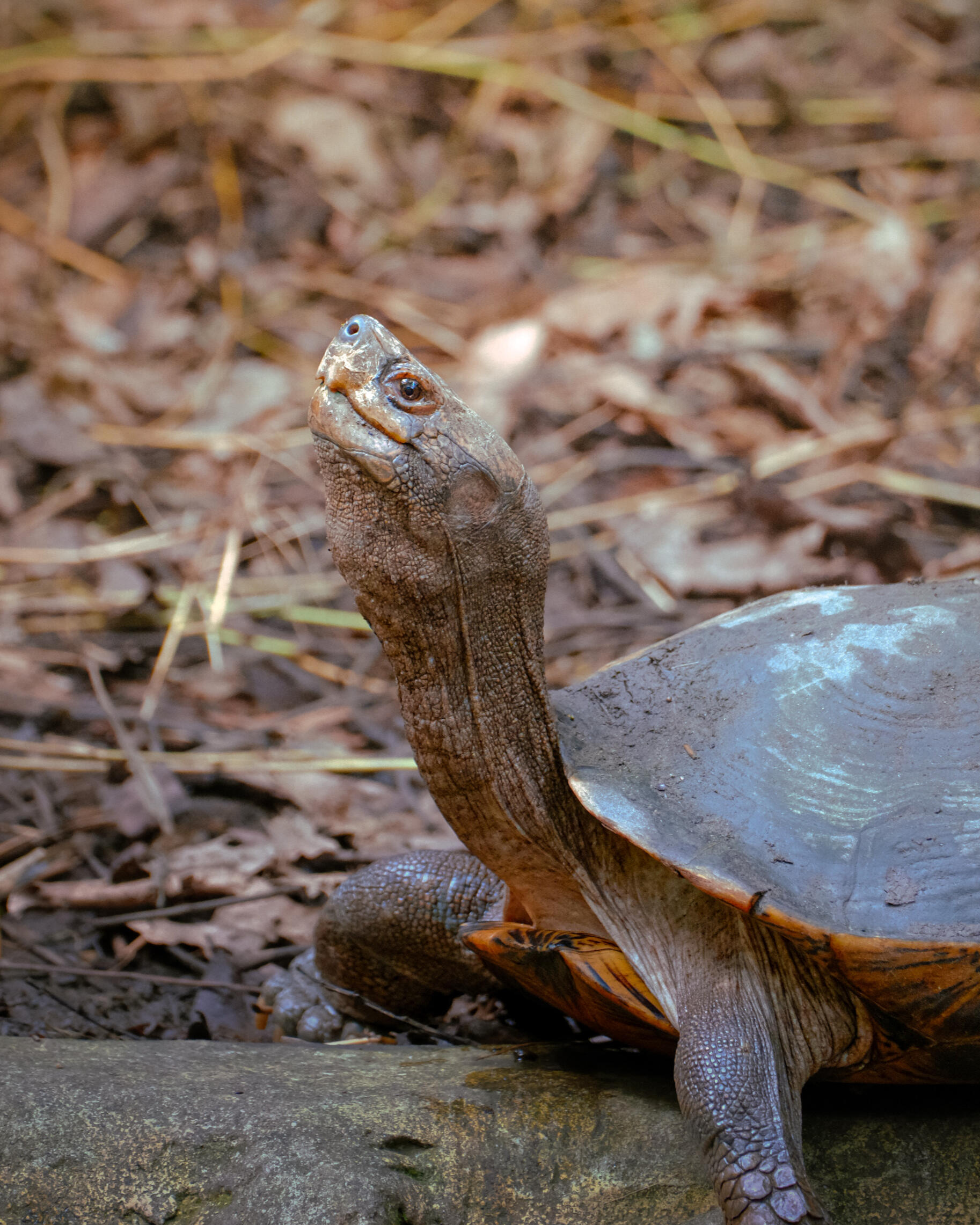
Range:
Southeast Asia, including Vietnam, Laos, Cambodia, Thailand, and southern China
Conservation Status:
Critically Endangered
Wild Population:
Believed to be only a few thousand individuals in the wild
Captured at:
Cuc Phuong National Park, Ninh Binh, Vietnam
Filming Context:
Photographed at the Turtle Conservation Centre, where critically endangered turtles are rescued, bred, and cared for as part of long-term conservation and reintroduction efforts
Description:
The Giant Asian Pond Turtle is one of Southeast Asia’s largest freshwater turtles, recognised for its broad shell and powerful build. Found in rivers, marshes, and forest wetlands, it feeds on aquatic plants, fruit, and small invertebrates. Once common across the region, this species has declined dramatically due to habitat loss and overcollection for the food and wildlife trades.
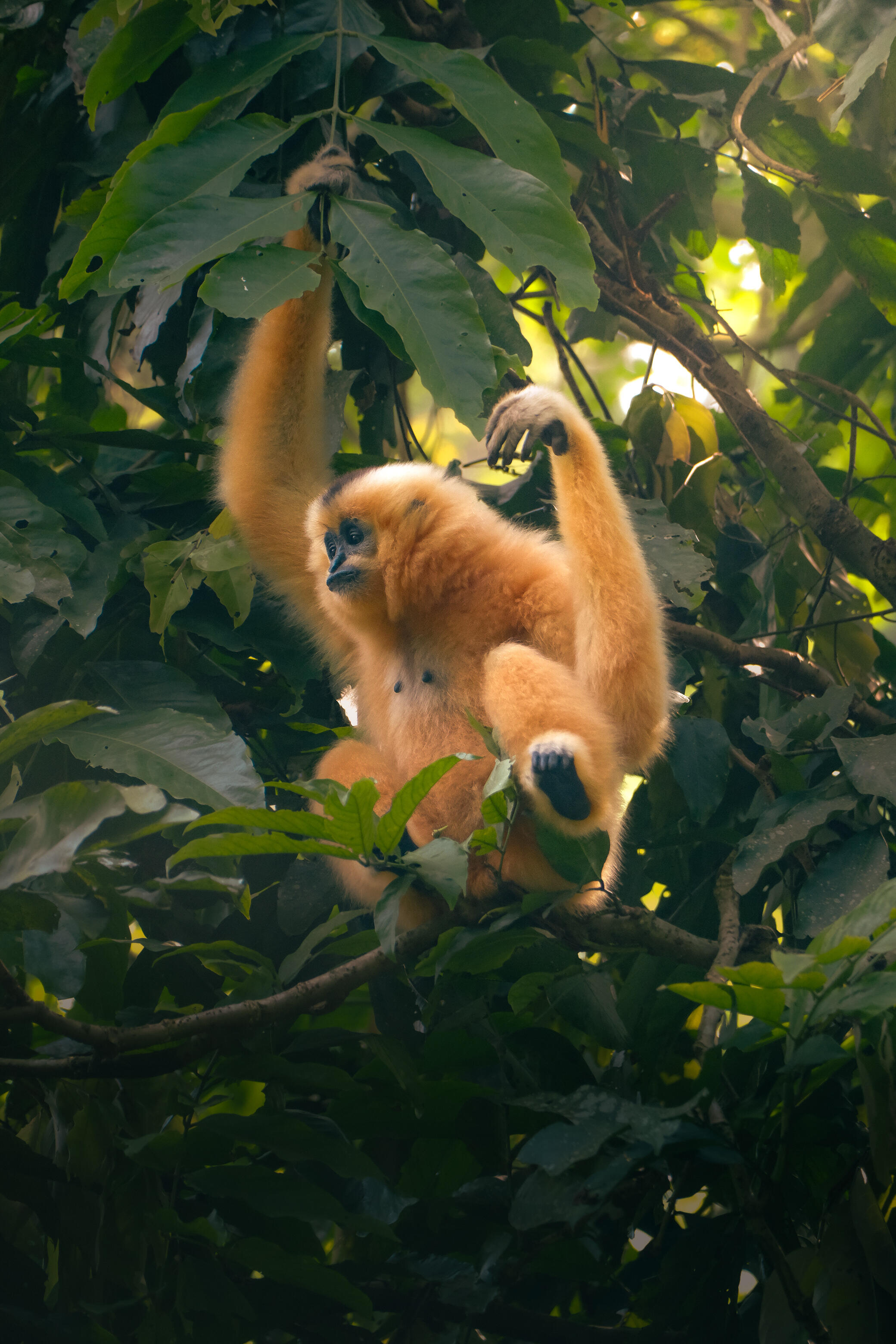
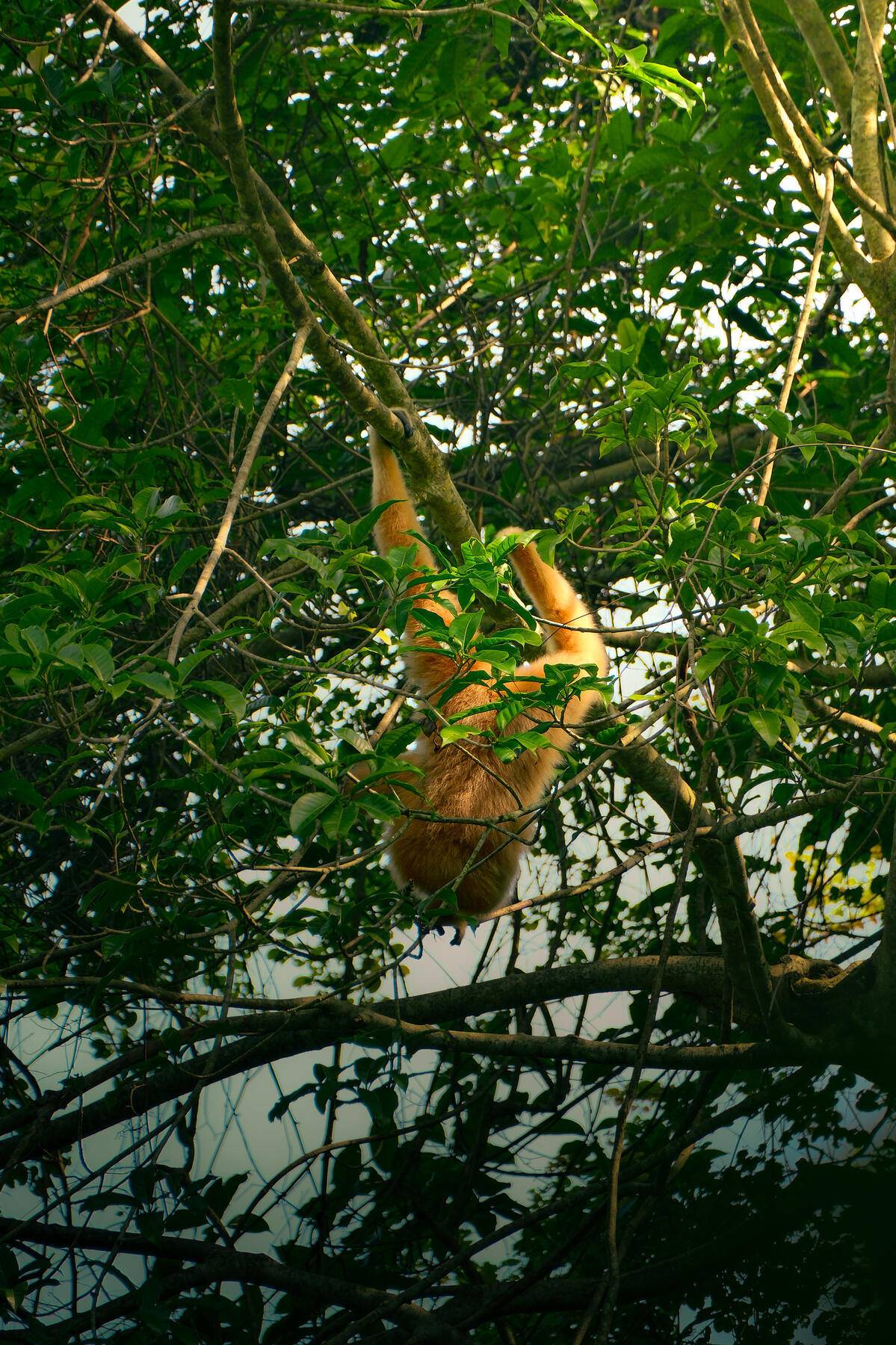
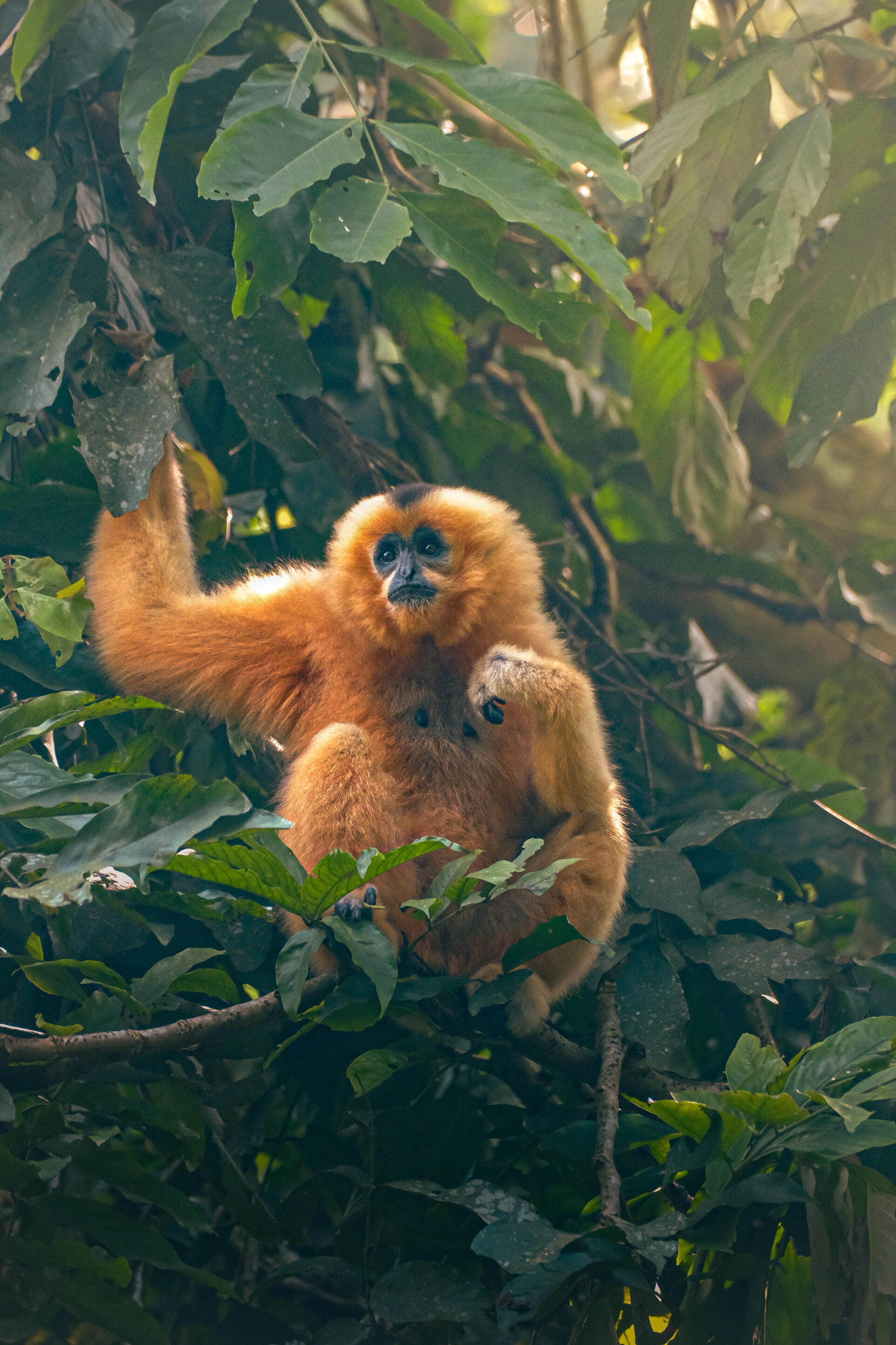
Yellow-Cheeked Gibbon
Captured in Vietnam • Rescue Centre
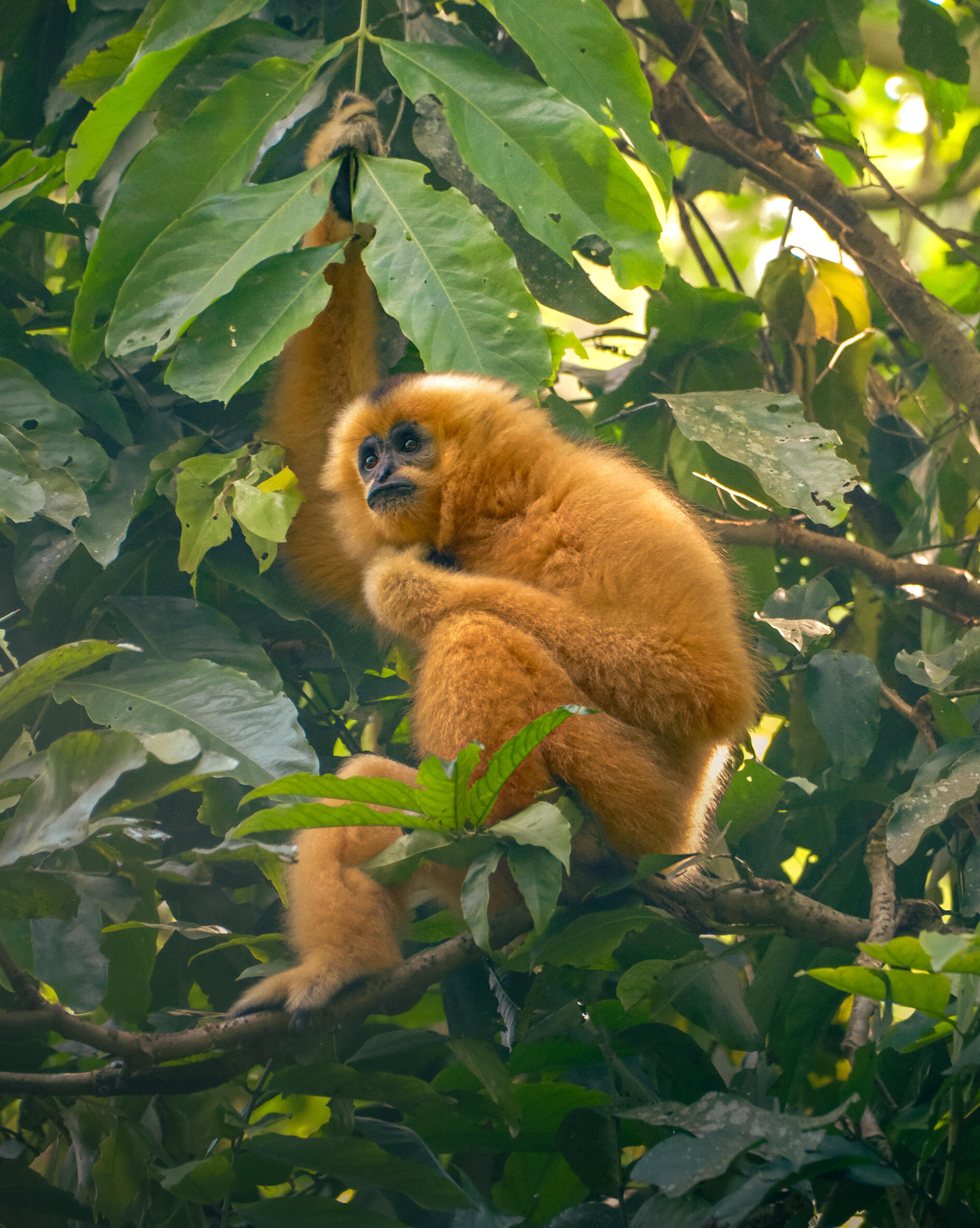
Range:
Cambodia, Laos, and southern Vietnam
Conservation Status:
Crictally Endangered
Wild Population:
Believed to be fewer than 2,000 mature individuals in the wild
Captured at:
Cuc Phuong National Park, Ninh Bình, Vietnam
Filming Context:
Photographed at Primate Endangered Centre, in a large forested pre-release enclosure, where rescued gibbons are rehabilitated in a natural environment before being reintroduced to the wild
Description:
The Northern Yellow-Cheeked Gibbon is a critically endangered ape native to the forests of Cambodia, Laos, and southern Vietnam. Females are a striking golden-orange colour, while males are predominantly black. These agile primates are known for their haunting morning calls and their remarkable ability to swing effortlessly through the forest canopy
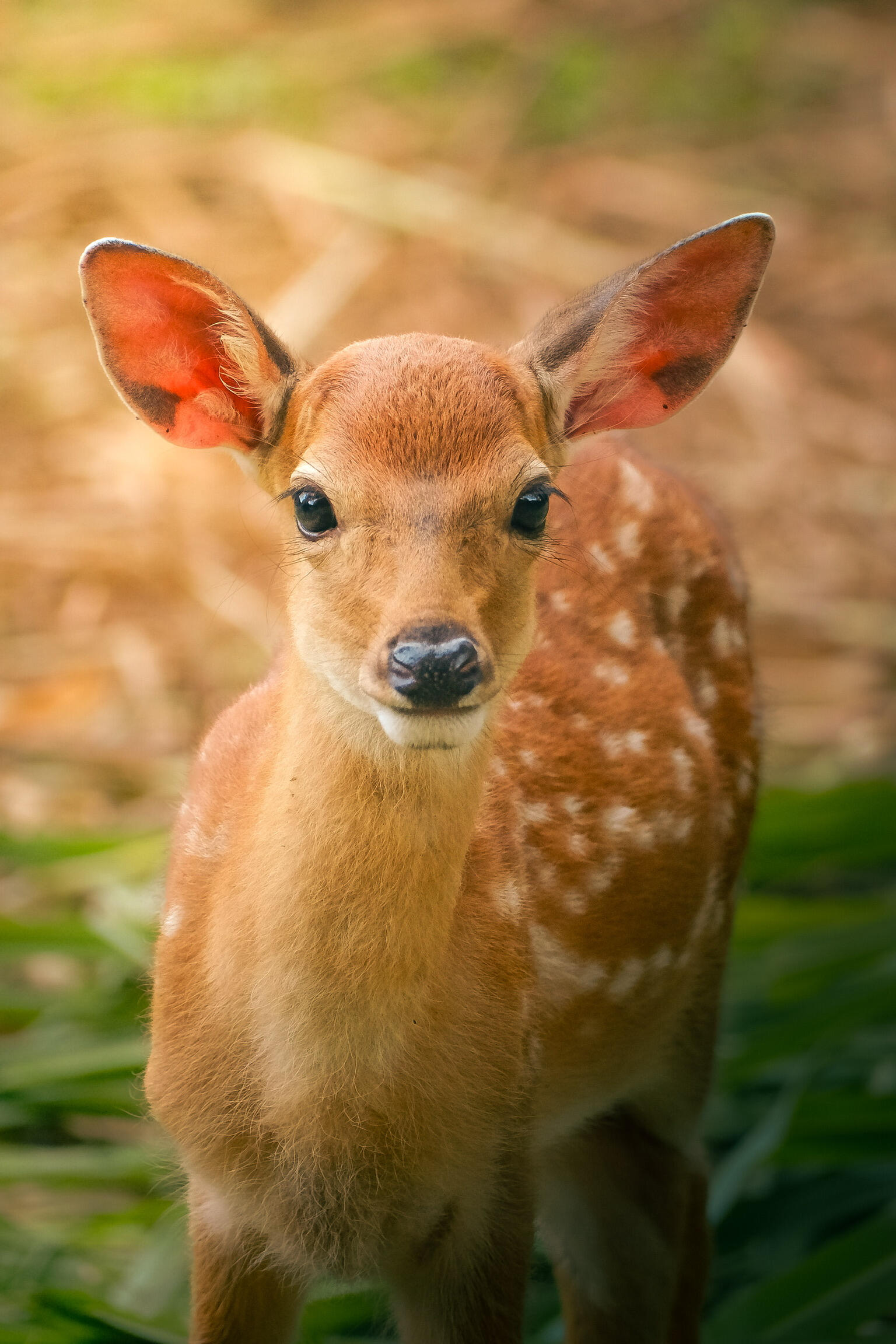
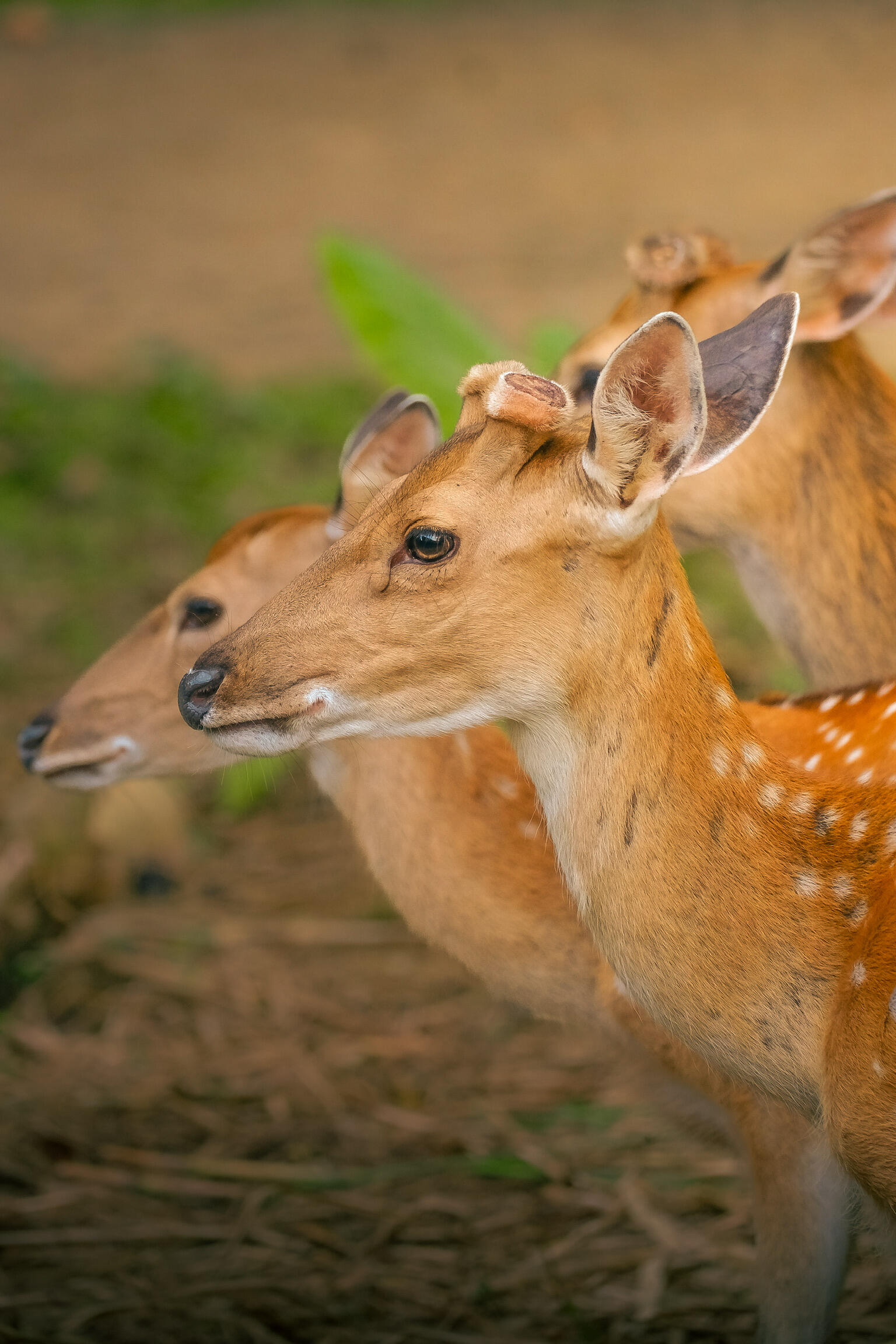
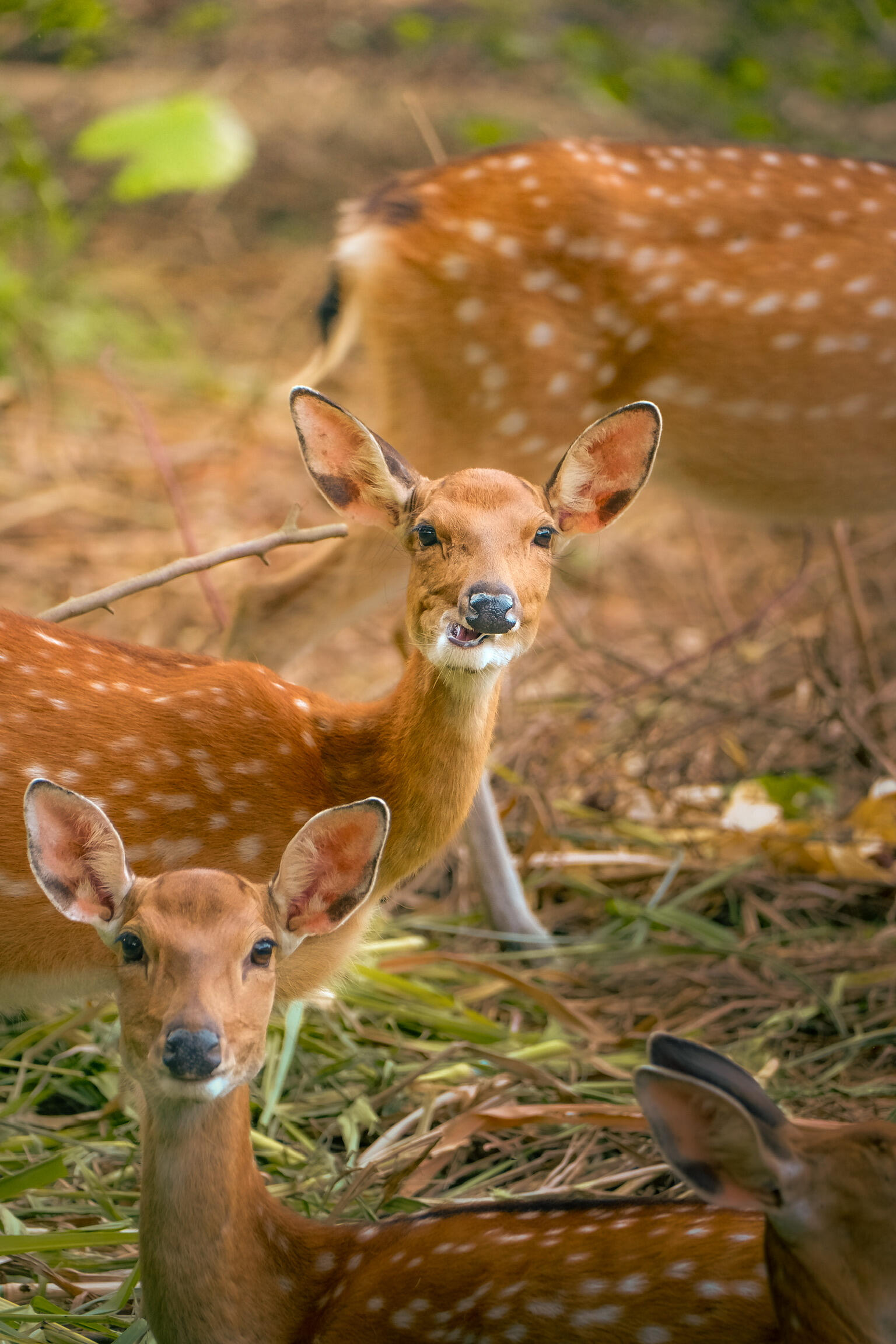
sambar deer
Captured in Vietnam • Rescue Center
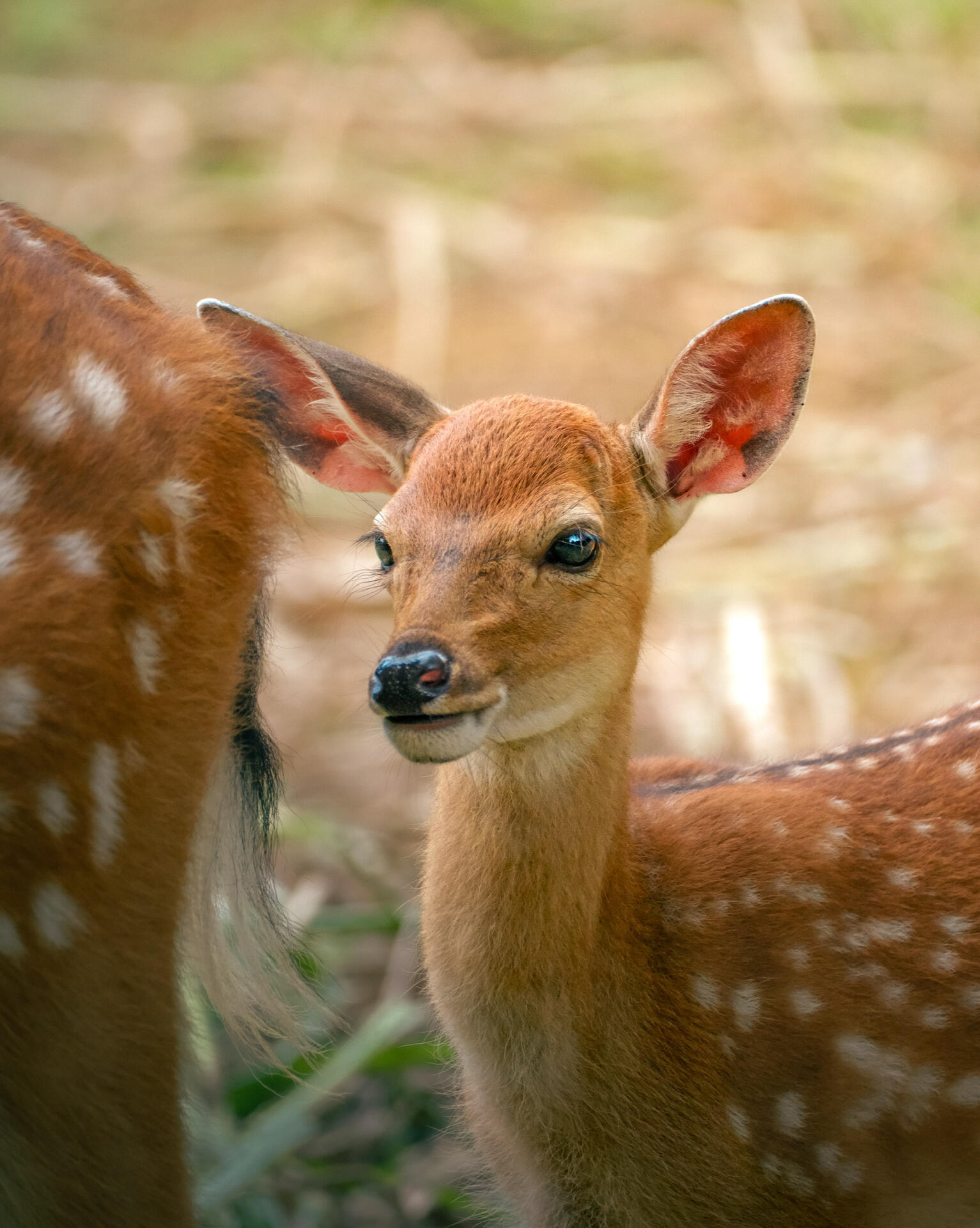
Range:
South and Southeast Asia
Conservation Status:
Vulnerable
Wild Population:
Widespread but declining; no reliable global population estimate is available
Captured at:
Cuc Phuong National Park, Ninh Binh, Vietnam
Filming Context:
Photographed roaming freely within the rescue centre grounds, where native wildlife is rehabilitated and prepared for release whenever possible
Description:
The Sambar Deer is one of Asia’s largest deer species, inhabiting forests and grasslands across South and Southeast Asia. Calves are born with white spots that gradually disappear as they mature. These deer play an important ecological role as major herbivores and as prey for predators such as tigers and leopards
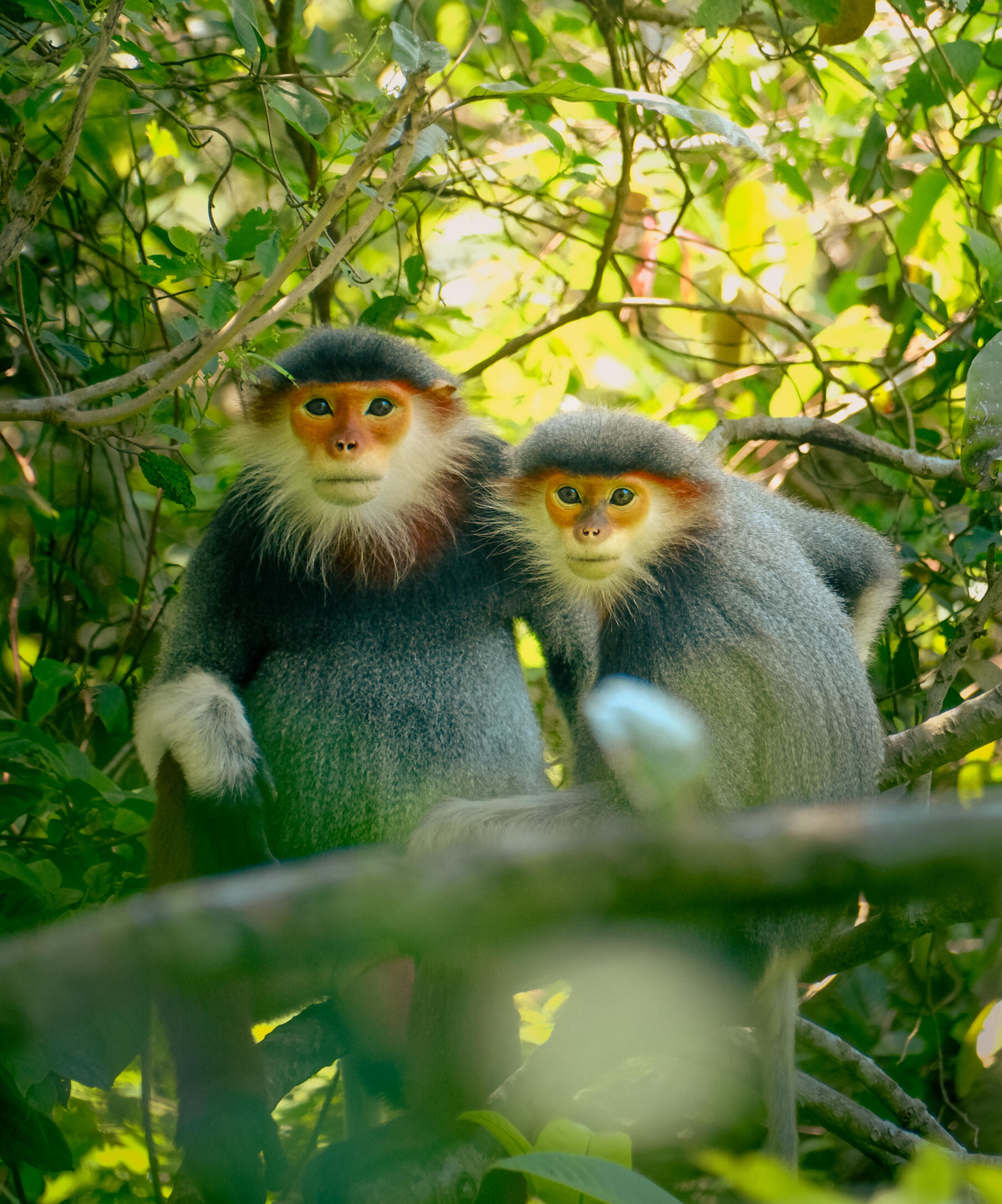
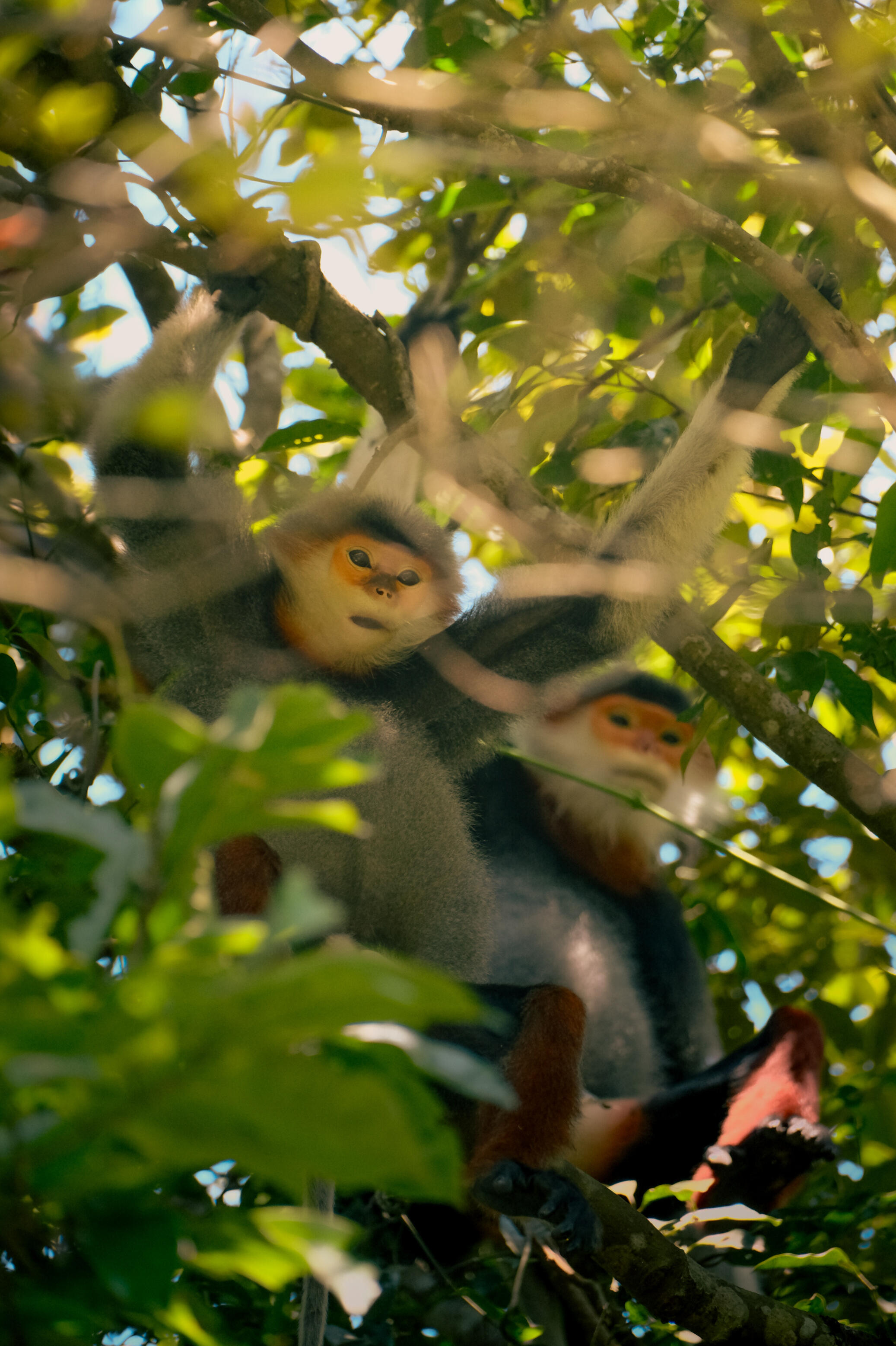
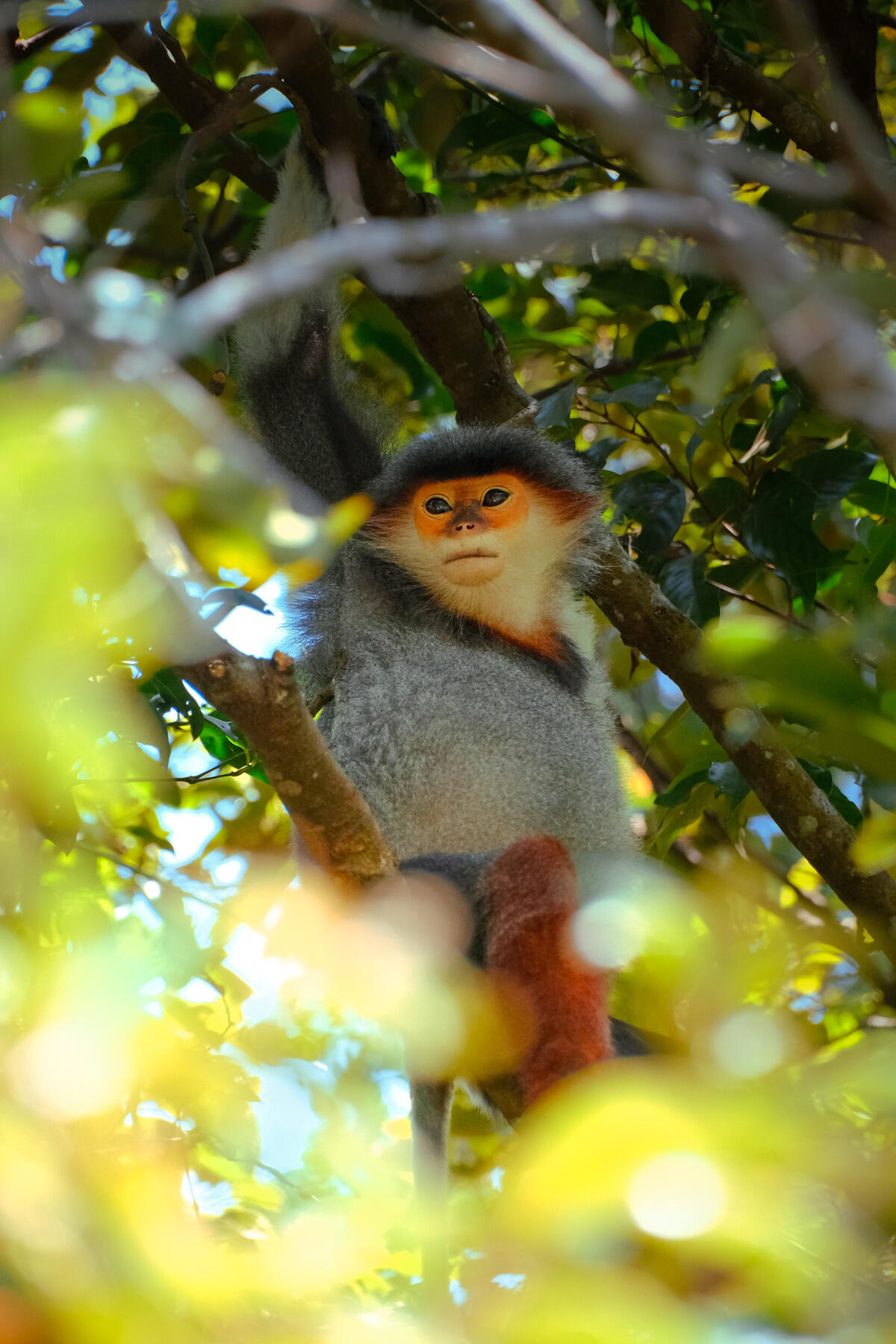
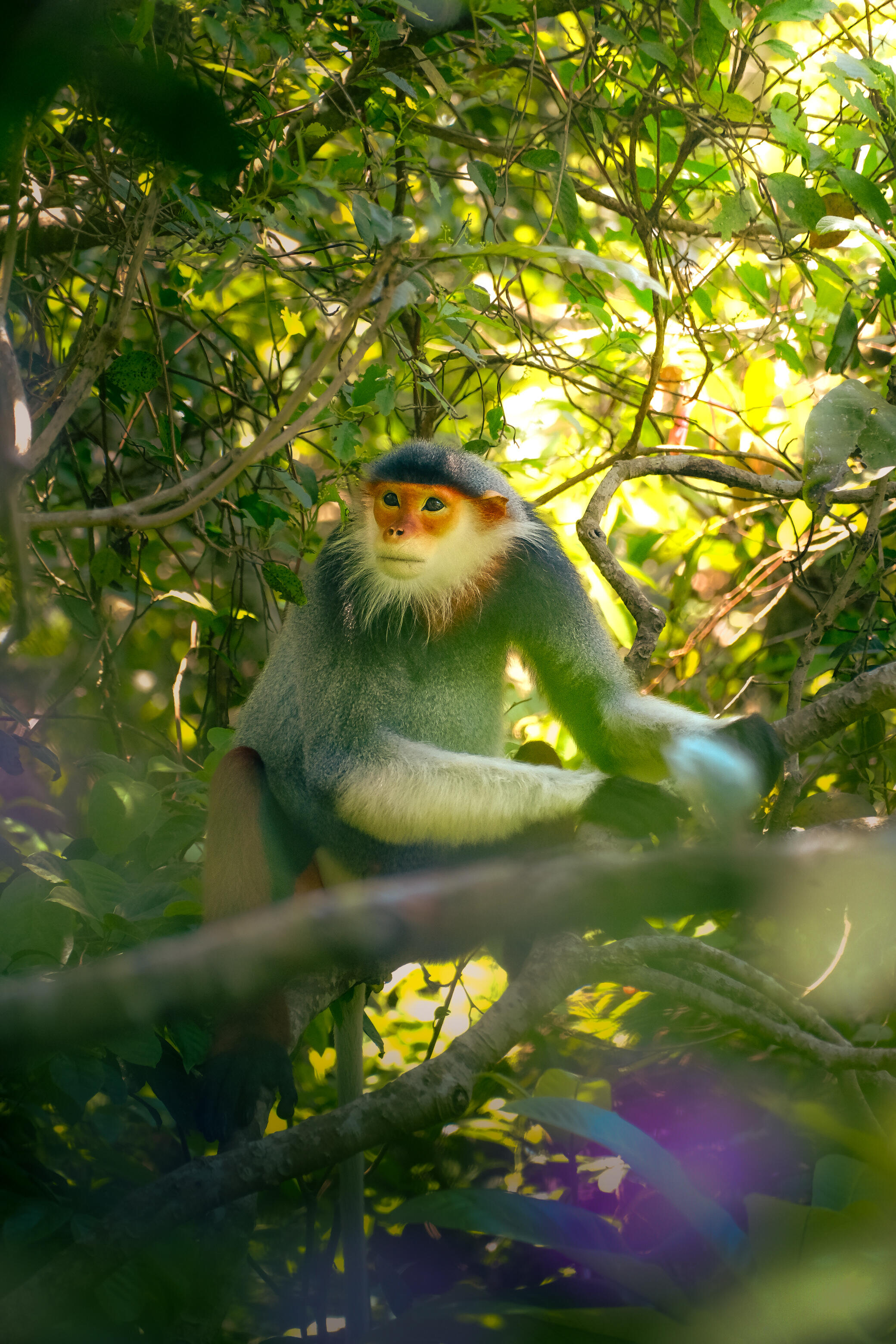
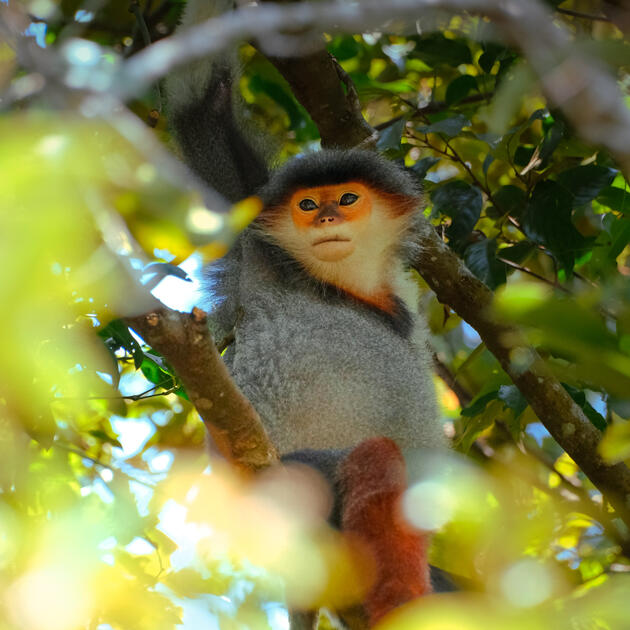
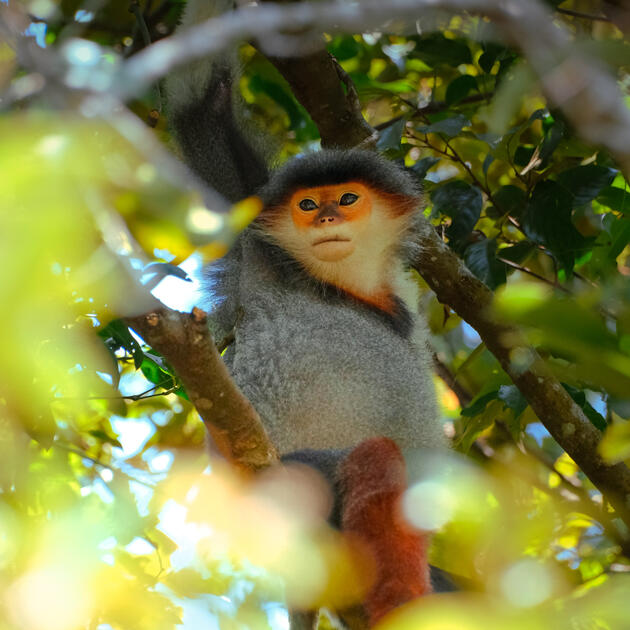
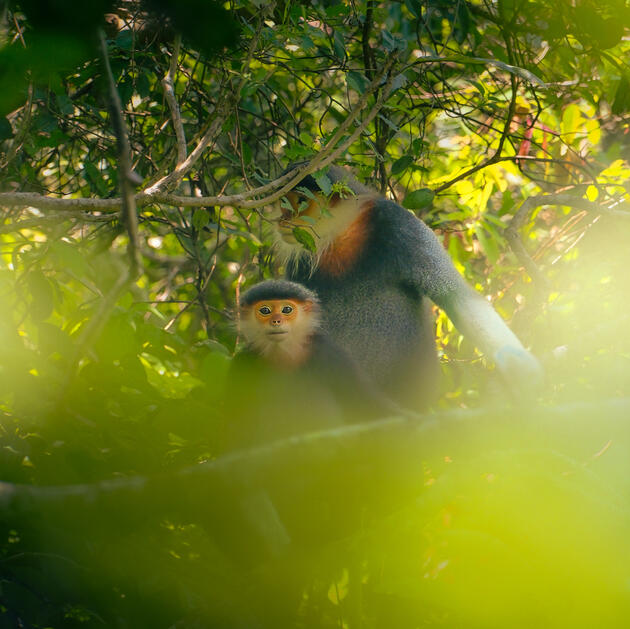
red-shanked douc langur
Captured in Vietnam • wild
Range:
Central Vietnam, southern Laos, and northeastern Cambodia
Conservation Status:
Endangered
Wild Population:
Estimated at fewer than 2,000 individuals in Vietnam, with global numbers continuing to decline
Captured at:
Son Tra Peninsula, Da Nang, Vietnam
Filming Context:
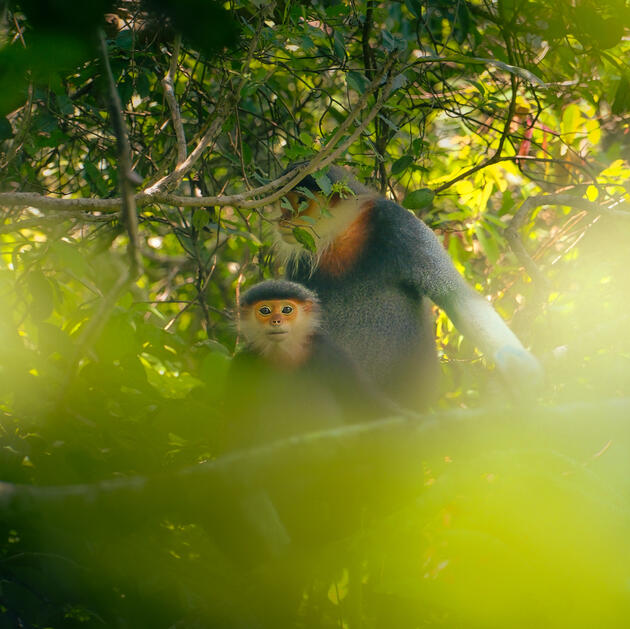
Photographed in the wild during a guided wildlife tour through Sơn Trà Nature Reserve, where a globally significant population survives within the protected coastal forest
Description:
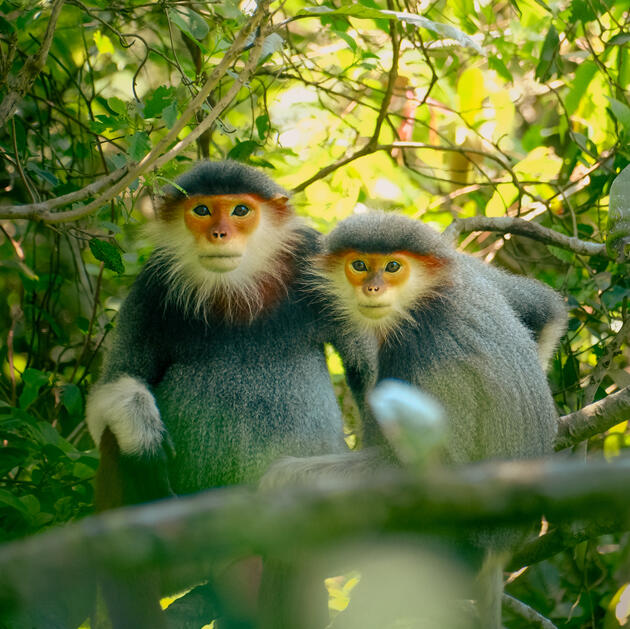
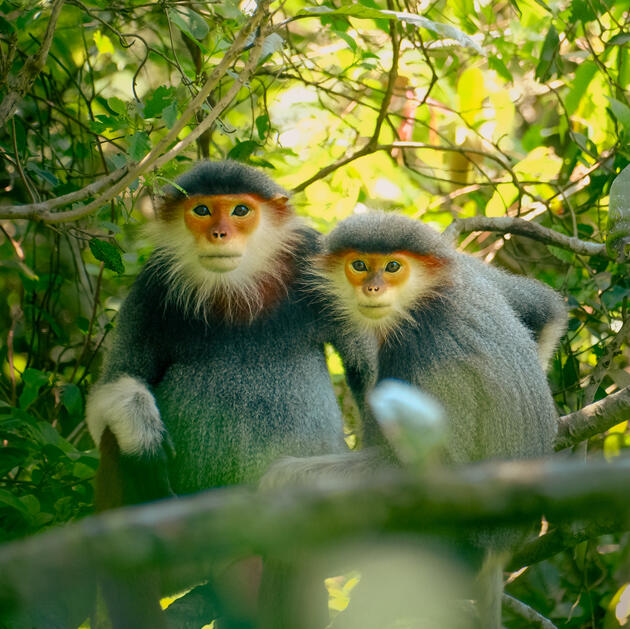
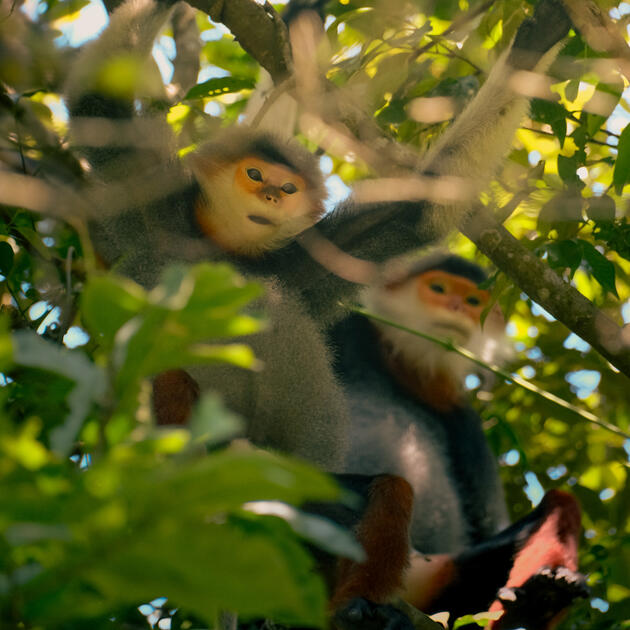
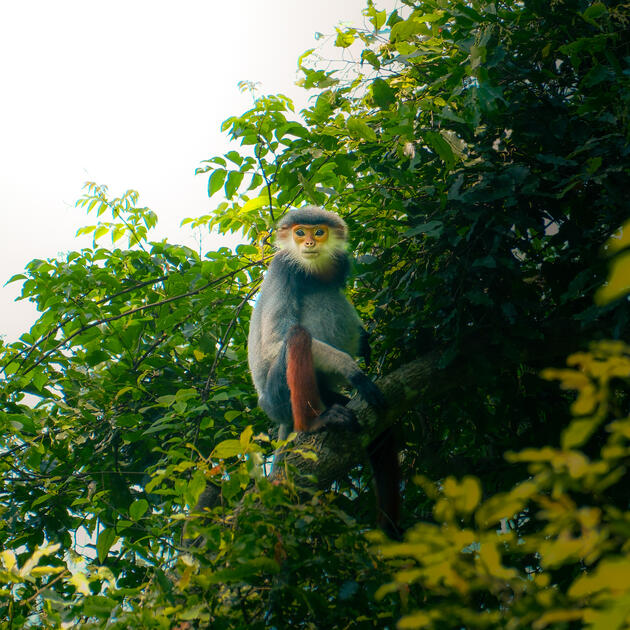
The Red-Shanked Douc Langur is one of the world’s most striking primates, celebrated for its vivid red legs, grey body, white forearms, and golden-orange face. Endemic to the forests of central Vietnam, Laos, and northeastern Cambodia, this arboreal leaf-eater spends nearly its entire life high in the canopy, moving gracefully through the trees in small social groups. As a specialist browser, it plays an important role in maintaining the health and diversity of tropical forests
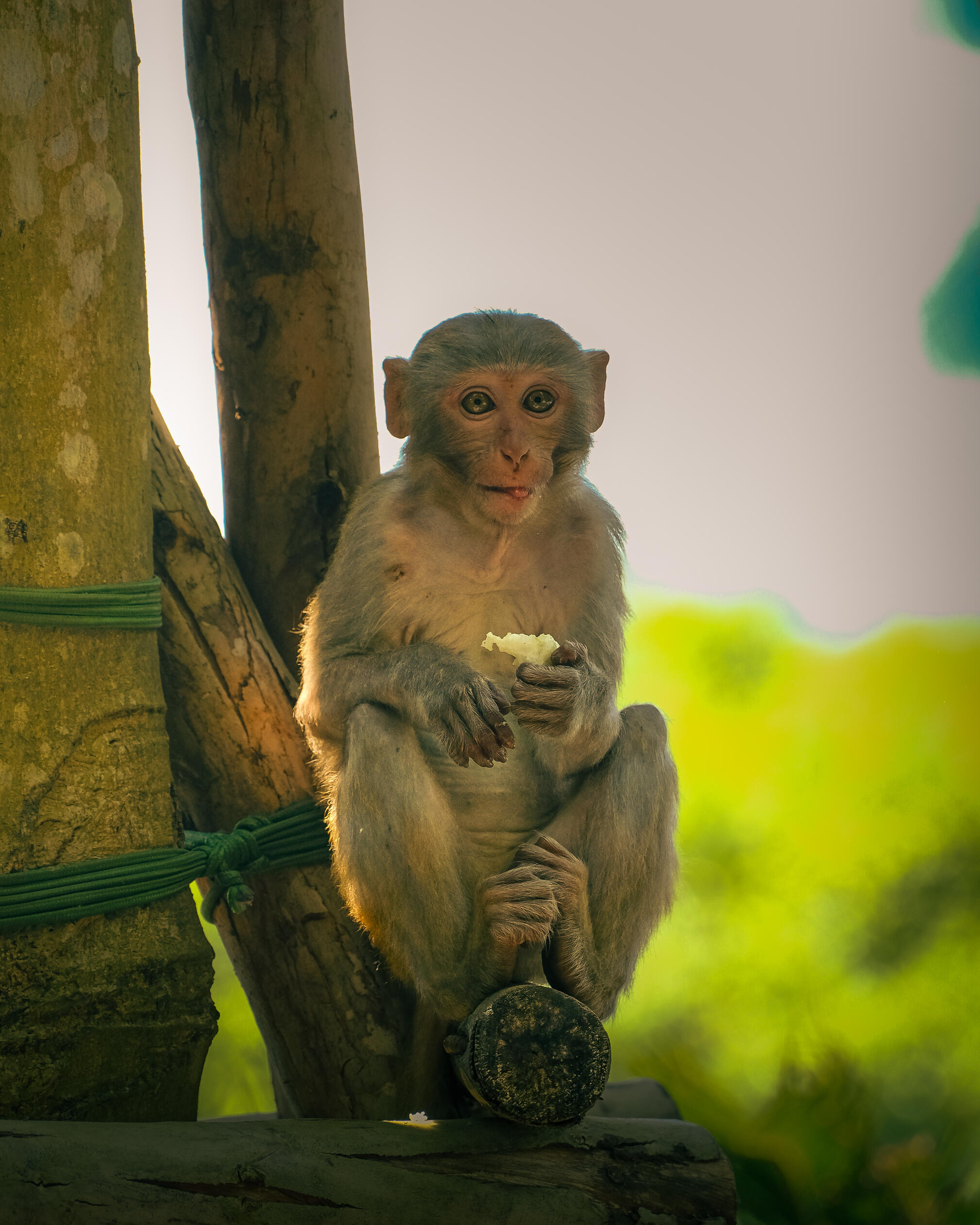
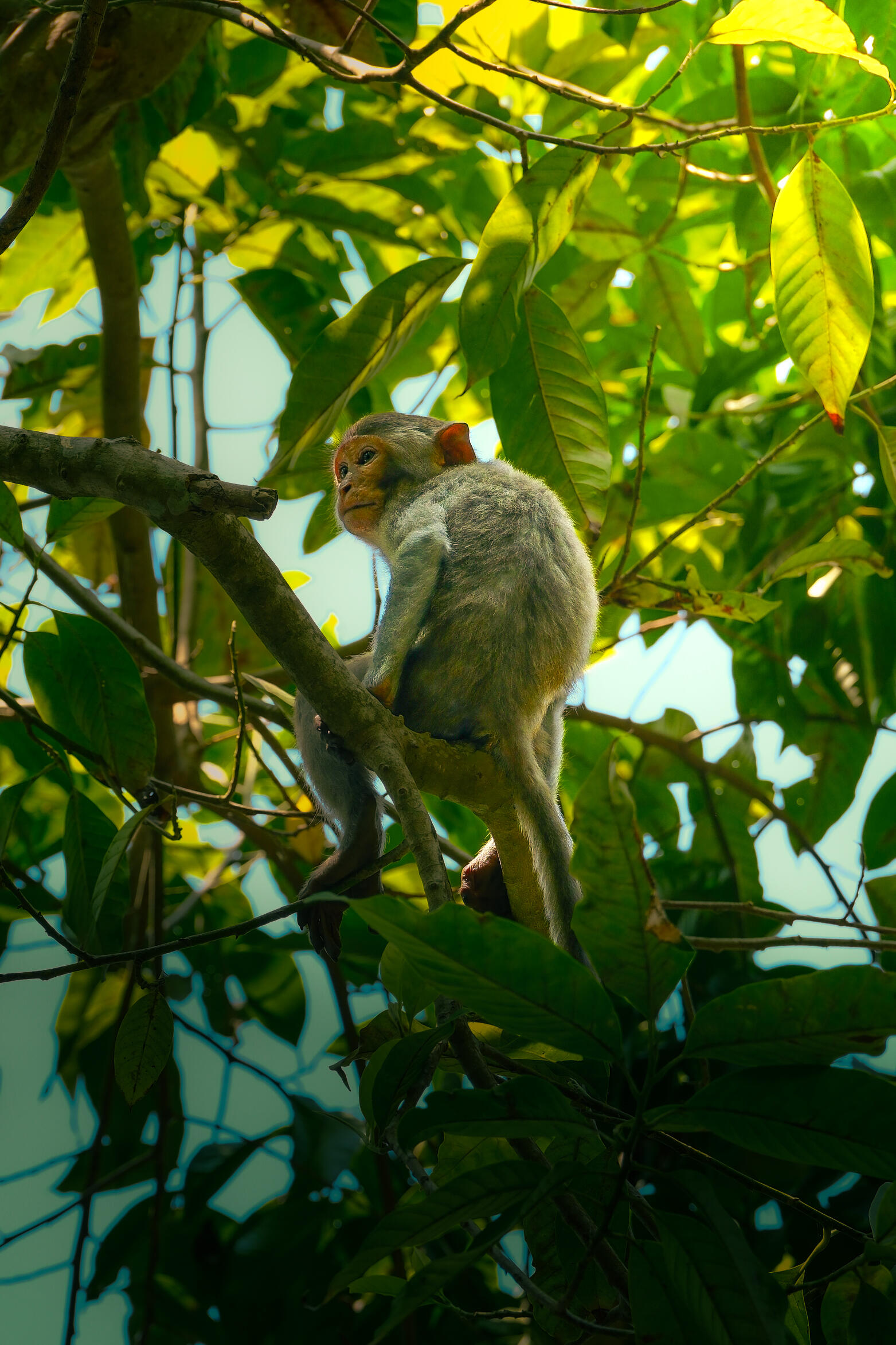
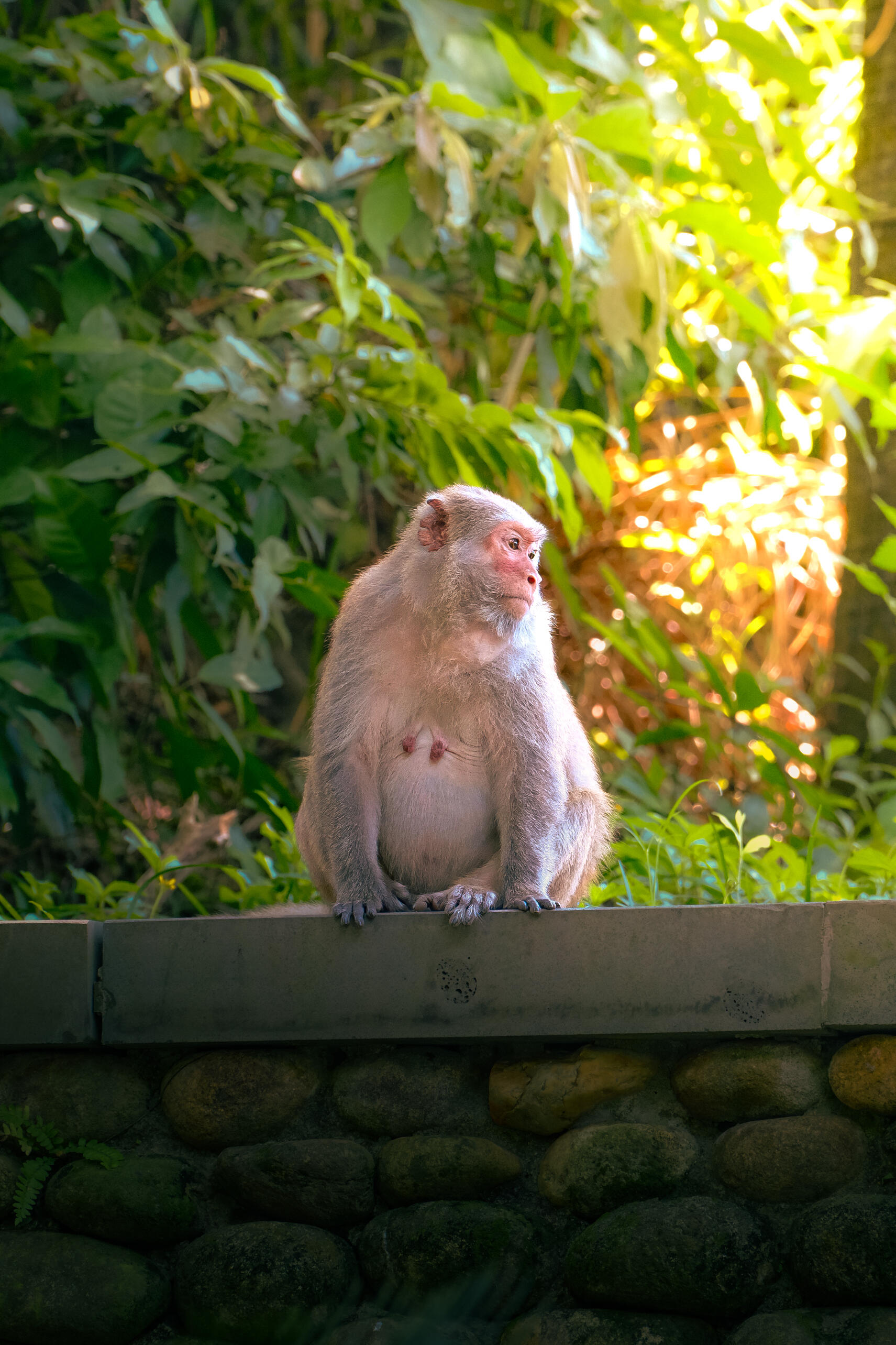
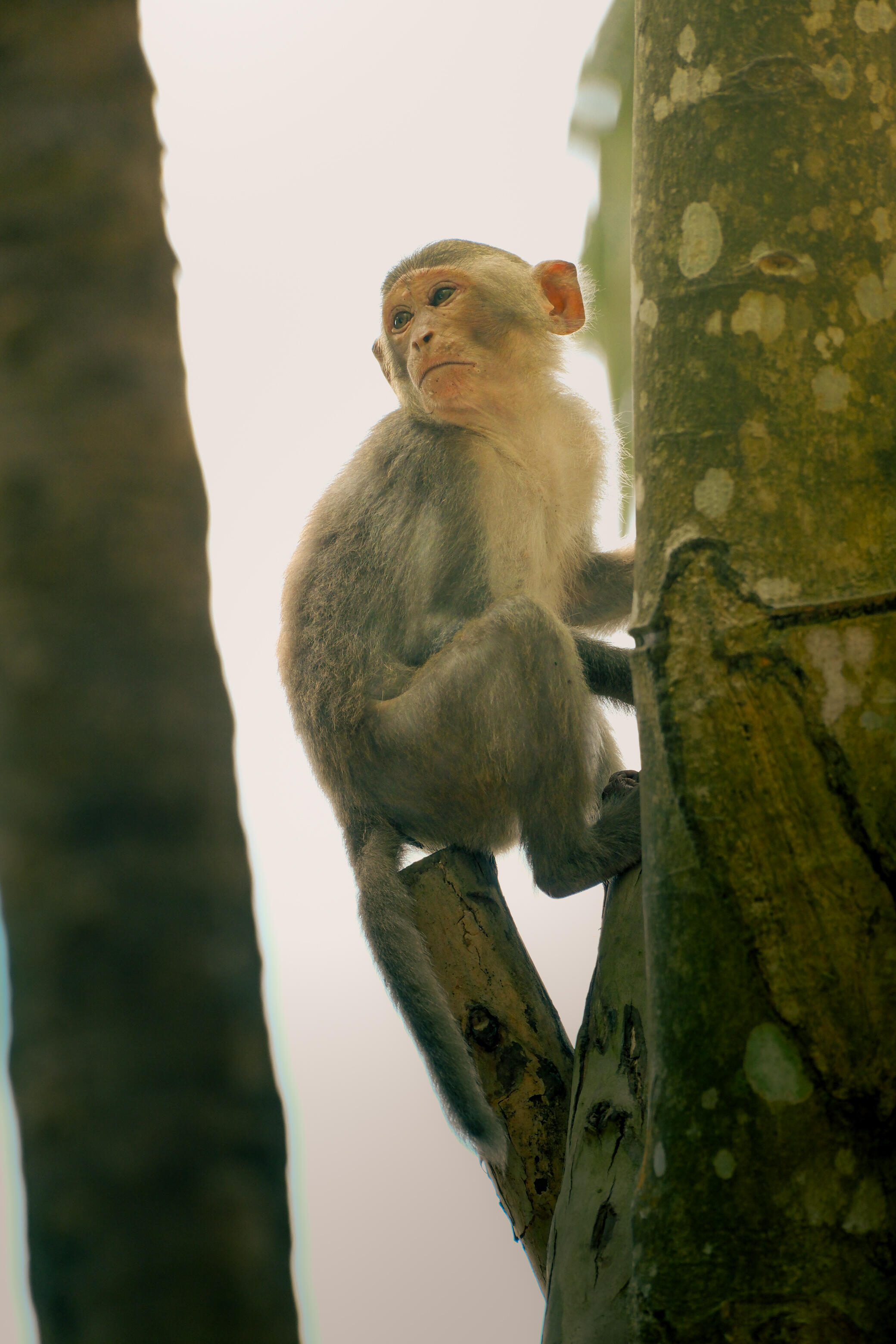
Indochine rhesus macaque
Captured in Vietnam • wild
Range:
Thailand, Myanmar, Laos, Cambodia, Vietnam, and China
Conservation Status:
Least Concern
Wild Population:
Widespread and locally common across much of its range; no precise global population estimate is available
Captured at:
Son Tra Peninsula, Da Nang, Vietnam
Filming Context:
Photographed in the wild on Sơn Trà Peninsula, where several troops roam freely through the coastal forest and nearby viewpoints. These images were captured responsibly from a respectful distance during a wildlife tour
Description:
The Indochinese Rhesus Macaque is a regional subspecies of the rhesus macaque, widely distributed across mainland Southeast Asia. Highly intelligent and adaptable, these social primates live in multi-generational groups and thrive in a variety of habitats, from dense forests to coastal reserves. Their opportunistic nature has helped them persist in changing landscapes, although habitat loss and conflict with humans remain growing concerns in some areas
Partners in Focus
UGC content creators
Travel | Hotel | Wildlife
our projects
Shot on the Fujifilm X-S20 with 15-45mm and 70-300mm lenses, our wildlife content captures real moments in the wild and within ethical sanctuaries. We are committed to responsible, non-invasive photography that respects animals, protects habitats, and promotes conscious travel.
Photography


Project overview
Location
Tam coc, Ninh Binh
Project type
Hotel Content Creation
Deliverables
20 Photos
5 Short Videos
overview
A five night collaboration focused on capturing the property's peaceful garden setting, bungalow interiors, pool, and surrounding limestone landscapes for use across social media, booking platforms, and marketing materials
content purpose
Social Media, Website, Booking Platforms, and Promotional use
Photography


Project overview
Location
Da Nang
Project type
Hotel Content Creation
Deliverables
20 Photos
5 Short Videos
overview
A five night collaboration focused on capturing the property's calm workspace, luxury rooms, facilities and rooftop pool for use across social media, booking platforms, and marketing materials
content purpose
Social Media, Website, Booking Platforms, and Promotional use
Photography


Project overview
Location
Hoi An, Vietnam
Project type
Hotel Content Creation
Deliverables
20 Photos
5 Short Videos
overview
A five night collaboration focused on capturing the property's peaceful garden setting, bungalow interiors, pool, and surrounding limestone landscapes for use across social media, booking platforms, and marketing materials
content purpose
Social Media, Website, Booking Platforms, and Promotional use
Photography


Project overview
Location
Da Nang
Project type
Hotel Content Creation
Deliverables
20 Photos
5 Short Videos
overview
A five night collaboration focused on capturing the property's calm workspace, luxury rooms, facilities and rooftop pool for use across social media, booking platforms, and marketing materials
content purpose
Social Media, Website, Booking Platforms, and Promotional use
Photography
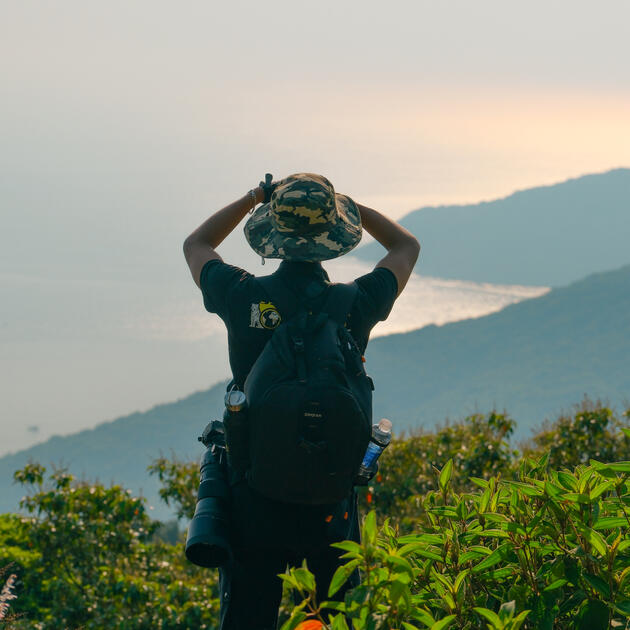
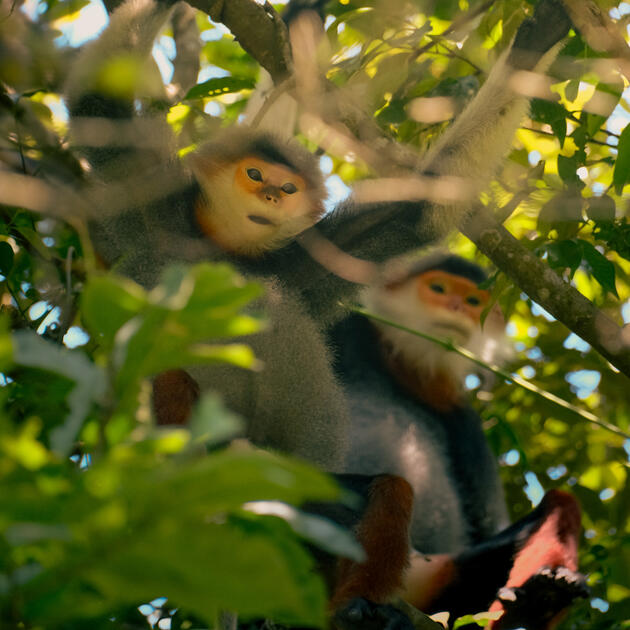
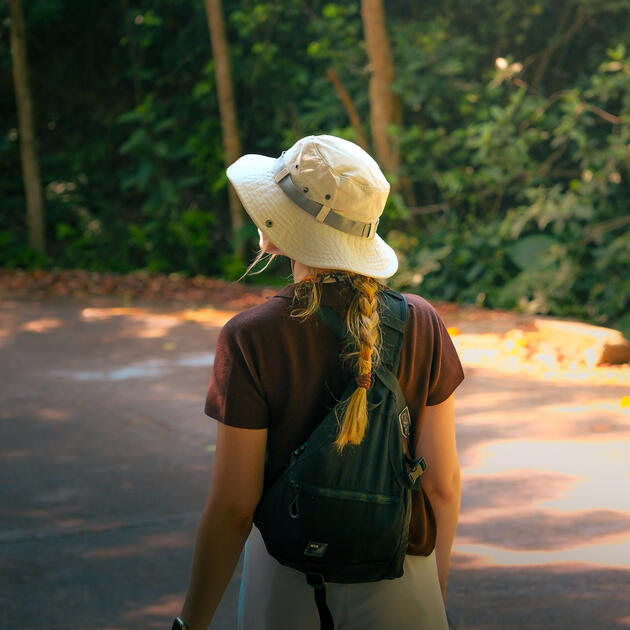
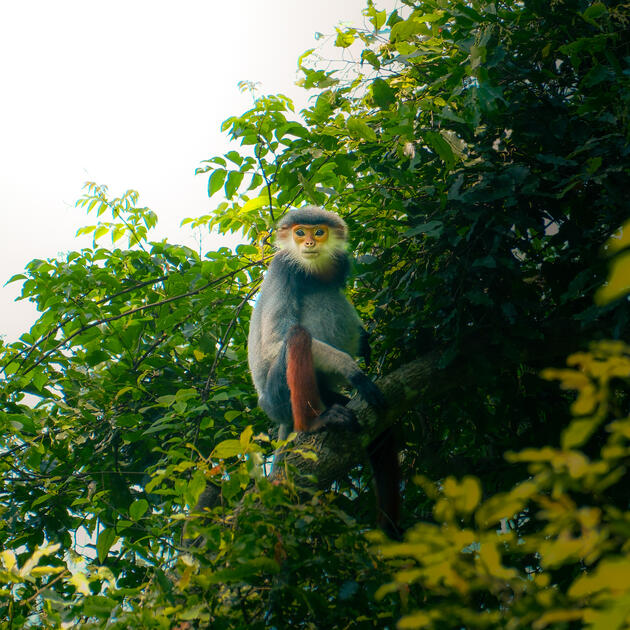
Project overview
Location
Son Tra, Da Nang
Project type
Red-shanked Douc Langur Half-day Tour
Deliverables
30 Photos
15 Short Videos
overview
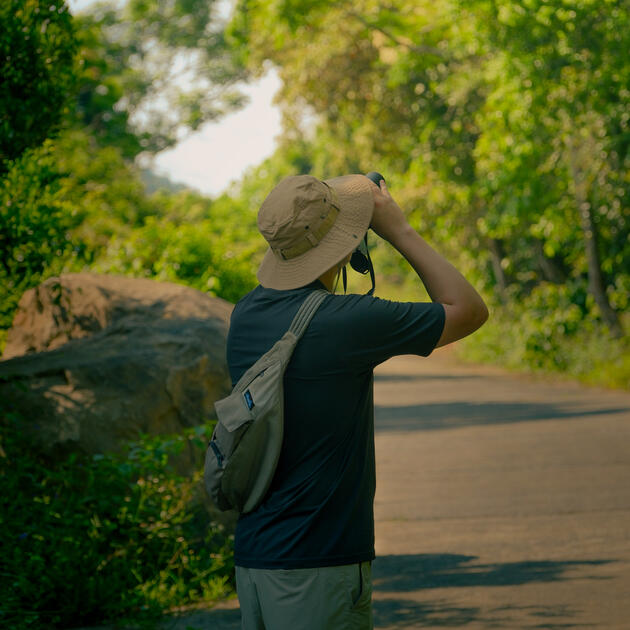
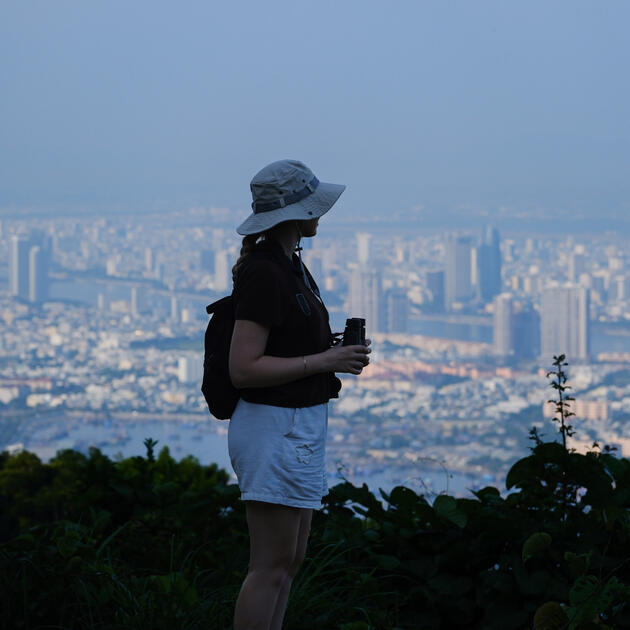
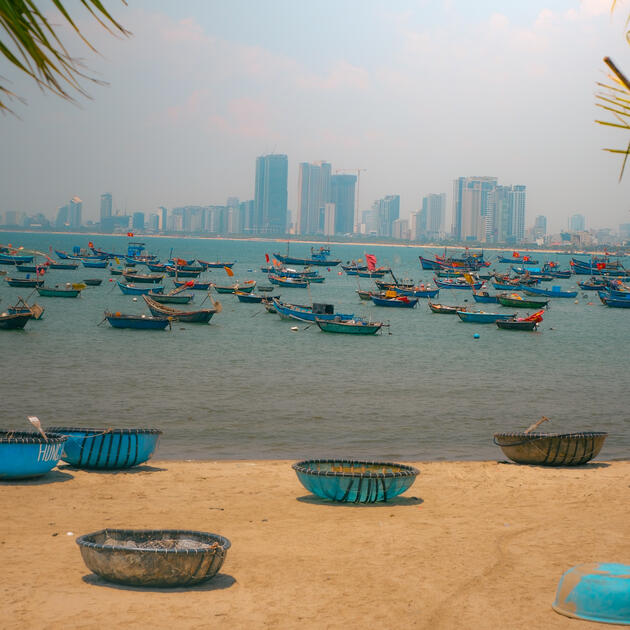
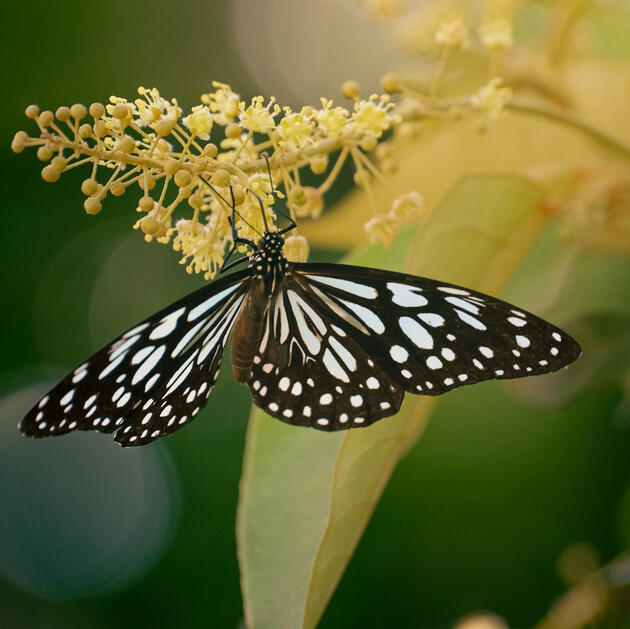
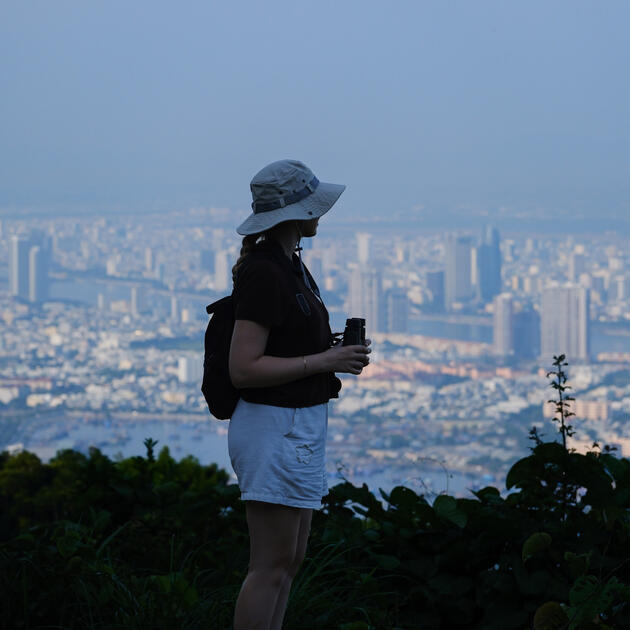
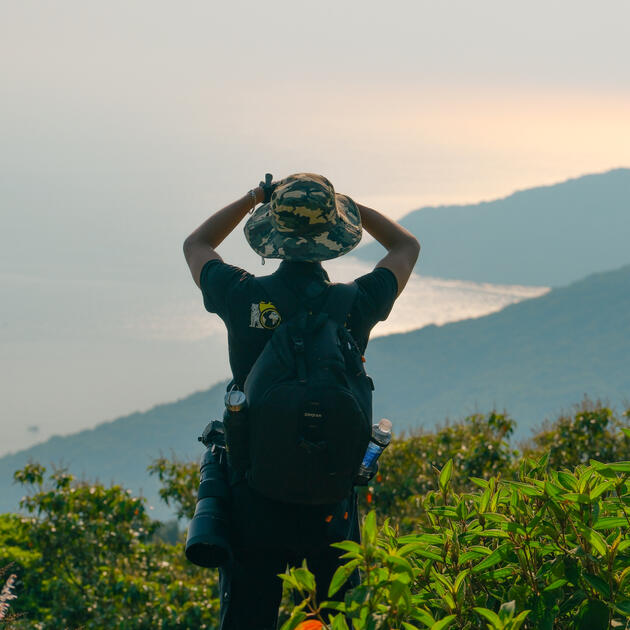
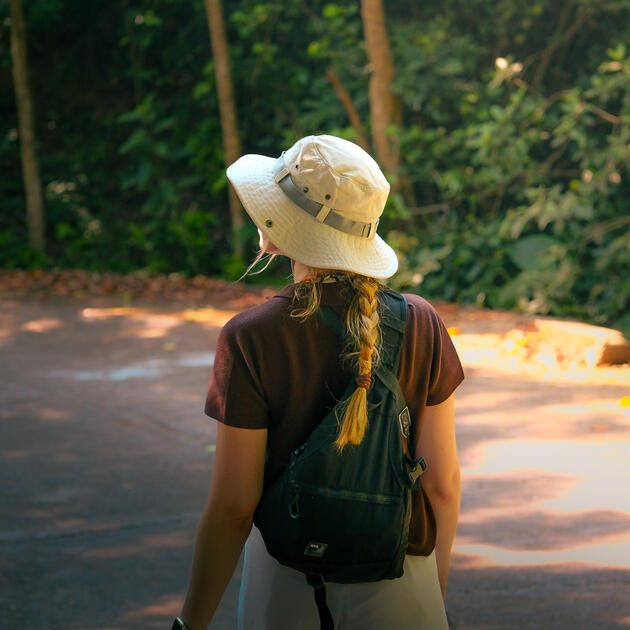
A five-hour wildlife tour through Sơn Trà Nature Reserve, combining scenic drives and short treks to locate and photograph the endangered red-shanked douc langur in its natural forest habitat.
content purpose
Social Media, Website, Booking Platforms, and Promotional use
Photography


Project overview
Location
Krabi
Project type
Elephant Sanctuary Conservations Tour
Deliverables
20 Photos
5 Short Videos
overview
A half day tour at Following Giants, spent learning about and observing the elephants they have rescued.
content purpose
Social Media, Website, Booking Platforms, and Promotional use
Photography
Project overview
Location
Son Tra, Da Nang
Project type
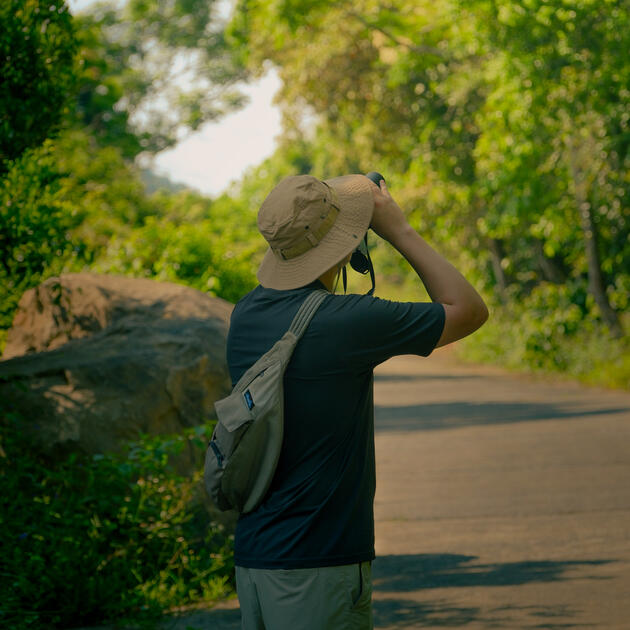
Red-shanked Douc Langur Half-day Tour
Deliverables
30 Photos
15 Short Videos
overview
A five-hour wildlife tour through Sơn Trà Nature Reserve, combining scenic drives and short treks to locate and photograph the endangered red-shanked douc langur in its natural forest habitat.
content purpose
Social Media, Website, Booking Platforms, and Promotional use
Photography


Project overview
Location
Krabi
Project type
Elephant Sanctuary Conservations Tour
Deliverables
20 Photos
5 Short Videos
overview
A half day tour at Following Giants, spent learning about and observing the elephants they have rescued.
content purpose
Social Media, Website, Booking Platforms, and Promotional use